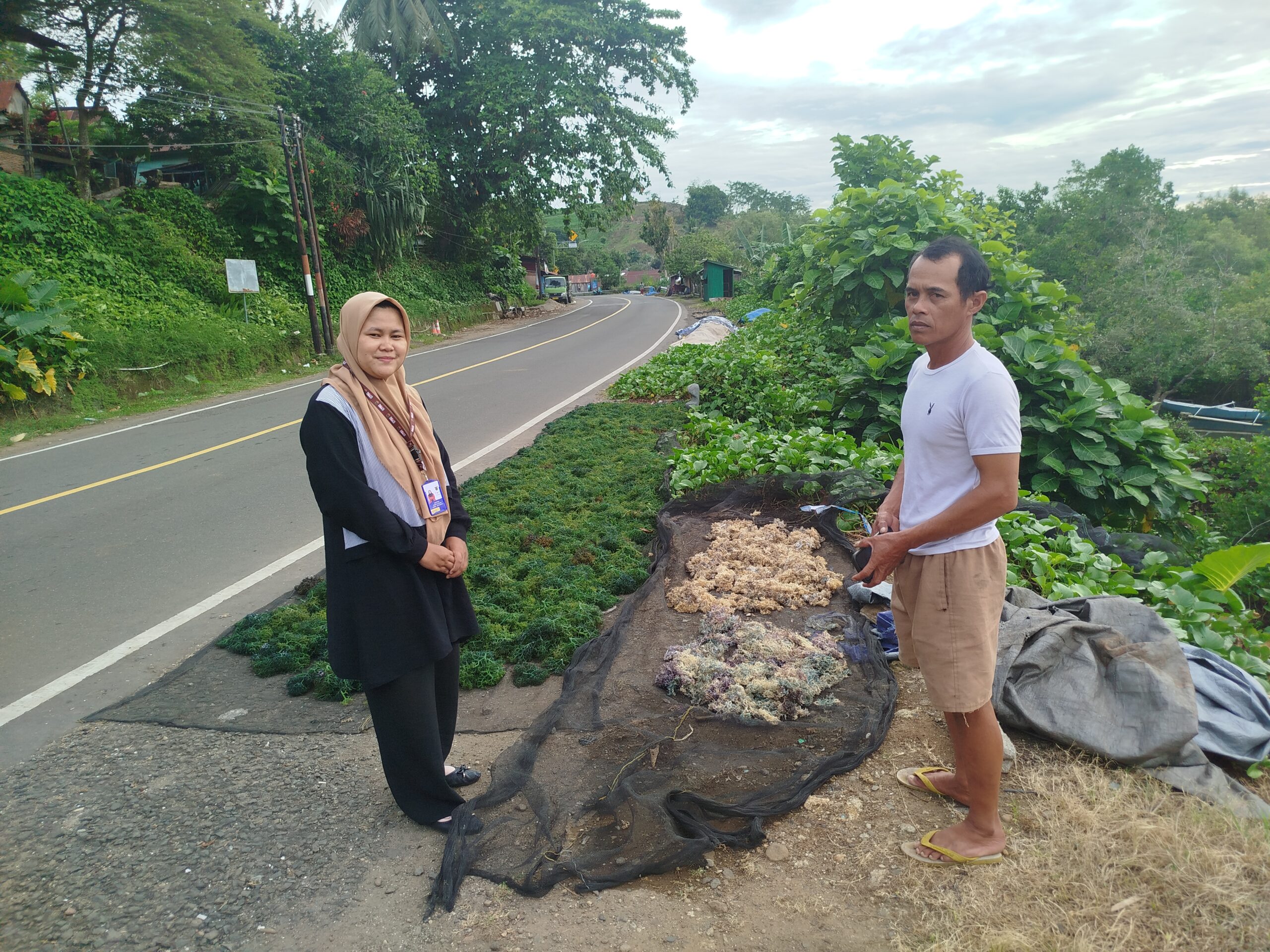
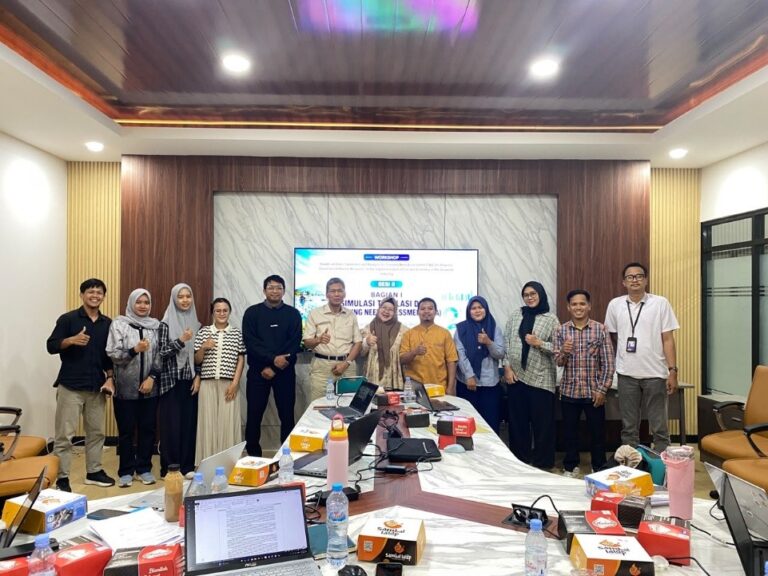
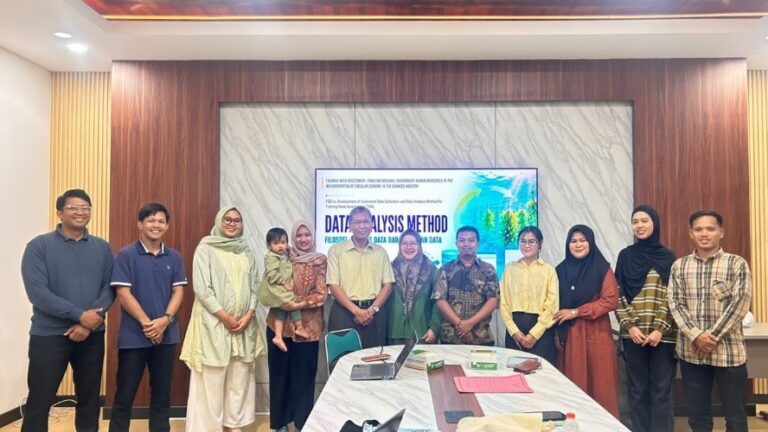
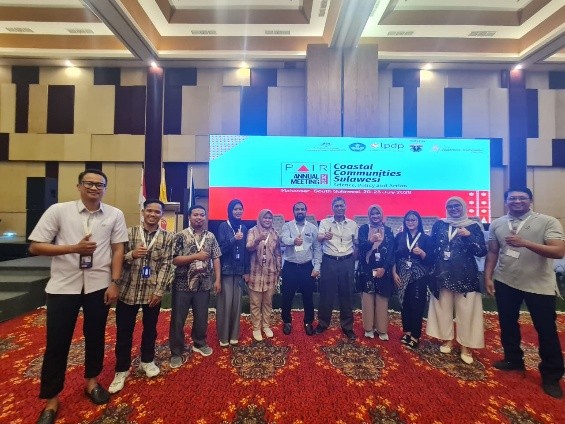
Mamuju, Indonesia — A PAIR Program field visit in Mamuju Regency, West Sulawesi, was conducted on April 19, 2026 as part of a series of discussions and interviews aimed at understanding community conditions, policies, institutional roles, and inter-agency linkages in supporting community empowerment through seaweed farming. The activity involved five participants and represented an important step toward developing a direct understanding of the relationship among coastal communities, farming activities, environmental conditions, and institutional support. The field visit provided an opportunity for participants to explore seaweed development from the perspective of local communities. As an important coastal economic activity, seaweed farming does not operate in isolation. It is connected to environmental conditions, access to information, community capacity, markets, institutions, and regional development policies. Understanding these local dimensions is therefore essential for gaining a more comprehensive perspective on community needs and development opportunities.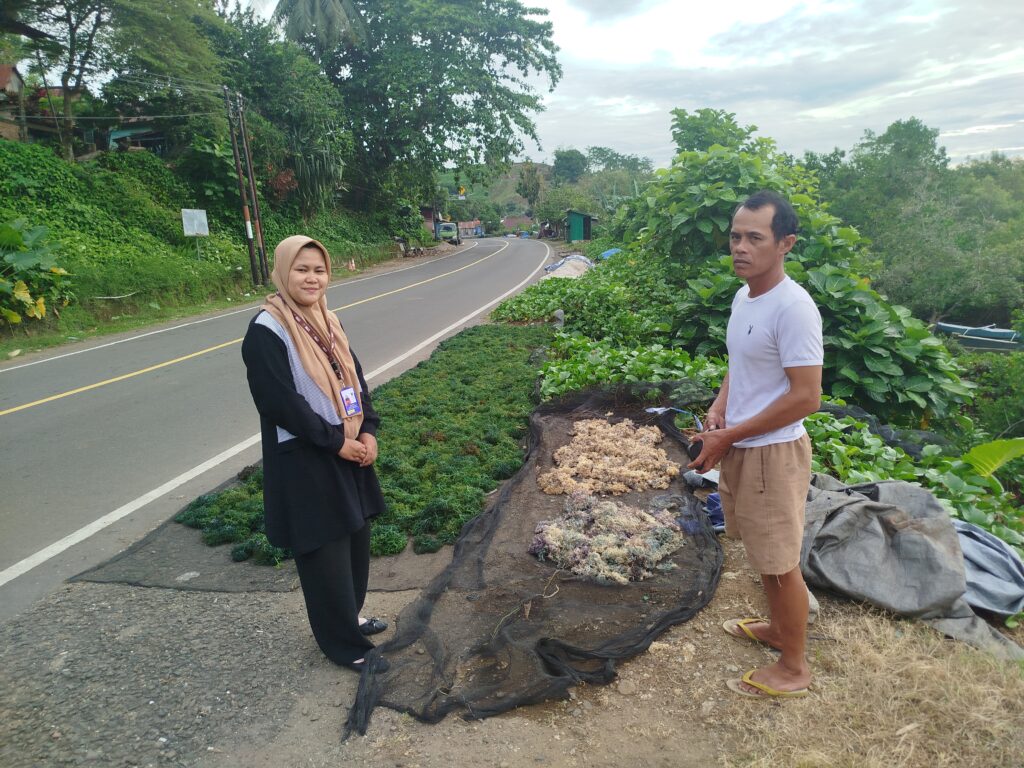 Through direct interaction and interviews, participants explored community experiences and perspectives regarding seaweed farming and the factors influencing its continuity. These conversations provided an opportunity to understand local challenges, support needs, and the importance of connections between farmers and various stakeholders involved in coastal development. This approach recognizes communities not merely as beneficiaries but also as important sources of knowledge for understanding local conditions. The activity was closely related to SDG 1 (No Poverty) because the sustainability of seaweed farming is connected to the livelihoods and economic resilience of coastal communities. Understanding community conditions directly can provide an important foundation for developing empowerment approaches that are better aligned with local needs and potential. The learning and knowledge-exchange dimension of the activity supported SDG 4 (Quality Education). Direct interaction with communities provided participants with a form of field-based learning that connected academic knowledge with local experiences. This process demonstrated that effective development requires contextual knowledge grounded in the realities of communities.
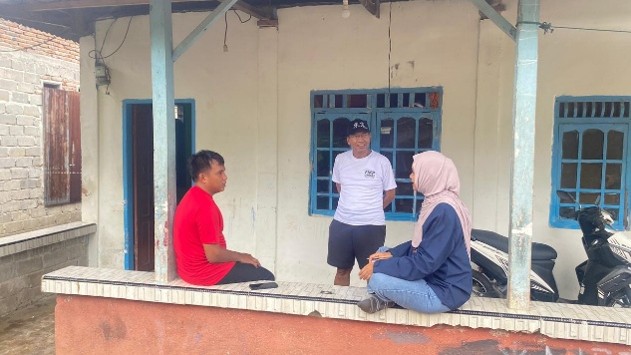 The activity was also relevant to SDG 14 (Life Below Water) because seaweed farming depends on the sustainability of coastal areas and marine resources. The development of community economic activities needs to progress alongside attention to environmental quality and responsible use of marine resources. Furthermore, the visit contributed to SDG 17 (Partnerships for the Goals) by strengthening communication among communities, the PAIR Program, government institutions, and other stakeholders. The exchange of perspectives represents an important step toward connecting community needs with policies, research, and institutional support. Overall, the PAIR Program field visit in Mamuju Regency demonstrated that effective community empowerment requires an understanding grounded in real field conditions. Listening to community experiences can strengthen the foundation for more responsive planning and policies while creating opportunities for collaboration in developing seaweed farming that supports both community welfare and the sustainability of coastal areas.