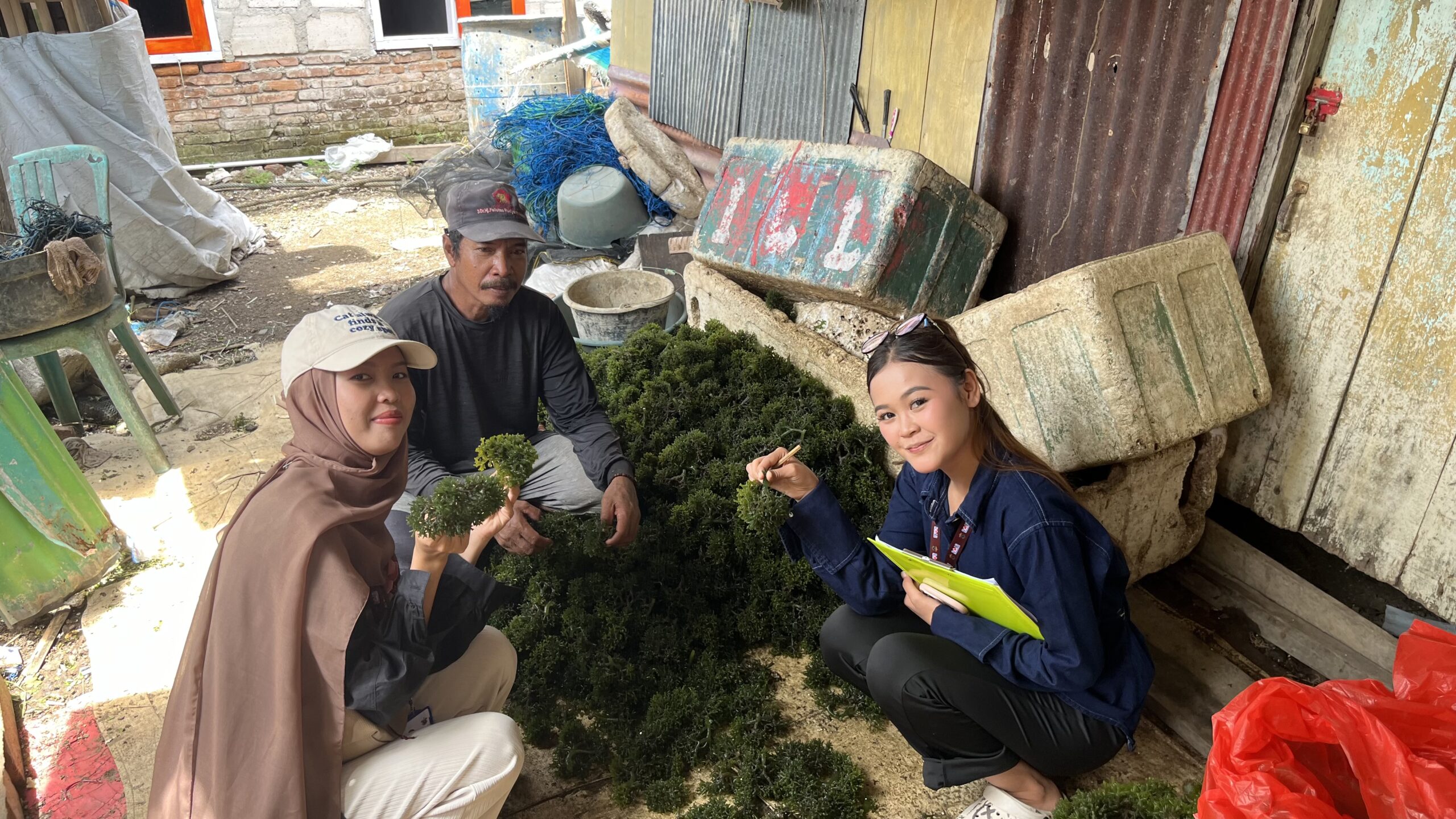
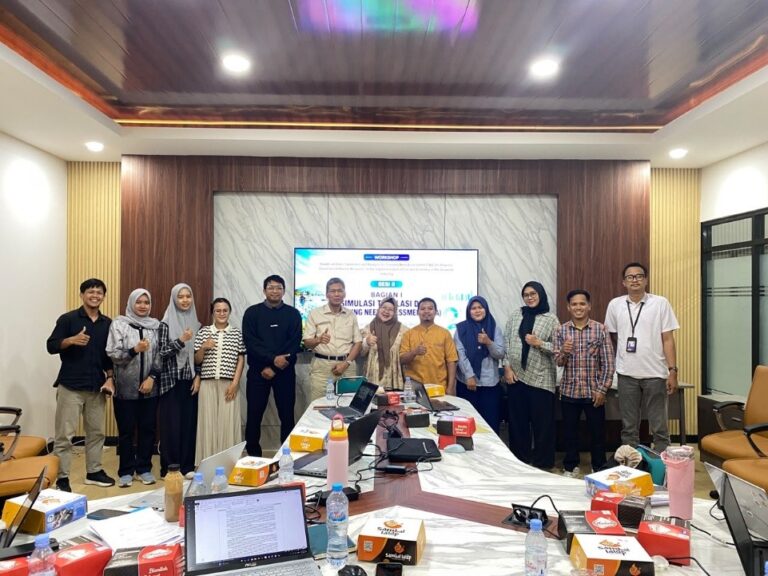
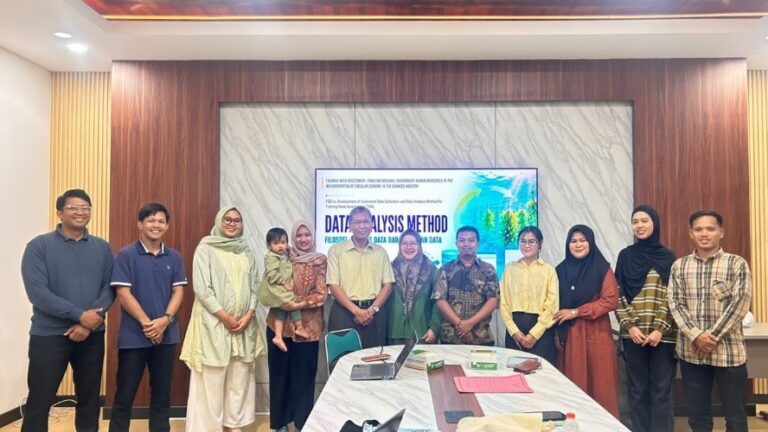
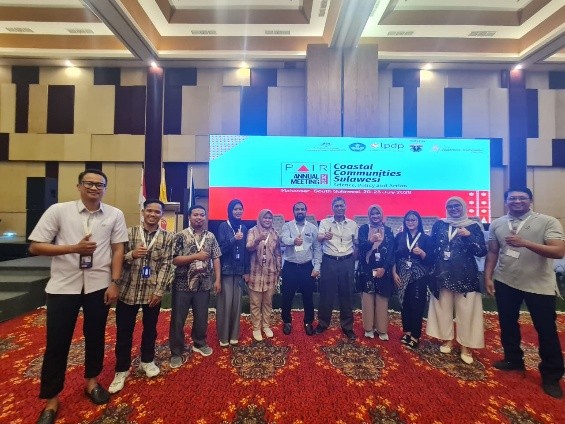
Sinjai, South Sulawesi, Indonesia — The PAIR Program conducted a field visit to seaweed farmers in Sinjai Regency on November 28, 2025. The activity involved five participants and was conducted through direct discussions and interviews with local seaweed farming communities. The visit aimed to obtain first-hand information on local government policies, the conditions of seaweed farming, and cultivation practices, while gaining a deeper understanding of the experiences, needs, and challenges faced by coastal communities. Direct engagement with farmers provided an opportunity to understand seaweed cultivation from the perspective of the people who carry out the activity in their daily lives. Participants explored various aspects of farming, including cultivation methods, production conditions, resource availability, environmental factors, and challenges that may influence productivity and the continuity of farming activities. The discussions also provided insights into how farmers respond to changes in environmental conditions and market or economic circumstances.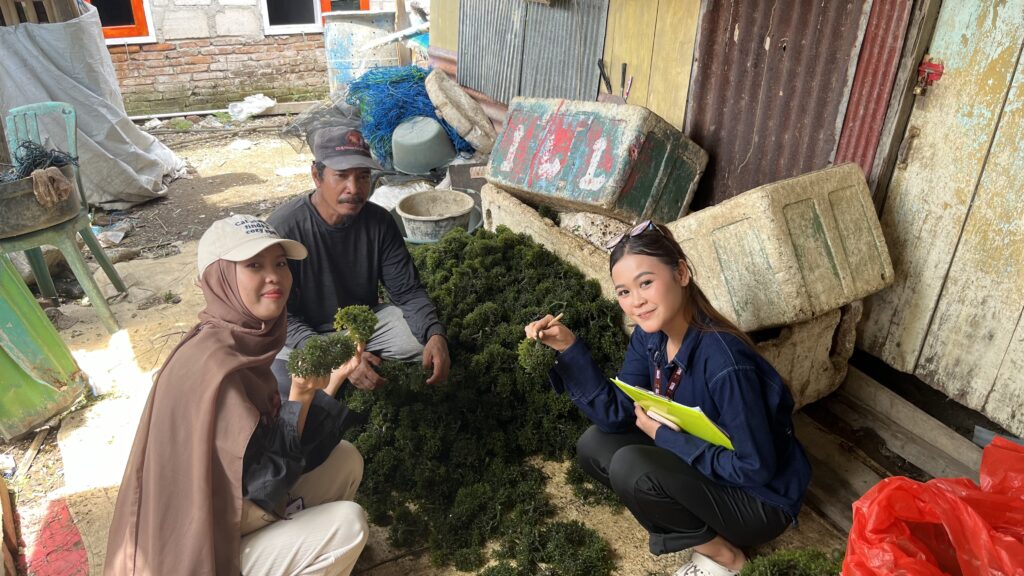 The visit emphasized that local communities are important sources of knowledge in coastal development. Farmers possess practical experience developed through continuous interaction with the coastal environment. This local knowledge can complement scientific research and official statistics by explaining the realities behind production data and development indicators. Understanding farmers’ experiences can therefore help researchers develop a more comprehensive perspective on the seaweed farming system. The discussions also explored farmers’ experiences with government programs and institutional support. Participants sought information about access to technical assistance, infrastructure, training, production inputs, markets, and other forms of support. These conversations provided an opportunity to identify the factors that facilitate or constrain seaweed farming at the community level and to understand how existing support systems are experienced by farmers.
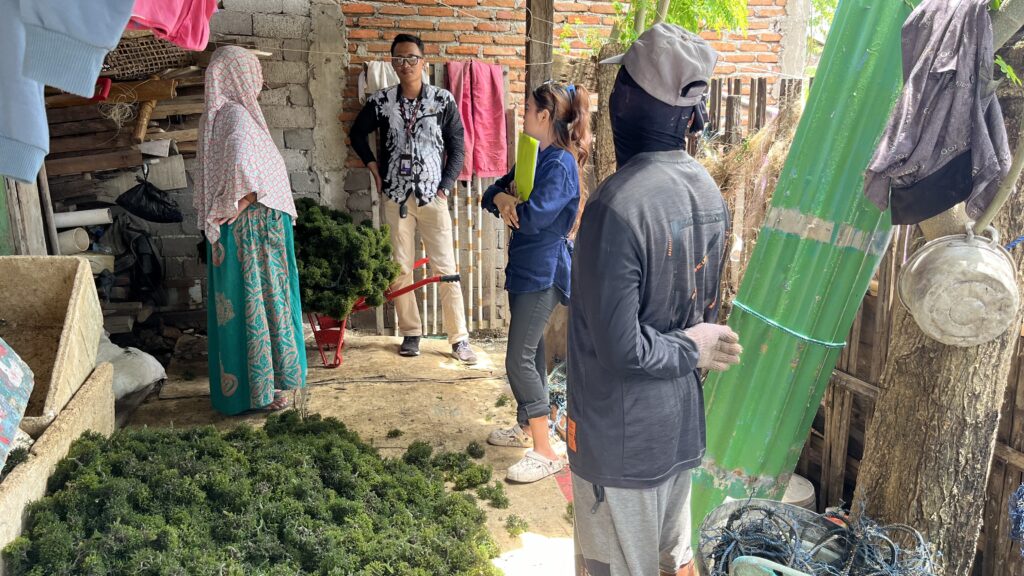 The activity is closely aligned with Sustainable Development Goal (SDG) 1: No Poverty, as seaweed farming can provide an important source of income for coastal households. Strengthening sustainable farming practices and improving access to appropriate support can contribute to livelihood security and greater economic resilience. The visit also supports SDG 4: Quality Education through a two-way learning process between researchers and local communities. Scientific perspectives can be enriched by farmers’ practical knowledge, while direct interaction creates opportunities for knowledge sharing and increased awareness of sustainable coastal resource management. The activity further contributes to SDG 14: Life Below Water by promoting responsible utilization of marine and coastal resources. Sustainable seaweed farming is closely connected to the condition of coastal ecosystems, making environmental awareness and responsible cultivation practices important for maintaining both ecosystem functions and community livelihoods. Furthermore, the visit reflects SDG 17: Partnerships for the Goals by strengthening relationships between researchers and coastal communities. Collaboration can connect scientific knowledge, local experience, government policies, and community needs, creating a stronger foundation for sustainable development initiatives. Overall, the PAIR Program visit provided valuable insights into the realities of seaweed farming in Sinjai Regency. Knowledge gathered directly from farmers is expected to enrich future research, support evidence-based policy discussions, and contribute to the development of more inclusive, resilient, and sustainable coastal livelihoods in Sinjai and South Sulawesi.