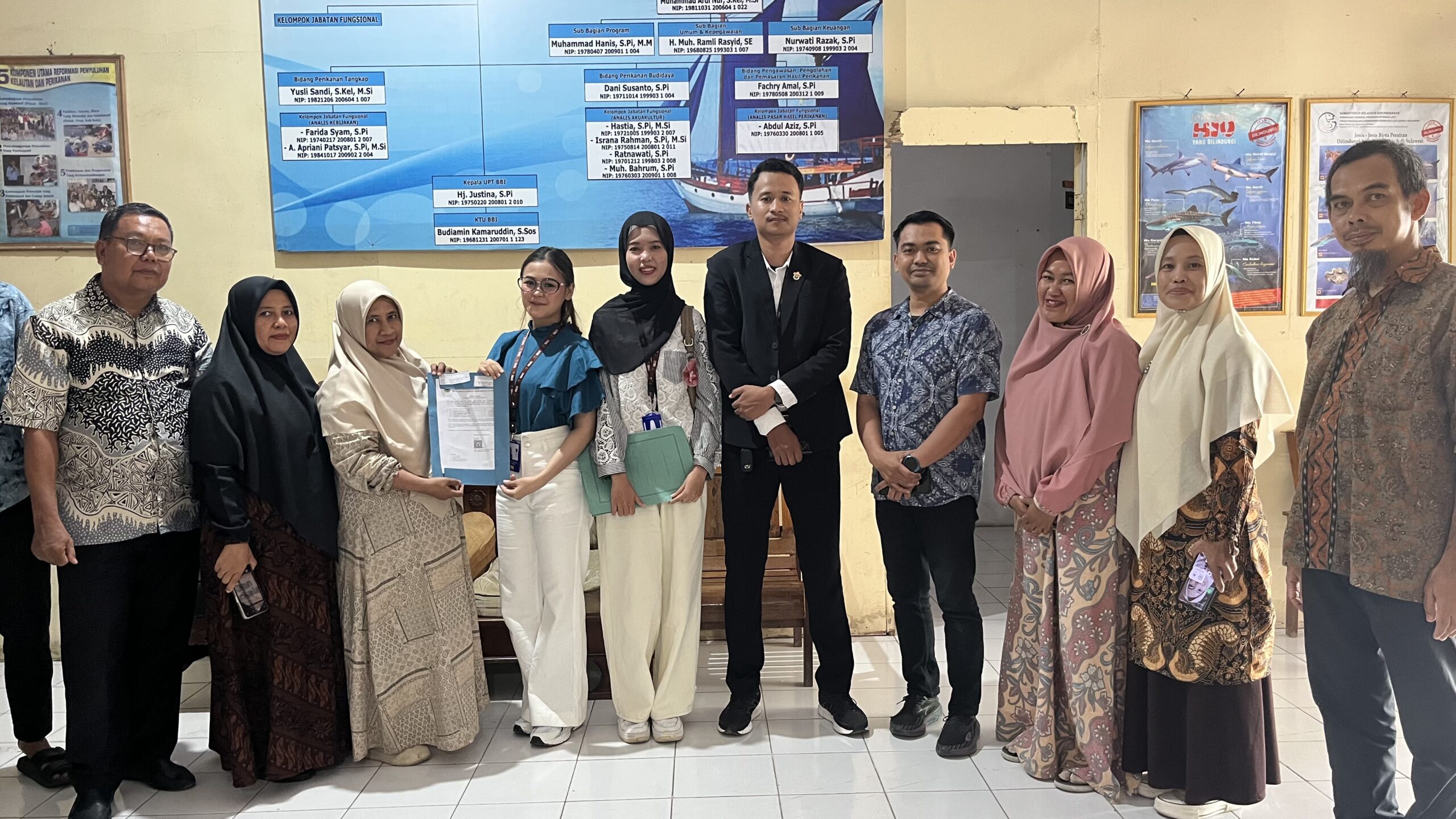
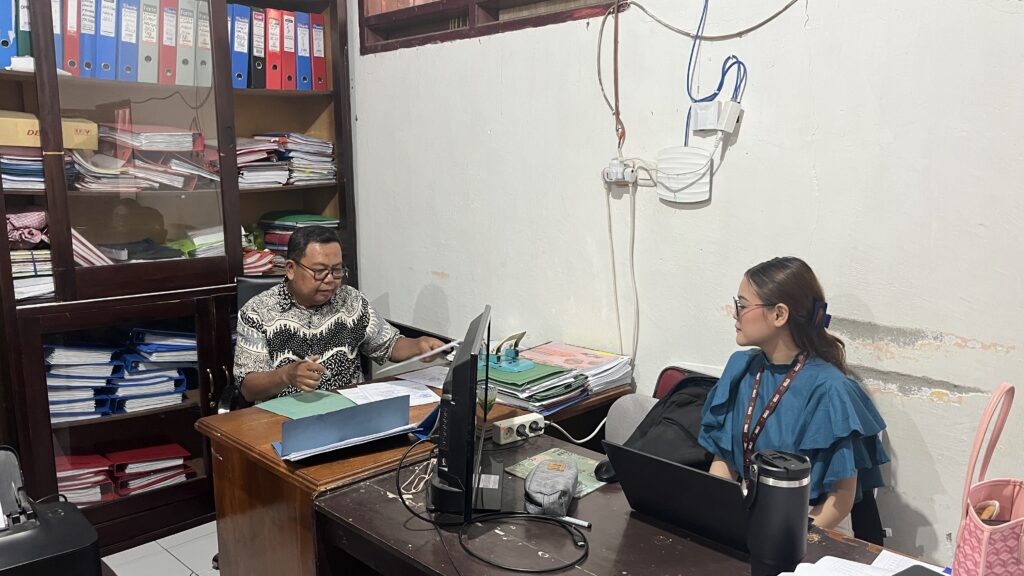
Bulukumba, South Sulawesi, Indonesia — The PAIR Program conducted a field visit to the Marine and Fisheries Office of Bulukumba Regency on November 27, 2025. The activity involved 11 participants and was carried out through discussions and interviews to obtain first-hand information on local government policies, institutional support, and the current conditions and practices of seaweed farming. The visit aimed to strengthen understanding of how policies and community practices interact in shaping the development of the seaweed sector and coastal livelihoods.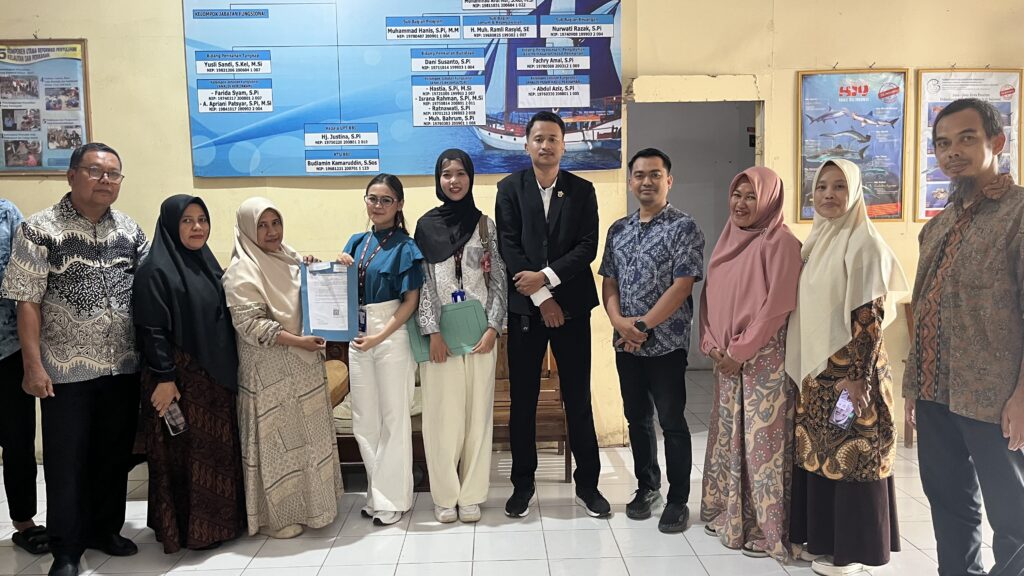 The discussion provided an opportunity to explore the role of the local government in supporting marine and fisheries development, particularly the seaweed farming sector. Participants discussed existing policies, development programs, institutional responsibilities, and forms of assistance available to coastal communities and seaweed farmers. These discussions offered valuable insights into the priorities of local government and the mechanisms used to support communities whose livelihoods depend on coastal and marine resources. The visit also focused on the realities of seaweed farming at the community level. Through direct dialogue, participants sought to understand farming practices, production conditions, resource availability, environmental factors, and challenges that may influence the continuity and productivity of seaweed cultivation. Information from the field is important because it provides a practical perspective that can complement scientific research and government data. An important aspect of the discussion was the relationship between policy and implementation. Effective coastal development requires policies that are not only well designed but also responsive to conditions experienced by communities. Understanding farmers’ needs and challenges can help identify areas where institutional support, technical assistance, infrastructure, capacity building, and access to information may be strengthened. The activity also highlighted the importance of knowledge exchange in developing sustainable coastal livelihoods. Researchers can contribute scientific perspectives and analytical approaches, while government institutions provide policy and institutional insights and communities contribute practical knowledge gained through experience. Bringing these perspectives together can create a stronger foundation for developing strategies that are locally relevant and evidence-based.
 The activity is closely aligned with Sustainable Development Goal (SDG) 1: No Poverty, as strengthening sustainable seaweed farming can contribute to livelihood security and economic resilience among coastal households. It also supports SDG 4: Quality Education through knowledge exchange and learning among researchers, government officials, and local stakeholders. In addition, the activity contributes directly to SDG 14: Life Below Water by promoting responsible utilization of marine and coastal resources and encouraging greater consideration of environmental sustainability in seaweed farming development. The visit further reflects SDG 17: Partnerships for the Goals, emphasizing collaboration among government institutions, researchers, and coastal communities. Such partnerships are essential for connecting policy, scientific knowledge, and local experience in addressing complex coastal development challenges. Overall, the PAIR Program visit to the Marine and Fisheries Office of Bulukumba Regency provided valuable insights into local policies and seaweed farming conditions. The information gathered is expected to support future research, strengthen policy dialogue, and contribute to collaborative efforts toward inclusive, resilient, and sustainable coastal development in Bulukumba and South Sulawesi.