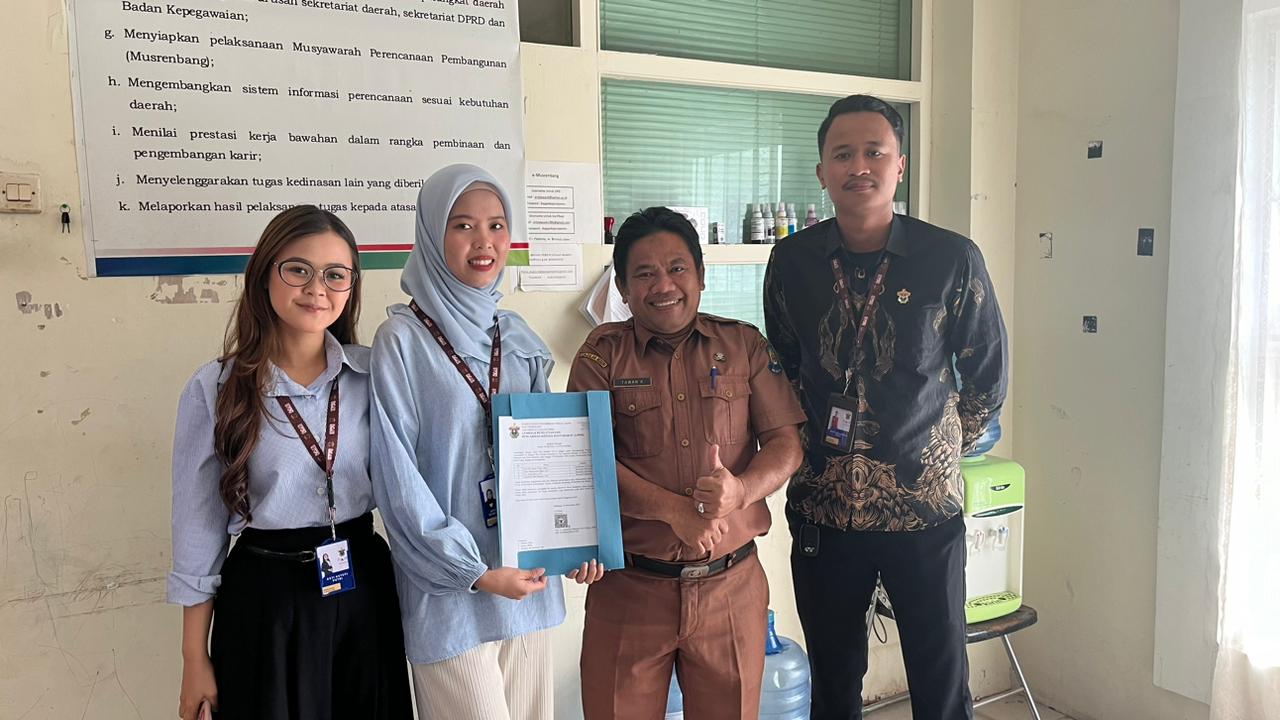
Jeneponto, South Sulawesi, Indonesia — A field visit under the Partnership for Australia-Indonesia Research (PAIR) Program was conducted on November 25, 2025 at the Regional Development Planning Agency of Jeneponto Regency, South Sulawesi. The activity involved four participants and aimed to obtain firsthand information through discussions and interviews concerning regional policies, institutional roles, and coordination among government agencies in supporting community empowerment and the development of seaweed farming. The visit provided an opportunity to gain a broader understanding of how regional development planning can contribute to strengthening the livelihoods of coastal communities. In Jeneponto, seaweed farming is closely connected to the economic activities of coastal communities. Understanding how this sector is incorporated into regional development priorities is therefore important for identifying appropriate strategies to improve community welfare while encouraging sustainable management of coastal resources.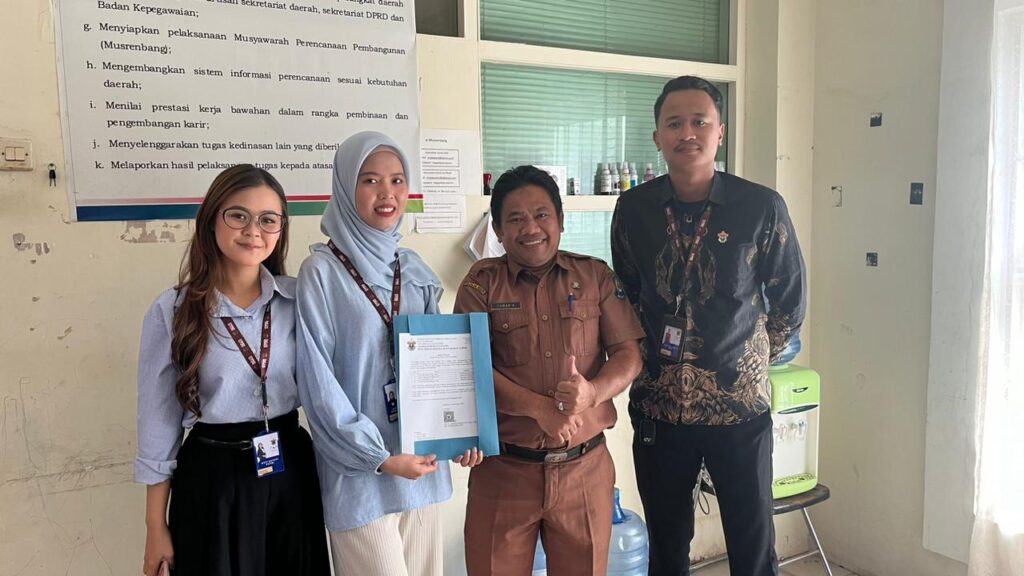 During the discussion, participants explored the role of Regional Development Planning Agency in formulating and coordinating regional development priorities. Particular attention was given to the relationship between development planning, government policies, and programs related to coastal communities and the seaweed sector. The discussion also provided insights into how different government institutions may contribute according to their respective responsibilities and how coordination can strengthen the implementation of development initiatives. Direct engagement with the Regional Development Planning Agency offered an important institutional perspective that complements information gathered through field observations and discussions with seaweed farmers. While communities provide firsthand knowledge of their experiences, challenges, and needs, regional planning institutions provide an overview of policy direction and development priorities. Bringing these perspectives together can contribute to a more comprehensive understanding of the factors influencing the development of seaweed farming. The activity also highlighted the importance of integrated planning. Sustainable development of the seaweed sector requires more than improvements in cultivation practices. It involves access to knowledge, capacity building, economic opportunities, supportive policies, institutional coordination, and environmental considerations. A coordinated planning approach can help ensure that these elements are addressed in a way that reflects local conditions and community needs.
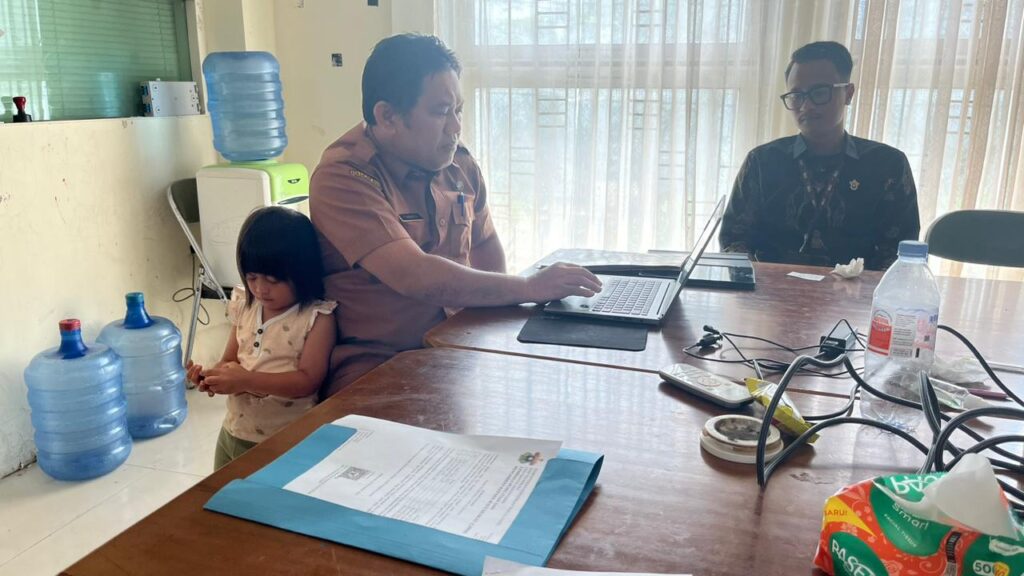 The field visit contributes to several Sustainable Development Goals (SDGs). It supports SDG 1: No Poverty by exploring development policies that can strengthen livelihoods and economic opportunities for coastal communities. It contributes to SDG 4: Quality Education through knowledge exchange and field-based learning that connects research with regional development practices. The sustainable development of seaweed farming is also relevant to SDG 14: Life Below Water, particularly through responsible utilization of coastal and marine resources. Furthermore, engagement between researchers and regional government institutions reflects SDG 17: Partnerships for the Goals, emphasizing collaboration and institutional coordination in achieving sustainable development. Overall, the PAIR Program field visit to the Regional Development Planning Agency of Jeneponto provided valuable insights into the role of regional development planning in supporting coastal communities and the seaweed sector. The information obtained through the discussion is expected to strengthen research perspectives and contribute to the development of more evidence-based and community-responsive strategies. The visit demonstrated that sustainable coastal development requires strong connections between policy, scientific knowledge, institutional capacity, and community needs. Through continued collaboration among researchers, government institutions, and communities, the PAIR Program contributes to building a stronger foundation for inclusive, resilient, and sustainable development of seaweed farming in Jeneponto.