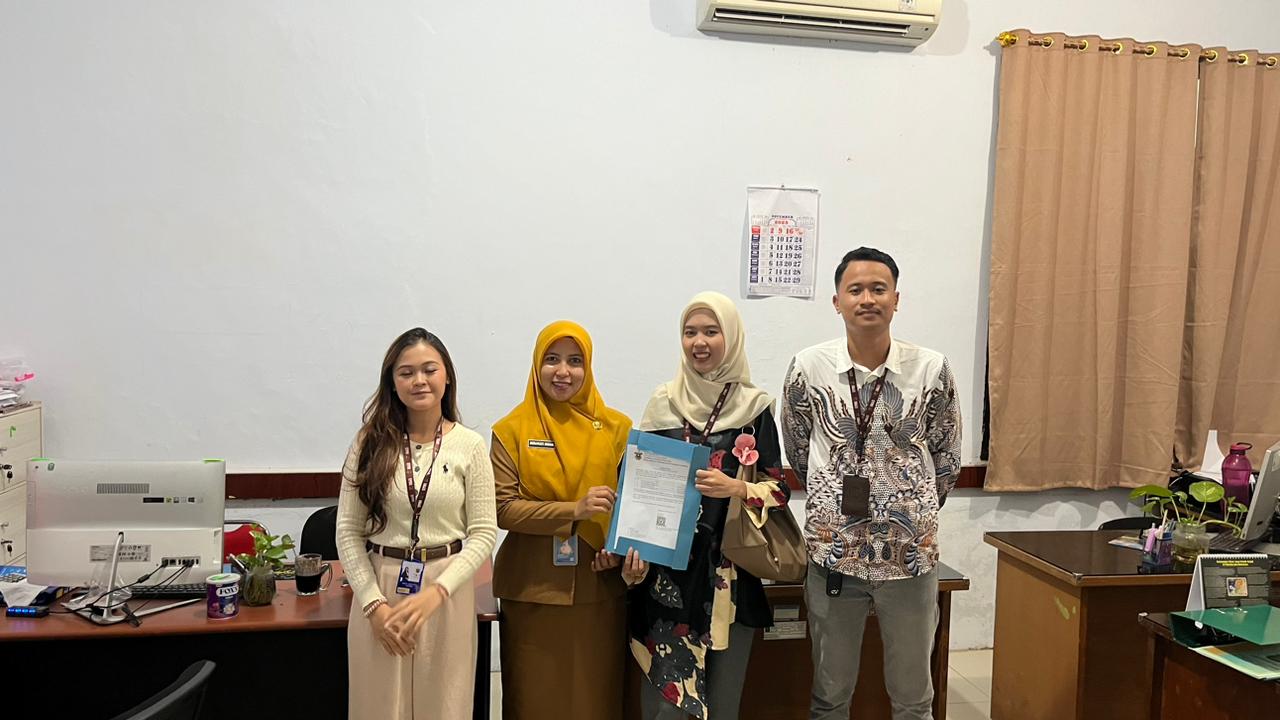
Takalar, South Sulawesi, Indonesia — A field visit under the Partnership for Australia-Indonesia Research (PAIR) Program was conducted on November 24, 2025 at the Regional Development Planning Agency of Takalar Regency, South Sulawesi. The activity involved four participants and aimed to obtain firsthand information through discussions and interviews concerning regional policies, institutional roles, and inter-agency coordination in supporting community empowerment and the development of seaweed farming. The visit provided an opportunity to gain a broader understanding of how regional development planning can contribute to strengthening coastal livelihoods. Takalar is an important area for seaweed production, and the sector plays a significant role in the economic activities of coastal communities. Understanding how seaweed farming is positioned within regional development priorities is therefore essential for identifying opportunities to strengthen community welfare while promoting sustainable use of coastal resources.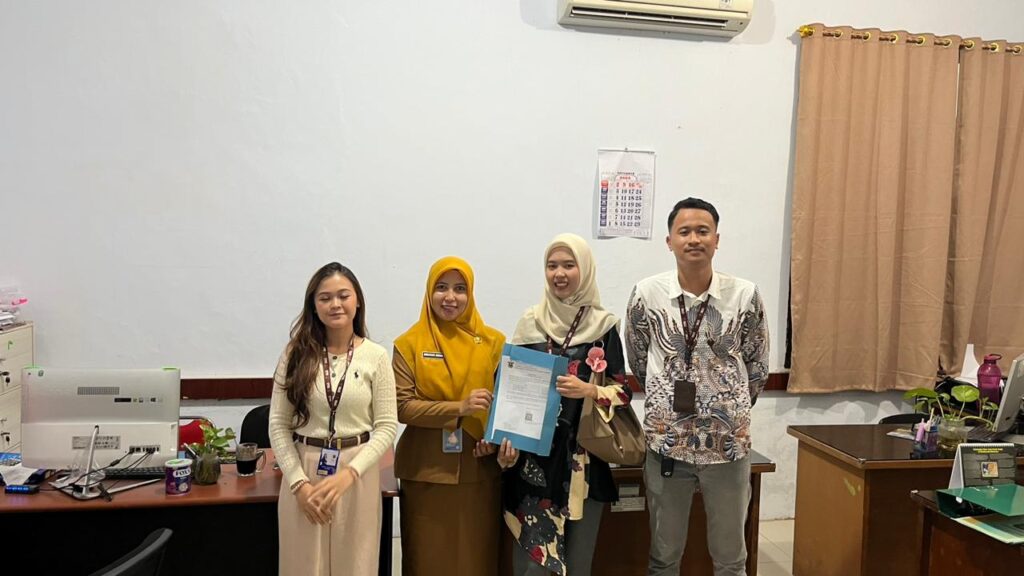 During the discussion, participants explored the role of Regional Development Planning Agency in coordinating regional development planning and connecting different sectors and institutions. Particular attention was given to how government policies and development programs can respond to the needs of seaweed farming communities. The discussion also highlighted the importance of coordination among government agencies, research institutions, local communities, and other stakeholders to ensure that development initiatives are implemented in an integrated and mutually supportive manner. Direct engagement with institutional stakeholders provided valuable perspectives that complement information obtained through field observations and community interviews. Such discussions are important for understanding how policies are formulated, how development priorities are identified, and how institutional responsibilities are connected. This information can strengthen research by providing a clearer picture of the relationship between policy, institutional support, and the realities faced by coastal communities. The activity also emphasized that sustainable seaweed farming requires an integrated development approach. Economic opportunities for farmers need to be supported by appropriate planning, access to knowledge and information, capacity building, institutional coordination, and attention to environmental sustainability. These elements are interconnected and can influence the ability of coastal communities to develop resilient livelihoods.
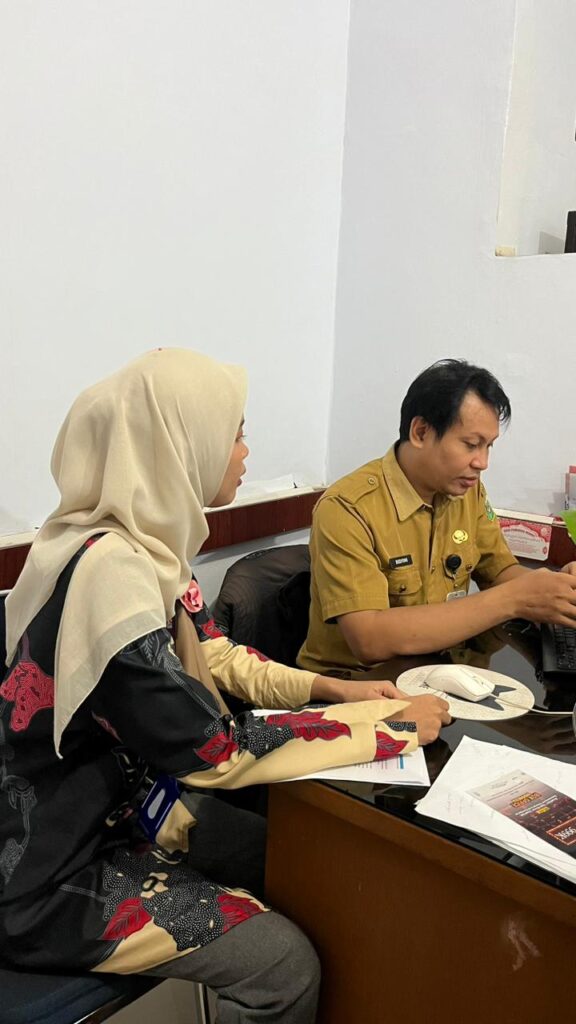 The field visit contributes to several Sustainable Development Goals (SDGs). It supports SDG 1: No Poverty by examining policy and development support for strengthening the livelihoods of coastal communities. It contributes to SDG 4: Quality Education through knowledge exchange and field-based learning that connects research with regional development practices. The sustainable development of seaweed farming is also relevant to SDG 14: Life Below Water, particularly through the responsible use of marine and coastal resources. Furthermore, the dialogue between researchers and regional government institutions directly reflects SDG 17: Partnerships for the Goals, emphasizing collaboration and institutional connectivity as important foundations for sustainable development. Overall, the PAIR Program field visit to the Regional Development Planning Agency Takalar strengthened understanding of the role of regional planning and institutional coordination in supporting the seaweed sector. The information gathered through the discussion is expected to contribute to more comprehensive research and provide valuable perspectives for developing evidence-based approaches to community empowerment. Through direct engagement with regional institutions, the activity demonstrated the importance of connecting scientific knowledge, public policy, and community needs. Such collaboration can help promote a more inclusive, resilient, and sustainable development pathway for coastal communities and the seaweed sector in Takalar.