



MAKASSAR, Indonesia Apr 19 2026 /MSM-RG/– This article highlights how engineered TiO₂ nanoparticles, enhanced with iron, can use light to remove toxic pollutants from water more efficiently. It demonstrates how nanotechnology can transform environmental challenges into practical solutions. But an important question remains: how can this scientific breakthrough be translated into real-world applications that reach communities most in need?

MAKASSAR, Indonesia Apr 19 2026 /MSM-RG/– This article explores how iron-doped TiO₂ nanoparticles can harness light energy to efficiently break down harmful pollutants in water in an environmentally friendly way. This innovation opens up promising opportunities for light-driven water purification technologies. However, the key question remains: can this technology be scaled into an affordable and widely accessible solution to address the global clean water crisis?

MAKASSAR, Indonesia Apr 19 2026 /MSM-RG/– Have you ever imagined that heating tiny particles in a laboratory could help clean rivers and oceans? The answer is yes. By improving iron-doped TiO2 nanoparticles through annealing, researchers created a stronger photocatalyst that can remove pollutants more effectively using sunlight. This innovation supports cleaner water, healthier ecosystems, and a more sustainable future for life on land and below water.
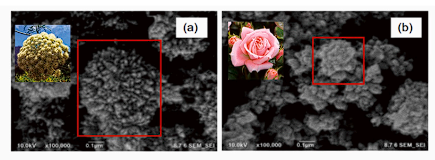
MAKASSAR, Indonesia Apr 19 2026 /MSM-RG/– Have you ever thought that sunlight could help clean dirty water? The answer is yes. By using iron-doped TiO2 nanoparticles, researchers created a smarter photocatalyst that uses sunlight more efficiently to remove pollutants from water. This innovation supports cleaner ecosystems, healthier communities, and a more sustainable future for both humans and marine life.
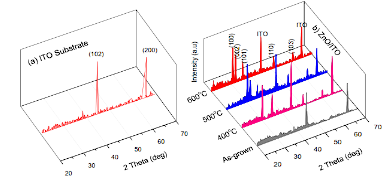
MAKASSAR, Indonesia Apr 19 2026 /MSM-RG/– Have you ever thought that a transparent layer on glass could improve healthcare and clean energy? The answer is yes. By improving ZnO and AZO thin films through annealing, researchers created clearer, stronger, and more efficient materials for sensors, solar cells, and medical devices. This innovation proves that small materials can create big solutions for human life and environmental sustainability.
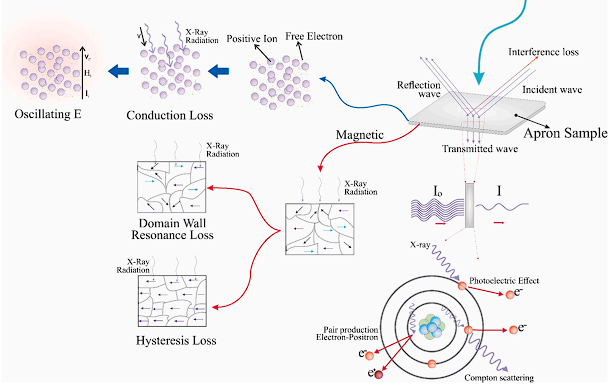
MAKASSAR, Indonesia Apr 19 2026 /MSM-RG/– Have you ever thought that a hospital apron could protect both human health and the environment? The answer is yes. By replacing toxic lead with PVA and bismuth-based materials, researchers created a lighter, safer, and eco-friendly X-ray shielding apron. This innovation improves medical worker safety while also supporting sustainable healthcare for the future.
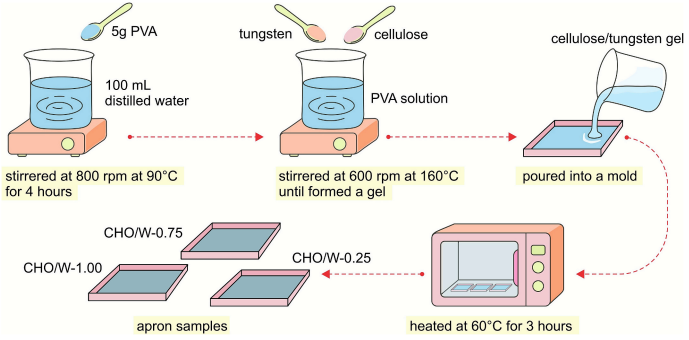
MAKASSAR, Indonesia Apr 19 2026 /MSM-RG/– Have you ever thought that plant-based materials could replace toxic lead in hospital protective equipment? The answer is yes. By using cellulose from natural sources combined with tungsten and PVA, researchers created a safer and more environmentally friendly X-ray shielding apron. This innovation supports both human safety and environmental protection, proving that healthcare and sustainability can go hand in hand.
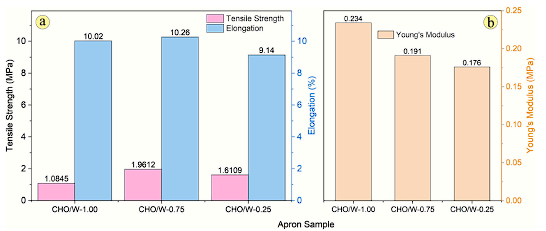
MAKASSAR, Indonesia Apr 19 2026 /MSM-RG/– Have you ever wondered why doctors wear heavy aprons during X-ray examinations? The answer is simple: they protect the body from harmful radiation. This study shows that replacing toxic lead aprons with lighter PVA, cellulose, and tungsten composite aprons can improve both safety and comfort. With better protection and eco-friendly materials, healthcare workers can perform their jobs more safely and effectively.
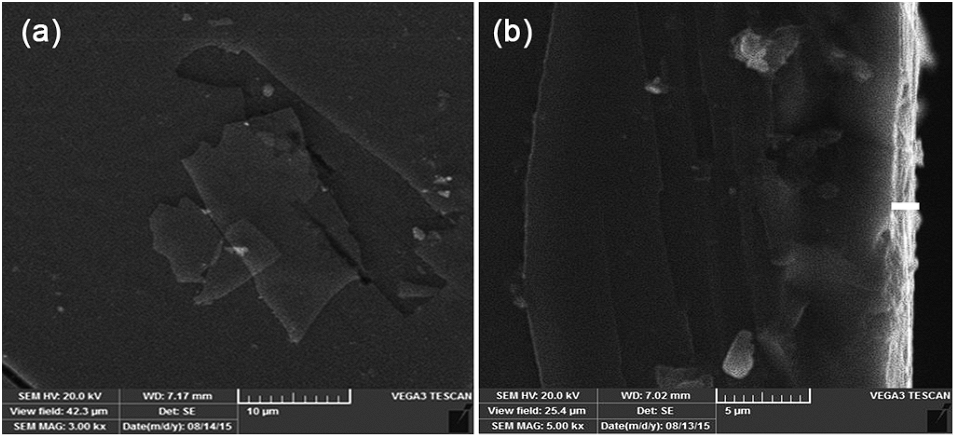
MAKASSAR, Indonesia Apr 19 2026 /MSM-RG/– Have you ever wondered how an invisible layer on glass could help improve human health and modern medical technology? Scientific innovation often begins with materials too small to be seen by the human eye, yet their impact can be enormous. Thin film technology, especially semiconductor materials such as TiO2 and ZnO, has become an important foundation for modern healthcare devices, sensors, and optoelectronic systems. Through simple but effective processes like thermal annealing, these materials can be improved to perform better, supporting faster diagnosis, safer monitoring, and more accessible medical technology for society.
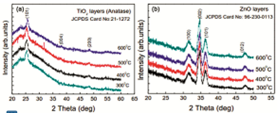
This research project focuses on tailoring the structural and optical properties of semiconductor thin films through controlled thermal annealing and bilayer engineering. Materials such as TiO₂, ZnO, TiO₂/ZnO bilayers, AZO/ITO, and ZnO/ITO films were synthesized using the sol-gel spin coating method to achieve uniform morphology and tunable crystal structures.