

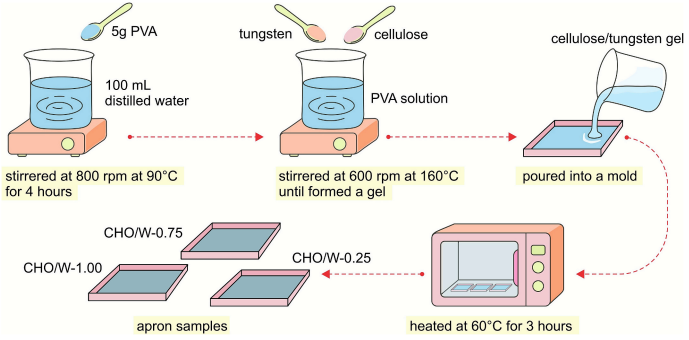

MAKASSAR, Indonesia Apr 19 2026 /MSM-RG/– Have you ever imagined that materials from plants could help protect doctors from dangerous X-ray radiation? In modern healthcare, radiation is necessary for diagnosing diseases, but long-term exposure can threaten the safety of medical workers. This challenge encourages scientists to create protective materials that are not only effective but also safer for people and the environment.
One important study discussing this innovation is “Fabrication PVA/cellulose/tungsten composite aprons for X-ray shielding: Structural, attenuation, and mechanical evaluation”, published in the Indian Journal of Pure & Applied Physics, issued by Elsevier, and officially published on 13 December 2025. The research focuses on developing a new X-ray shielding apron made from PVA (polyvinyl alcohol), cellulose, and tungsten as a safer and more sustainable alternative to traditional lead aprons.
For decades, lead has been the standard material for radiation shielding because of its high density and excellent ability to block X-rays. However, lead is toxic, heavy, and harmful to the environment if not properly managed. It can also cause discomfort for doctors, radiologists, and technicians who must wear protective aprons for many hours every day.
To overcome this problem, researchers introduced cellulose, a natural material derived from plants, combined with PVA and tungsten particles. Cellulose is biodegradable, renewable, and environmentally friendly, making it an excellent choice for sustainable medical products. Tungsten, on the other hand, provides strong radiation shielding without the toxic effects of lead.
The study found that increasing tungsten content improved radiation attenuation, while cellulose enhanced flexibility and mechanical strength. This means the apron became lighter, more comfortable, and still highly effective in protecting against X-ray exposure. The composite also showed good durability, making it suitable for repeated use in hospitals and clinics.
This innovation strongly supports SDG 15: Life on Land because reducing the use of toxic lead helps prevent soil and land contamination caused by hazardous medical waste. Lead disposal can create serious environmental problems, especially when waste management systems are weak. By replacing lead with plant-based cellulose and safer materials, hospitals can reduce their environmental footprint and protect ecosystems.
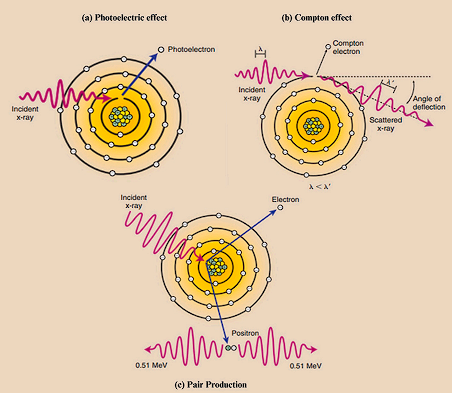
In addition, cellulose comes from renewable natural resources, which supports sustainable material development. This helps reduce dependence on harmful industrial materials and promotes greener manufacturing practices. Protecting land resources is not only about forests and wildlife, but also about reducing pollution from everyday healthcare systems.
This research also contributes indirectly to better public awareness about sustainable healthcare technology. It shows that scientific innovation can protect both human health and the planet at the same time. Hospitals should not only cure diseases but also avoid creating new environmental problems through toxic waste.
The mechanical tests confirmed that the new apron has enough strength and flexibility for daily medical use. This proves that environmentally friendly products do not have to sacrifice quality or performance.
This study reminds us that sustainability can start from small changes—even from the aprons worn by doctors. A greener hospital begins with smarter material choices. So, can plant-based materials really help protect both people and the planet? Yes—because true healthcare should heal humans without harming the Earth.
Reference:
DOI: https://doi.org/10.1016/j.anucene.2025.112063
Contact:
Prof. Dr. Paulus Lobo Gareso, M.Sc.
+62 813-5511-2925
pgareso@fmipa.unhas.ac.id


