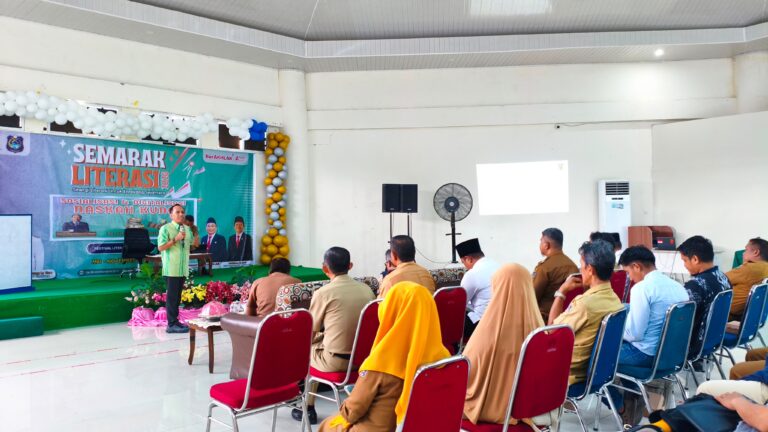

Makassar, South Sulawesi, Indonesia – Barrang Lompo Island, situated in the district of Kepulauan Sangkarrang, Kota Makassar, holds within its shores a remarkable palimpsest of cultural and historical memory. On 4–5 May 2026, the TRG Manuscript and Culture Research Group in collaboration with the Dinas Kebudayaan Kota Makassar conducted a systematic fieldwork expedition to document the historical evidence of multicultural communities that once settled and flourished on this island.
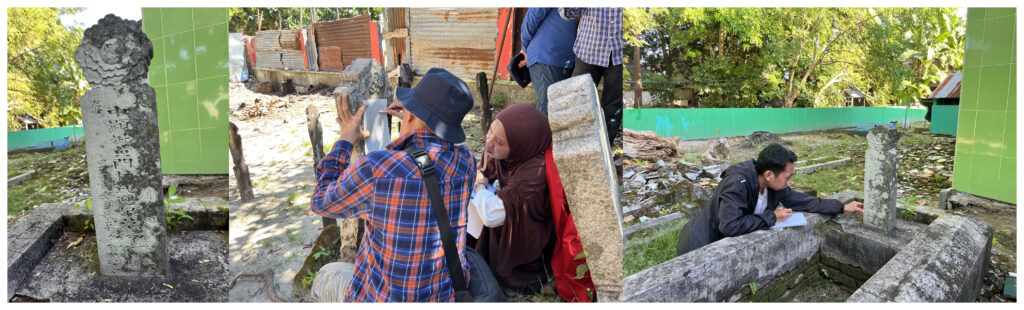
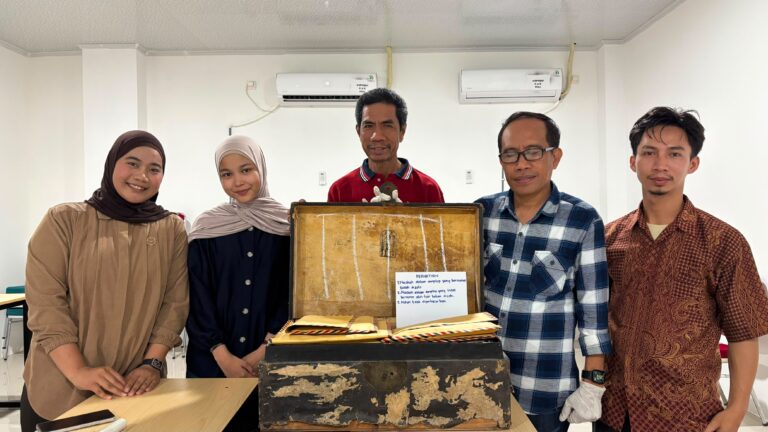
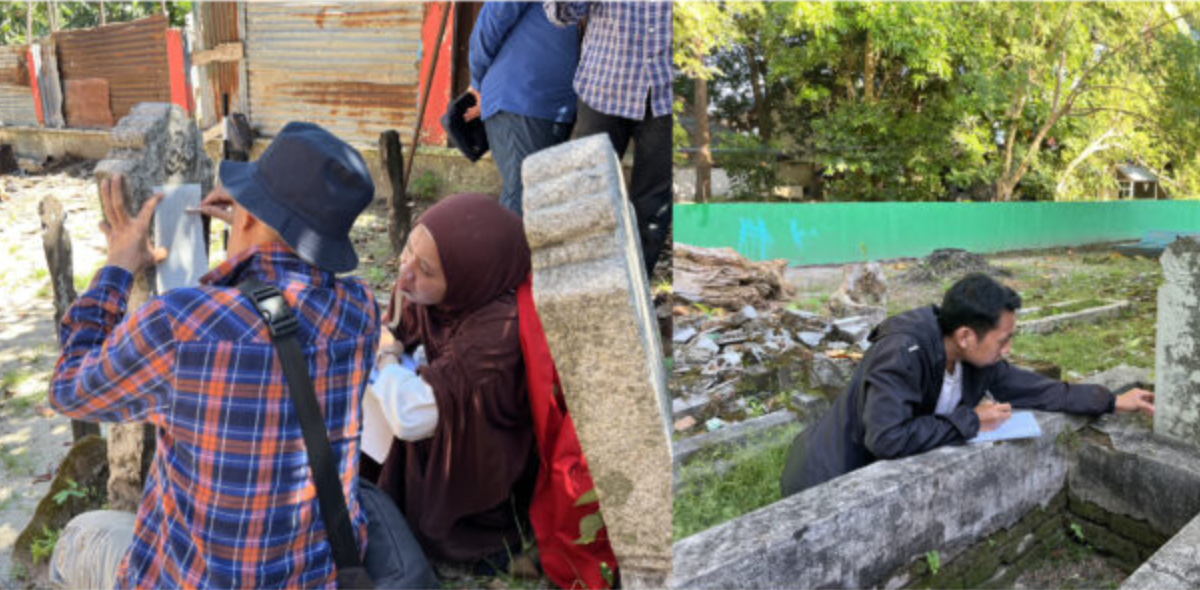
The research team uncovered a compelling series of historical traces that bear witness to the island’s diverse past. Among the most significant findings were Chinese Muslim graves bearing inscribed tombstones in both Chinese script and Lontara — a testament to the intercultural exchange between Chinese and Bugis-Makassarese communities. The team also documented Malay graves, a Kadi Maros and Bontoala grave, and an ancient Al-Qur’an manuscript estimated to have been written in the 17th to 18th century. Completing the picture of this rich heritage is the Barrang Lompo Old Mosque, which stands as a physical anchor of Islamic identity in this island community.
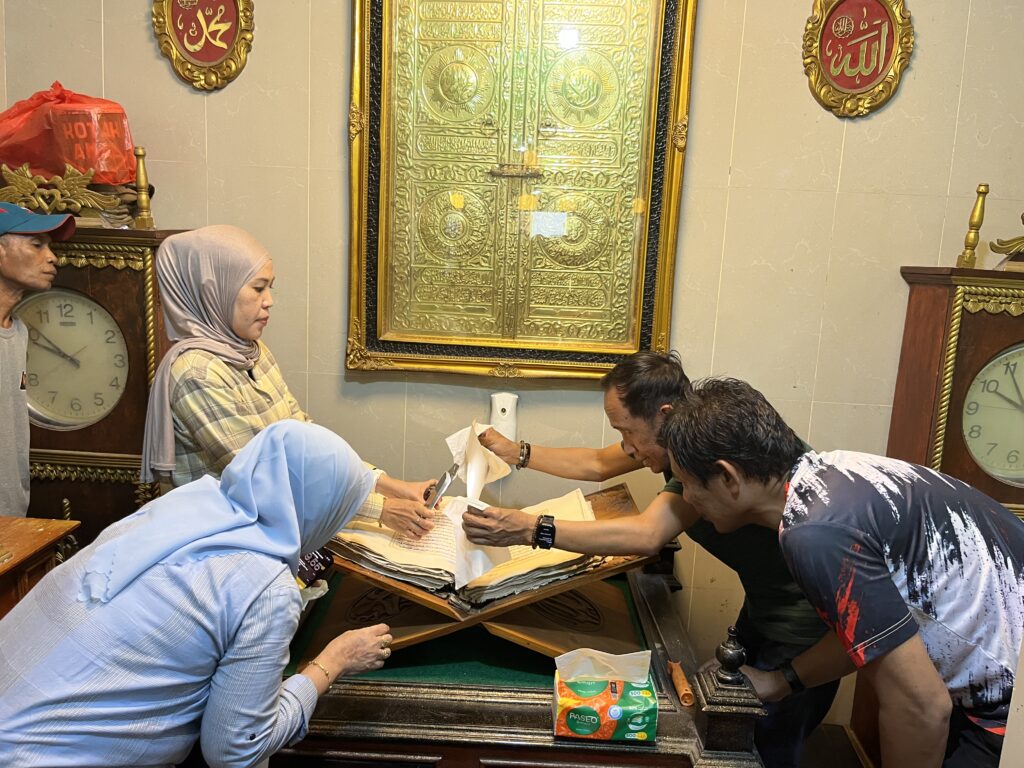
These findings collectively paint a vivid portrait of Barrang Lompo as a historic crossroads of maritime trade and cultural dialogue — a place where Chinese, Malay, and Bugis-Makassarese peoples coexisted, exchanged knowledge, and left enduring marks on the landscape and the written record.
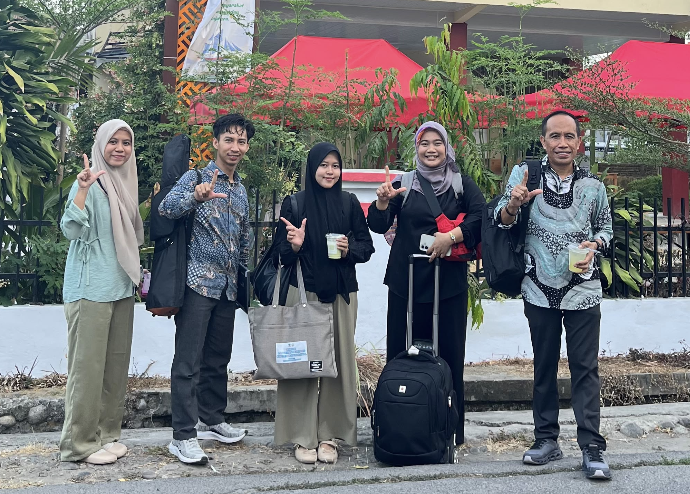
The research team comprised distinguished scholars and heritage professionals. Researchers from Universitas Hasanuddin (Unhas) included Prof. Muhlis Hadrawi, Dr. Yadi Mulyadi, Dr. Muhammad Nur, and Yusuf Sirajuddin, S.S. From the Badan Riset dan Inovasi Nasional (BRIN), the team included Dr. Nuraidar Agus and Jusmianti Garing, M.A. The Museum La Pawawoi Bone was represented by Khaidir Sirajuddin, S.S., while the Dinas Kebudayaan Kota Makassar team was led by Andi Muhammad Natsir Halid, S.H.
This initiative carries deep relevance to the global sustainable development agenda. In line with SDG 1 (No Poverty), documenting cultural heritage assets opens pathways for heritage-based economic development that can uplift island communities. The effort directly advances SDG 4 (Quality Education) by producing scholarly documentation that enriches historical knowledge and educational resources for students, researchers, and the public. Furthermore, this cross-institutional collaboration, bridging universities, national research bodies, regional museums, and local government, exemplifies the spirit of SDG 17 (Partnerships for the Goals), demonstrating how shared purpose and collective expertise can amplify the impact of heritage preservation work.
By giving voice to the silent witnesses of history, manuscripts, graves, and mosques, this expedition affirms that cultural memory is not merely the heritage of the past, but a living resource for building inclusive, educated, and resilient communities in the future.