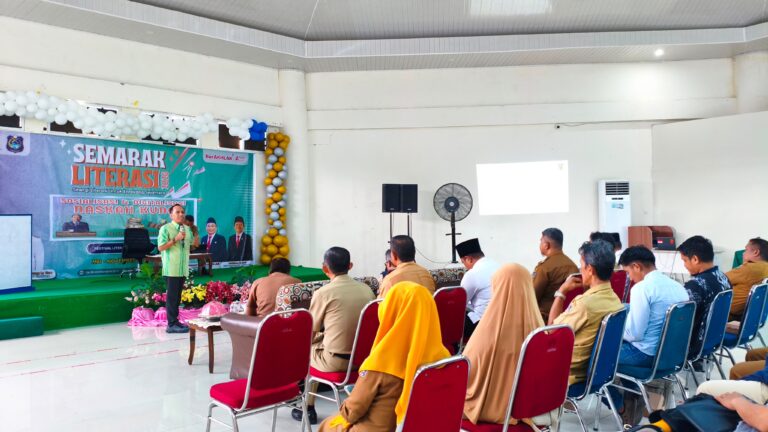

Maros, South Sulawesi, Indonesia – From July 3 to 5, 2025, the regency of Maros in South Sulawesi, Indonesia, became a focal point of global academic and cultural discourse through the International Conference Gau’ Maraja Leangleang Maros 2025. Held at the Maros Serbaguna Building, the event brought together approximately 300 participants, including local and international students from Bosnia, Africa, Pakistan, and Honduras, as well as academics, cultural practitioners, community leaders, and delegates from neighboring countries such as Malaysia. The presence of diverse stakeholders reflected the conference’s inclusive and collaborative spirit in addressing global heritage issues.
This international conference was chaired by Professor Muhlis Hadrawi from Hasanuddin University, who also serves as the Head of TRG Manuscript and Culture. The strategic collaboration between the TRG Manuscript and Culture and external collaborators, particularly from Australia, demonstrating a strong commitment to cross-border academic partnership and knowledge exchange.
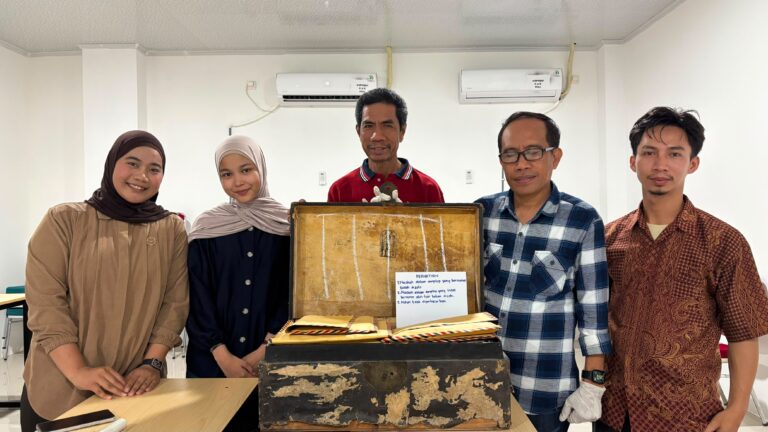
The participation of Collaborator TRG Manuscript and Culture as a speaker marked a significant contribution to advancing the discourse on Leangleang as one of the world’s oldest centers of prehistoric civilization. The narrative emphasized the archaeological richness of the Leang-Leang karst area, known for its ancient cave art and evidence of early human settlement, positioning it as a critical gateway to understanding global human history. Through a scientific yet accessible narrative approach, the presentation bridged academic knowledge with public awareness, encouraging broader appreciation and preservation efforts.
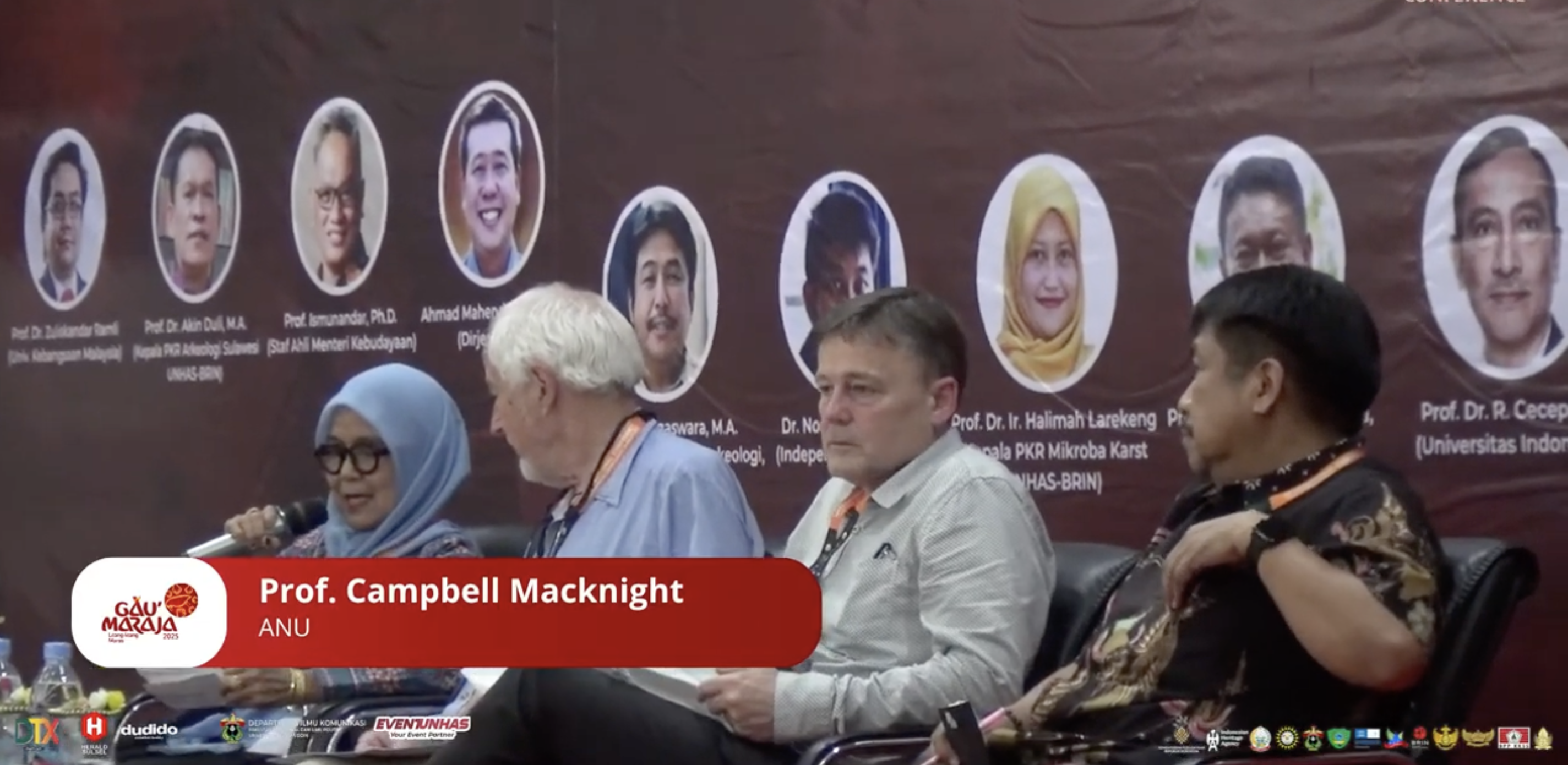
A highlight of the conference was the contribution of Professor Campbell Macknight from the Australian National University (ANU), an esteemed international partner. He delivered an insightful lecture titled “Ideas and Methods of Early Archaeologists in South Sulawesi,” which explored the evolution of archaeological thought and methodology in the region. His presence not only enriched the academic rigor of the conference but also strengthened international collaboration in heritage studies.
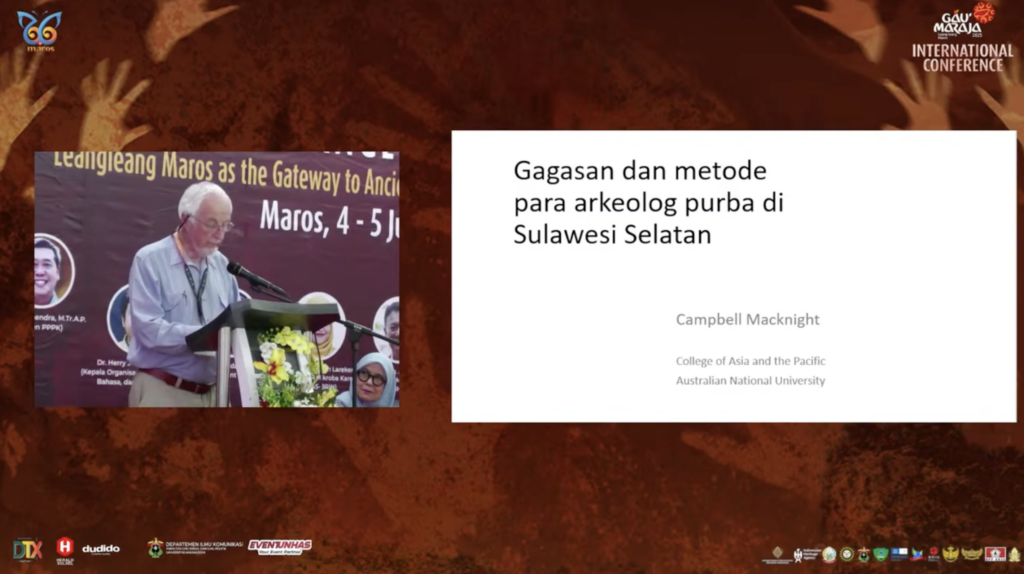
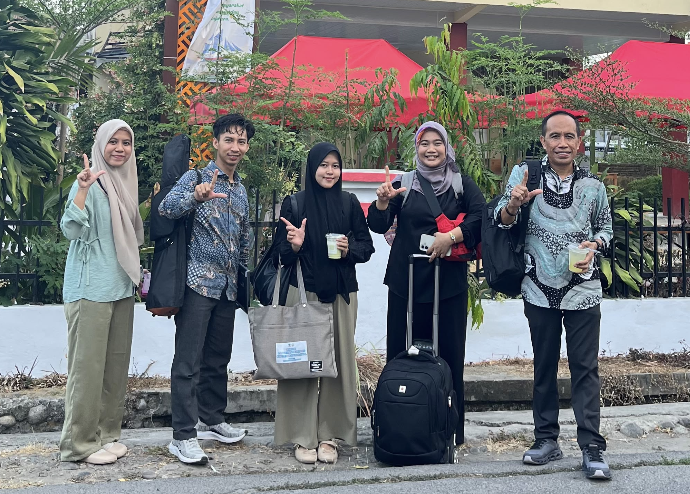
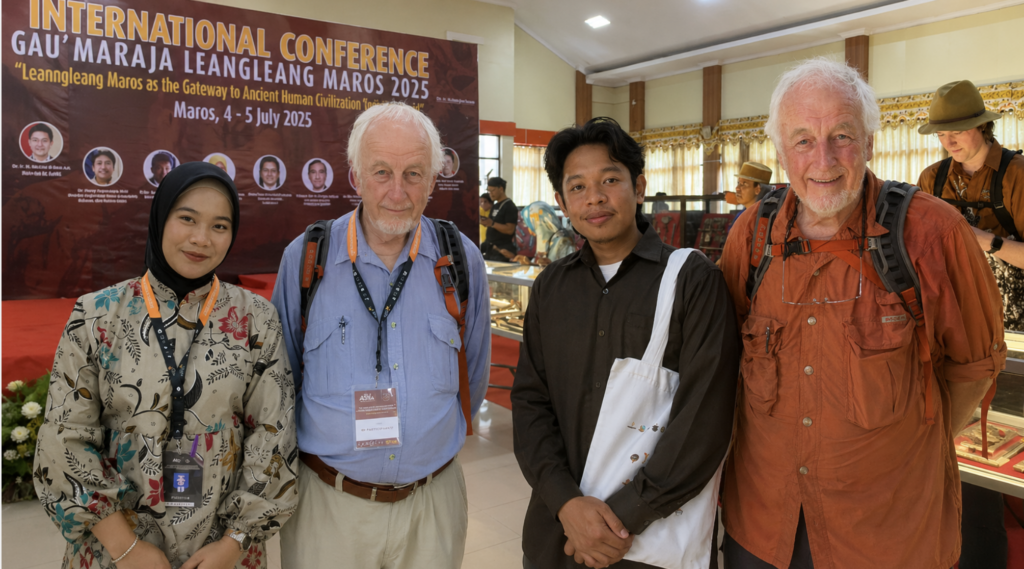
The success of the event was also supported by the active involvement of students, notably Nur Amaliah Ramadani, an undergraduate student from the Department of Local Literature, Faculty of Cultural Sciences, Hasanuddin University. As part of the organizing committee, she played a dual role as a liaison officer, assisting international speakers, including Professor Macknight. In addition, Andi Usrawi Mappaseng, an undergraduate student of History, also contributed significantly by accompanying and assisting Professor Macknight throughout the conference activities. Their contributions exemplify the vital role of youth engagement in cultural and academic initiatives.
This conference aligns explicitly with several Sustainable Development Goals (SDGs), particularly SDG 1 (No Poverty), SDG 4 (Quality Education), and SDG 17 (Partnerships for the Goals), as well as relevant connections to SDG 3 (Good Health and Well-being) and SDG 15 (Life on Land). By promoting cultural heritage as a resource for sustainable tourism and local economic empowerment, the event contributes to poverty alleviation (SDG 1). Its strong educational dimension—through knowledge exchange, academic presentations, and student involvement—directly supports quality education (SDG 4). Furthermore, the collaboration between local institutions and international scholars highlights the importance of global partnerships (SDG 17) in preserving and promoting shared human heritage.
In conclusion, the International Conference Gau’ Maraja Leang-Leang Maros 2025 not only served as a platform for scholarly exchange but also as a catalyst for raising global awareness about the significance of Leang-Leang. Through interdisciplinary dialogue and international cooperation, the event reinforced the importance of preserving cultural heritage as a foundation for sustainable development and collective human identity.