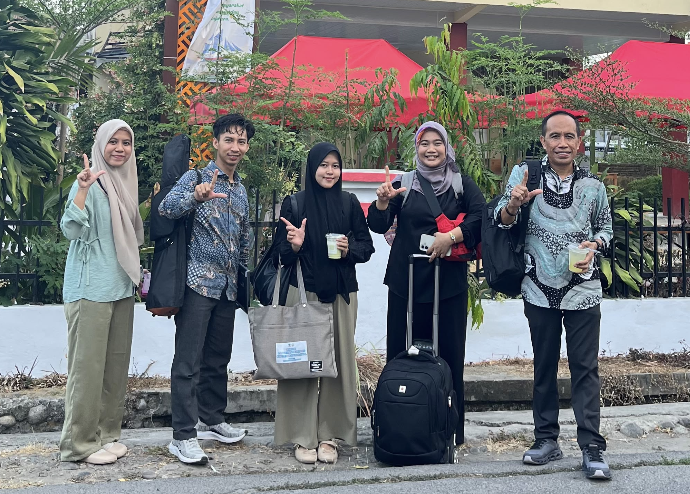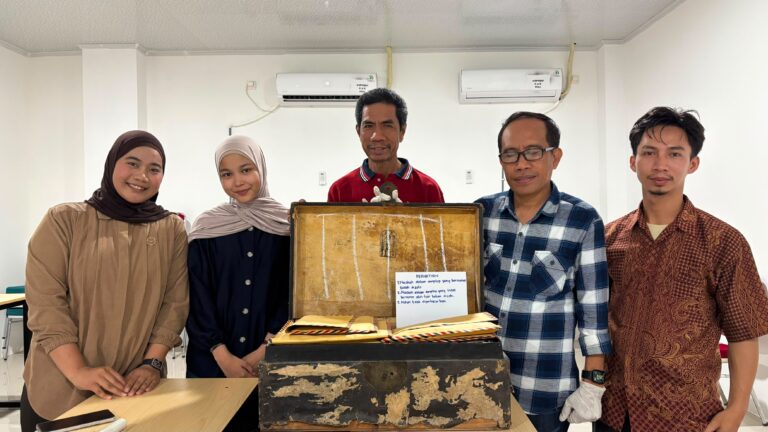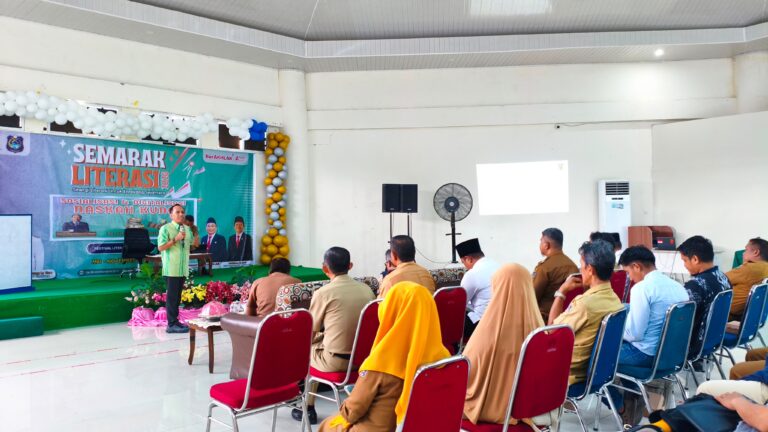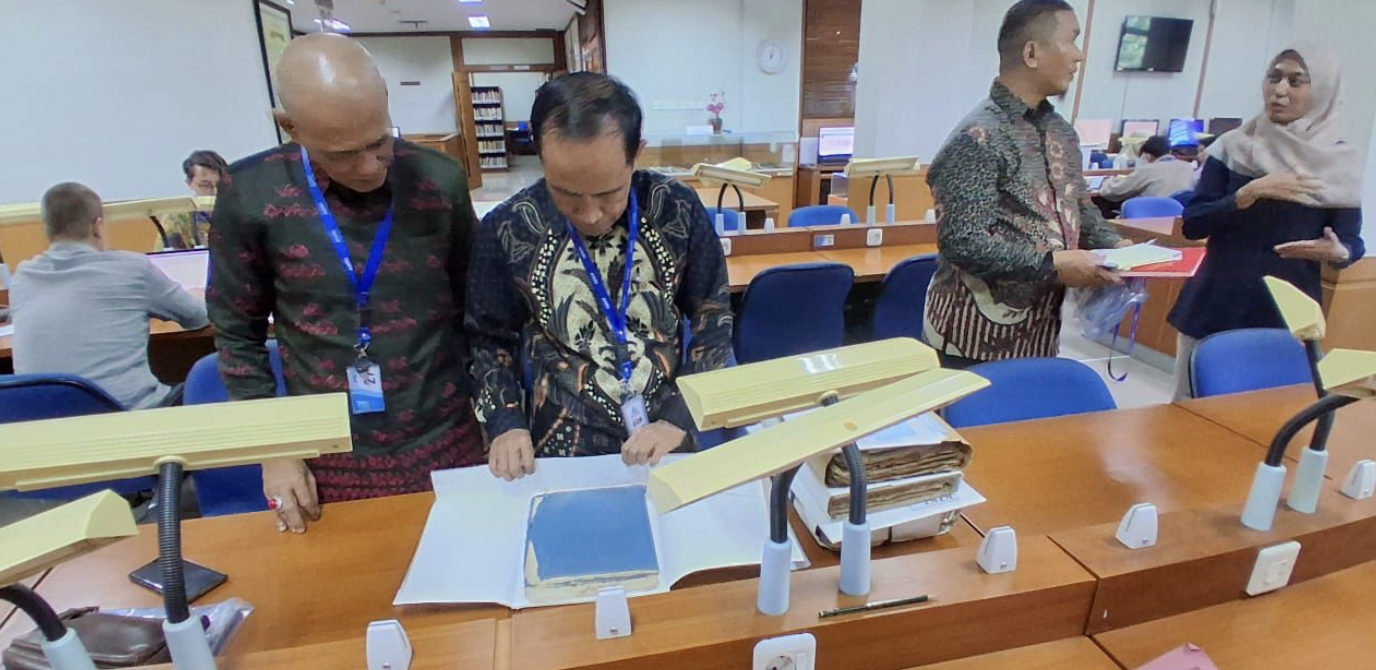

South Jakarta, DKI Jakarta, Indonesia – From April 21–23, 2026, a collaborative initiative between TRG-MCRG and the Cultural Office of Makassar City (Dinas Kebudayaan Kota Makassar) was carried out at the Arsip Nasional Republik Indonesia (ANRI), South Jakarta. This activity marked a significant step in strengthening historical research through the systematic exploration of colonial archives and local sources related to the Tallo Kingdom and the historical development of Makassar City.
The primary objective of this activity was to conduct an in-depth archival investigation focusing on colonial records and indigenous manuscripts that document the political, social, and cultural dynamics of the Tallo Kingdom as well as the evolution of Makassar as a strategic maritime city. These sources are essential in reconstructing historical narratives that have long been fragmented or underrepresented in mainstream historiography.
The research team consisted of 7 participants from the Cultural Office of Makassar City led by H. Andi Muhammad Natsir Halid, S.H., and 1 representative from Universitas Hasanuddin, Prof. Muhlis Hadrawi, a philology expert. The presence of Prof. Hadrawi added significant academic value, particularly in interpreting ancient texts and manuscripts written in classical scripts. The collaboration between governmental and academic institutions reflects a multidisciplinary approach in heritage research, combining administrative support with scholarly expertise.
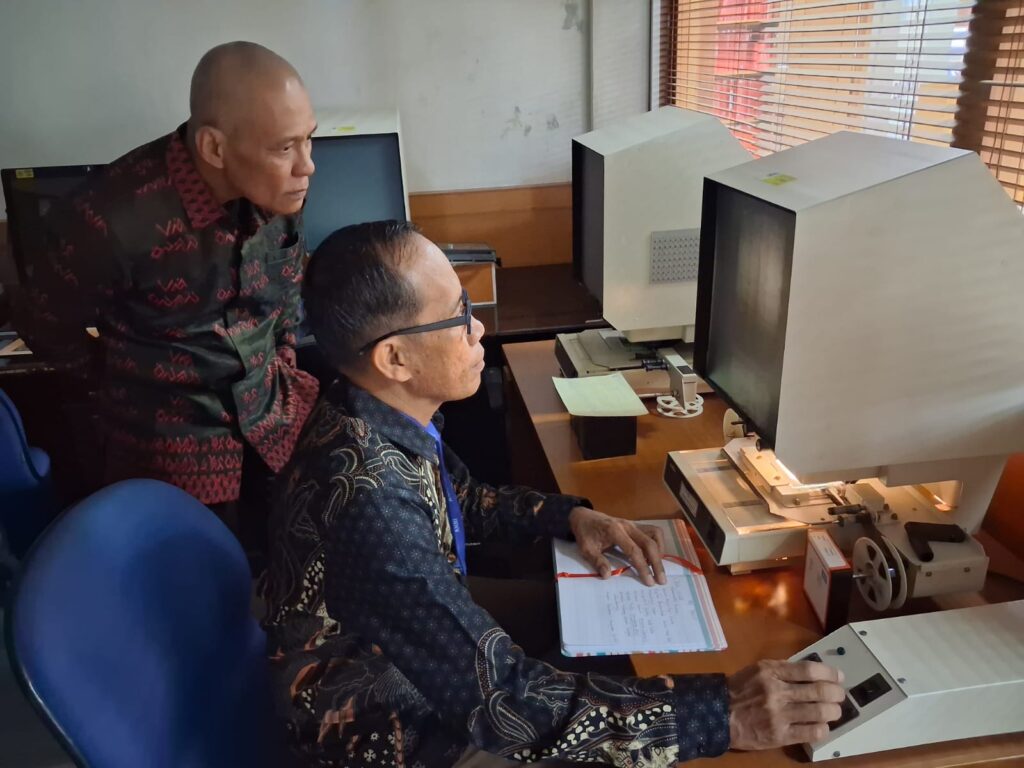
During the three-day program, the team engaged in catalog exploration, document identification, and preliminary analysis of archival materials preserved at ANRI. The archives examined include colonial administrative records, maps, correspondences, and early documentation of local governance structures. In parallel, the team also focused on identifying local sources that provide indigenous perspectives, ensuring a more balanced and inclusive historical understanding.
This activity is closely aligned with several Sustainable Development Goals (SDGs), particularly SDG 1 (No Poverty), SDG 4 (Quality Education), and SDG 17 (Partnerships for the Goals). By preserving and utilizing historical knowledge, this initiative contributes to community empowerment and cultural-based economic opportunities, which are essential aspects of poverty reduction (SDG 1). Furthermore, the documentation and dissemination of historical knowledge support educational development and cultural literacy (SDG 4), especially for future generations who rely on credible and well-researched sources. Most importantly, this collaboration highlights the importance of partnerships between local government institutions and universities (SDG 17), demonstrating how shared expertise can lead to impactful and sustainable outcomes.
In conclusion, this archival research initiative represents a vital effort to reconnect contemporary society with its historical foundations. By uncovering and interpreting both colonial and local sources, the program not only enriches academic discourse but also strengthens cultural identity and public awareness. The collaboration sets a strong precedent for future research endeavors, emphasizing that the preservation of history is not only an academic pursuit but also a strategic component of sustainable development.