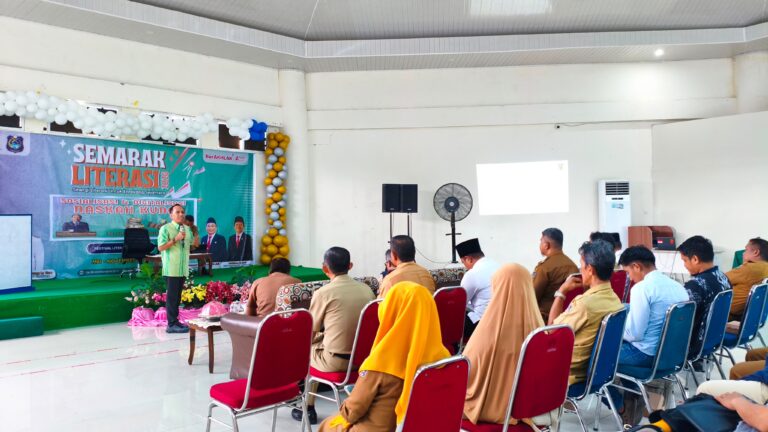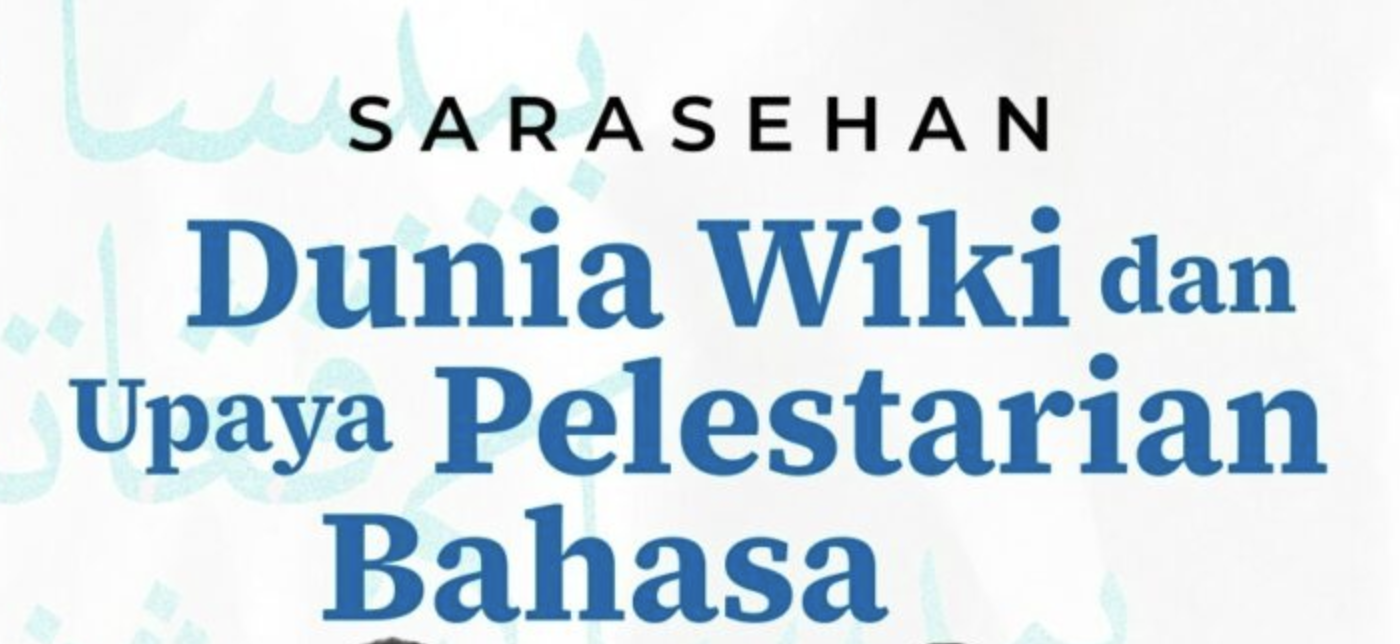

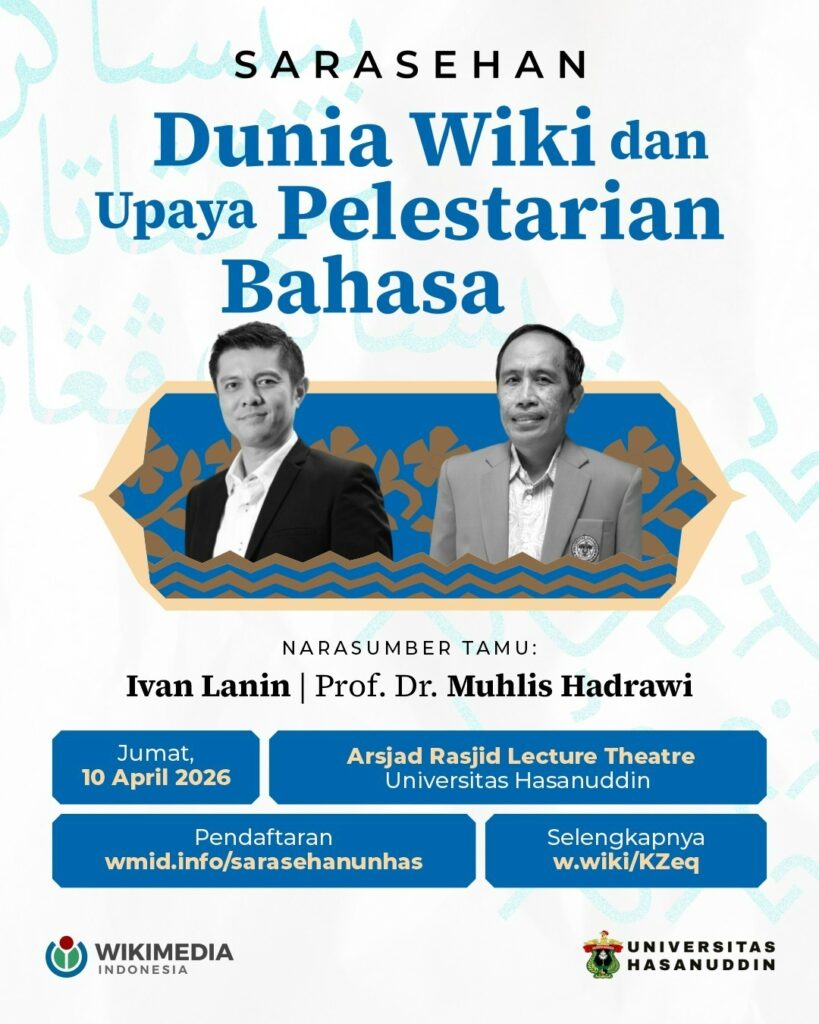
Makassar, South Sulawesi, Indonesia – On April 10, 2026, approximately 200 participants gathered at the Arsjad Rasjid Lecture Theatre, Universitas Hasanuddin, for an insightful public engagement event titled “Dunia Wiki and the Effort to Preserve Local Languages.” This activity was designed as a socialization forum to introduce Wiki-based projects while fostering collective awareness on the urgency of safeguarding local languages as an integral part of cultural heritage and knowledge systems.
The event featured Prof. Muhlis Hadrawi, Chair of the TRG Manuscript and Culture Research Group, as the keynote speaker. In his presentation, he emphasized that local languages are not merely communication tools, but repositories of indigenous knowledge, values, and identity. He highlighted the increasing risk of language extinction due to globalization, urbanization, and generational gaps, and positioned digital platforms such as Wiki as strategic instruments for documentation, dissemination, and revitalization efforts.
Through a narrative and interactive approach, participants were introduced to the “Dunia Wiki” ecosystem, particularly how collaborative knowledge platforms like Wikipedia and Wikimedia can be utilized to record, archive, and share linguistic and cultural resources. The session also demonstrated practical ways individuals, especially youth and academics, can contribute to preserving endangered languages by creating and editing digital content in their native tongues.
This initiative aligns strongly with several Sustainable Development Goals (SDGs). Primarily, it contributes to SDG 4: Quality Education, by promoting inclusive and equitable access to knowledge through open digital platforms. By empowering participants with the skills to document and share knowledge, the activity fosters lifelong learning opportunities beyond formal education systems.
Additionally, the program supports SDG 17: Partnerships for the Goals, as it encourages collaboration between academic institutions, cultural researchers, and digital communities. The collective effort to preserve language heritage requires multi-stakeholder engagement, and Wiki platforms serve as a bridge connecting these diverse actors in a shared mission.
Furthermore, the initiative touches upon SDG 1: No Poverty, particularly in its broader interpretation of poverty alleviation through knowledge equity. By enabling marginalized linguistic communities to have representation in global knowledge systems, the activity helps reduce informational disparities and promotes cultural inclusion, which are essential components of sustainable development.
Beyond these, the preservation of linguistic diversity also indirectly contributes to SDG 15: Life on Land, as cultural diversity is closely intertwined with biodiversity and traditional ecological knowledge. Local languages often encode environmental wisdom that is crucial for sustainable land management and conservation practices.
Overall, the “Dunia Wiki” activity not only served as an educational platform but also as a call to action. It encouraged participants to actively engage in digital knowledge production and to recognize their role in preserving linguistic and cultural heritage. By integrating technology, education, and collaboration, this initiative represents a meaningful step toward building a more inclusive and sustainable future.