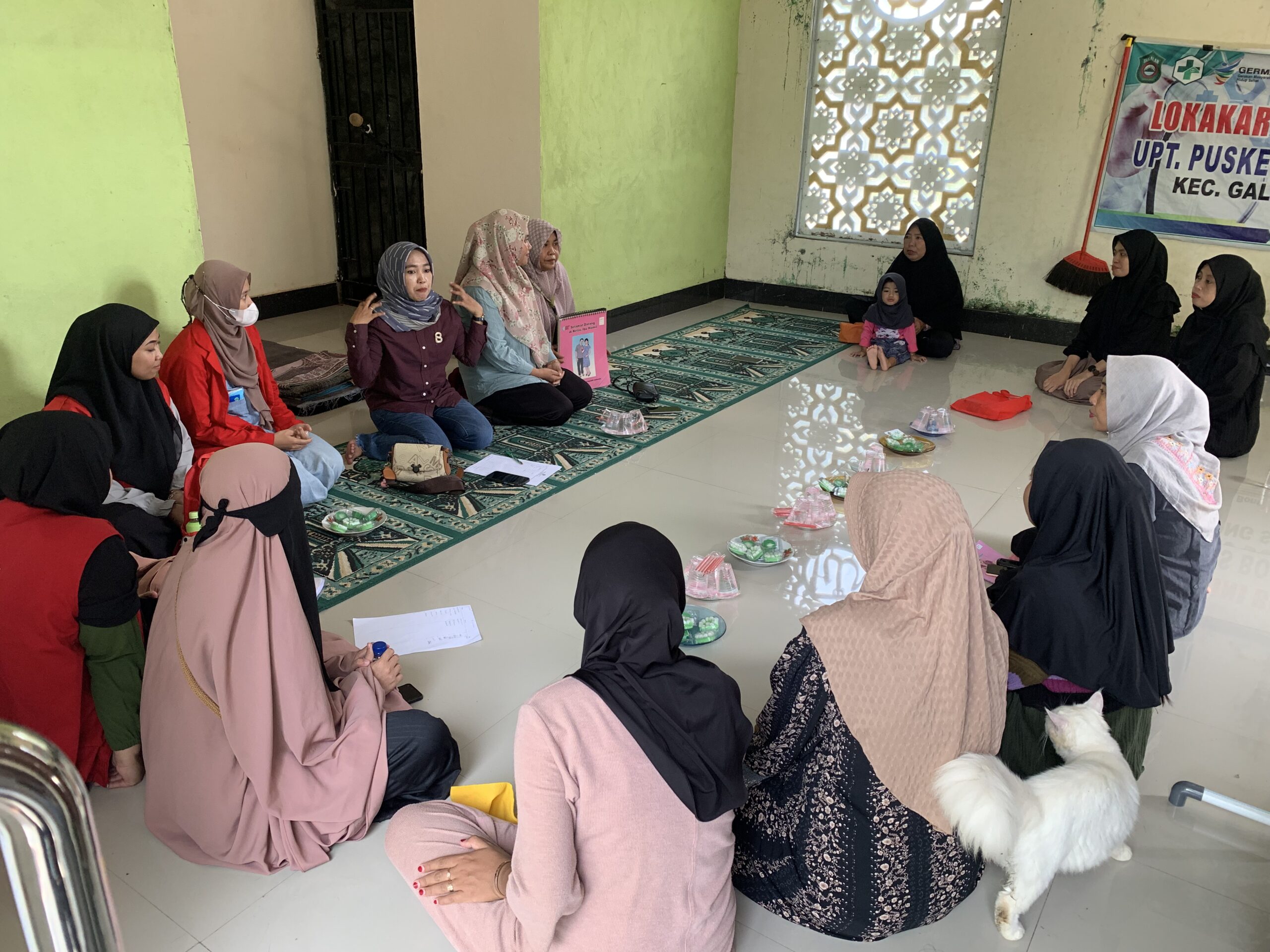

Takalar, 2025 — Afifah Zahra (NIM K021211004), a student of the Nutrition Science Study Program, Faculty of Public Health, Hasanuddin University, conducted research entitled “Overview of the Utilization of Maternal and Child Health (KIA) Books among Pregnant Women in South Galesong and North Galesong Districts, Takalar Regency.” The research was conducted as part of the Thematic Research Group (TRG) on Maternal and Child Health, led by Prof. Veni Hadju, with Dr. Hasan Basri as a member of the research team.
The study was motivated by the importance of the Maternal and Child Health (KIA) Handbook as a source of information and an educational and communication tool for pregnant women, families, and health workers. The KIA handbook contains important information related to pregnancy care, maternal and child health, pregnancy risk detection, and the utilization of antenatal care (ANC) services. Optimizing its use can support pregnant women and families in recognizing potential health risks and accessing appropriate health services.
This descriptive study was conducted from February to April 2025, involving 200 pregnant women from four Community Health Centers (Puskesmas) in the coastal areas of South Galesong and North Galesong Districts, Takalar Regency.
The results showed that the majority of pregnant women had good knowledge (80%), a positive attitude (81.5%), and high self-efficacy (88.5%) regarding the use of the KIA handbook. However, despite these favorable conditions, 57.5% of respondents demonstrated suboptimal utilization behavior. This finding indicates that good knowledge, positive attitudes, and high confidence do not automatically result in optimal use of the KIA handbook.
The findings highlight the important role of health workers in providing continuous education and guidance on the content and practical use of the KIA handbook. The handbook should not be viewed merely as a medical record, but also as a communication and education medium that can strengthen interaction between pregnant women, their families, and health workers.
Optimizing KIA handbook utilization can support early detection of pregnancy risks, improve mothers’ understanding of pregnancy care, and encourage better-quality ANC visits. Therefore, efforts to strengthen the KIA program should include not only the provision of the handbook but also effective education and assistance to ensure that mothers understand and actively use the information provided.
The research received ethical approval from the Research Ethics Commission of the Faculty of Public Health, Hasanuddin University. The activity produced an undergraduate thesis (skripsi) and a scientific article, providing academic evidence that can be used as a reference for strengthening maternal health education and the KIA program at the regional level.
This research contributes primarily to SDG 3: Good Health and Well-being, particularly through strengthening maternal health education, early detection of pregnancy risks, and utilization of maternal health services. It also supports SDG 4: Quality Education by promoting access to accurate and understandable health information for pregnant women and families.
Overall, the research conducted by Afifah Zahra, under the TRG led by Prof. Veni Hadju with Dr. Hasan Basri as a member of the research team, provides important evidence that improving the actual utilization of the KIA handbook requires continuous education, effective communication, and active guidance from health workers.
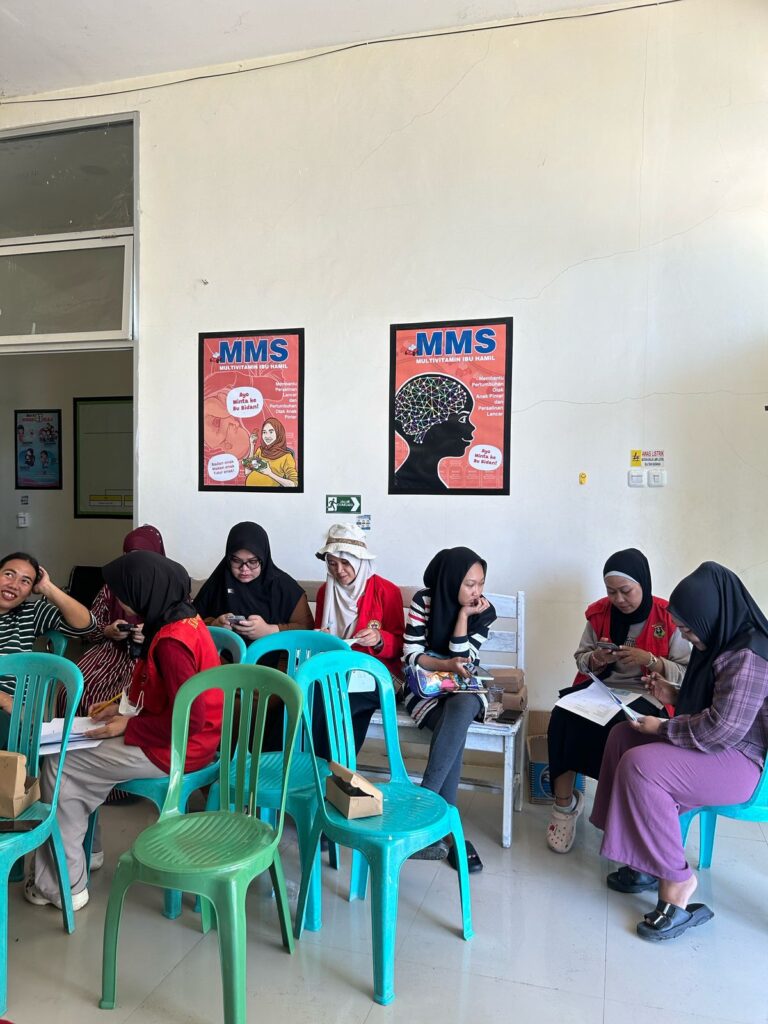
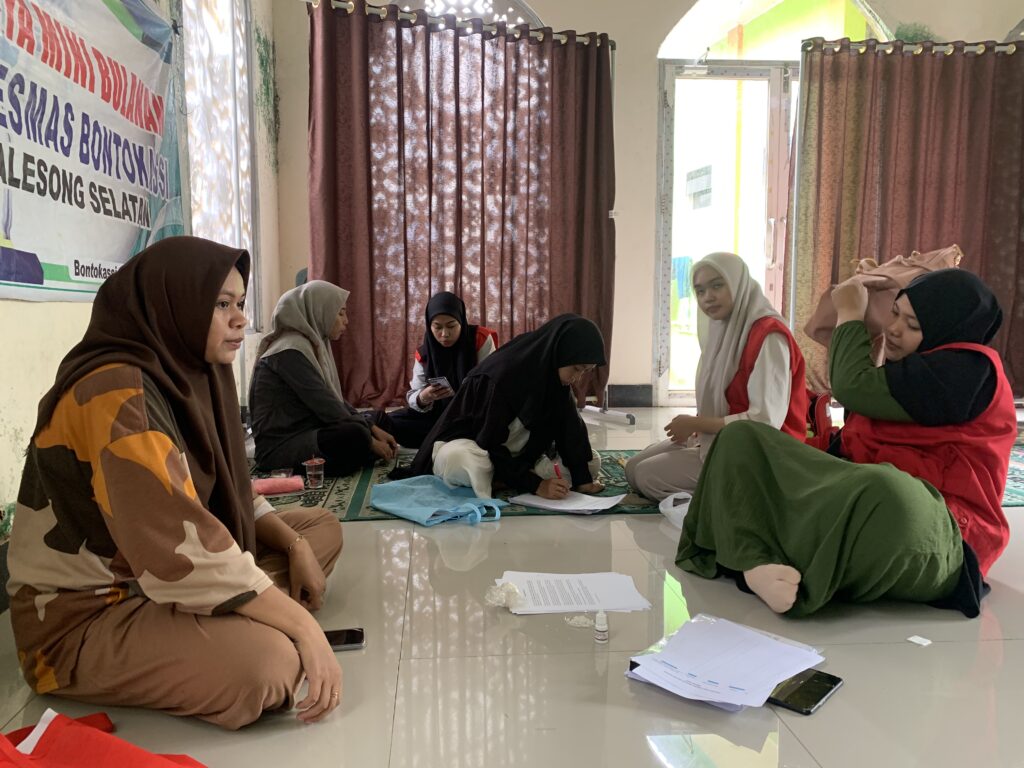
Interview Process
Salt Iodine