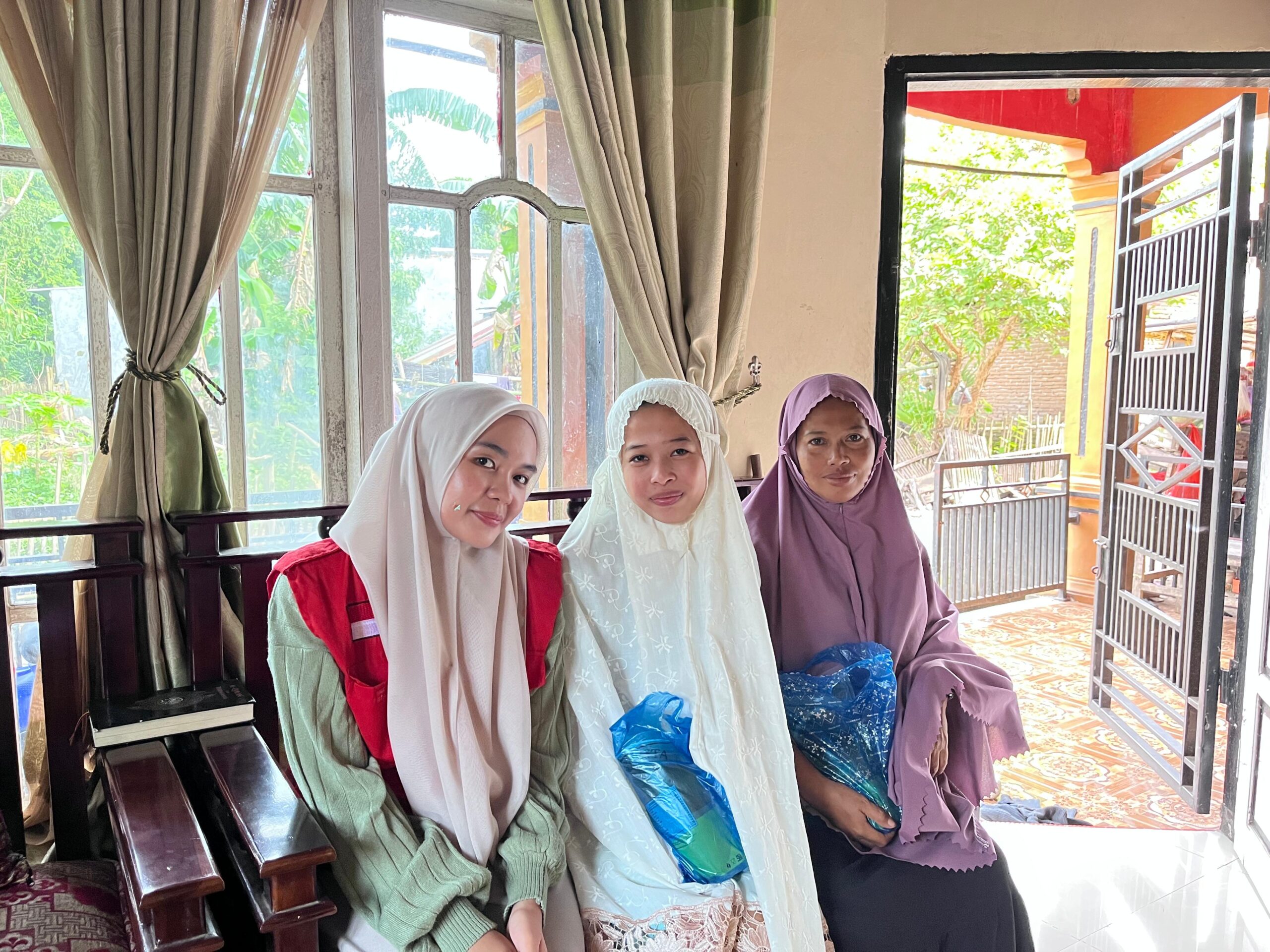

Takalar Regency, South Sulawesi, Indonesia — Nurul Fadhilah Aksa, a student in the Nutrition Science Study Program, Faculty of Public Health, Hasanuddin University, conducted thesis research entitled “The Relationship between Knowledge and Attitudes of Pregnant Women towards Compliance with Iron Supplement Tablet (IST) Consumption in the Working Area of the Galesong Selatan Community Health Center, Takalar Regency.” The research focused on the role of pregnant women’s knowledge and attitudes in determining compliance with iron supplement consumption, an important issue in efforts to prevent anemia during pregnancy.
Anemia among pregnant women remains an important maternal nutrition concern because it can have consequences for the health of both mothers and fetuses. Iron supplementation is one of the strategies used to prevent and address anemia during pregnancy. However, ensuring that pregnant women consume iron tablets as recommended remains a challenge. Individual knowledge and attitudes may influence how women understand the importance of supplementation and their willingness to follow recommended practices.
Session focus: Strengthening maternal nutrition and anemia prevention through improved knowledge, attitudes, and compliance with iron supplement consumption.
The study involved 64 pregnant women in their second and third trimesters in the working area of Galesong Selatan Community Health Center (Puskesmas), Takalar Regency. The research examined the relationship between knowledge, attitudes, and compliance with Iron Supplement Tablets (IST) consumption among pregnant women.
The findings showed that 59.4% of pregnant women had good knowledge regarding iron supplementation, while 60.9% demonstrated a positive attitude toward iron tablet consumption. However, only 60.9% of respondents were compliant with taking iron supplement tablets as recommended. Statistical analysis using the Chi-square test showed a significant relationship between knowledge and compliance (p = 0.001) and between attitude and compliance (p = 0.001). These findings indicate that pregnant women with better knowledge and more supportive attitudes toward iron supplementation tended to demonstrate better compliance.
The research highlights the importance of strengthening ongoing and accessible nutrition education through health workers at Puskesmas and Posyandu cadres. Interpersonal communication, group counseling, and integration of nutrition education into routine antenatal care (ANC) visits can help improve pregnant women’s understanding and attitudes toward anemia prevention. Family involvement, particularly support from husbands and parents, can also help create an environment that encourages pregnant women to follow iron supplementation recommendations.
The study provides practical recommendations for strengthening iron supplementation programs through increased intensity and quality of health education, including the use of visual educational media and culturally appropriate communication approaches. These strategies are particularly relevant for improving maternal nutrition in coastal communities where local social and cultural factors may influence health behaviors.
The research contributes primarily to SDG 3: Good Health and Well-being by supporting efforts to prevent anemia and improve maternal health through better adherence to iron supplementation. It also supports SDG 2: Zero Hunger by addressing micronutrient deficiencies and promoting adequate nutritional intake during pregnancy. The emphasis on health education and improved knowledge also contributes to SDG 4: Quality Education through the dissemination of evidence-based nutrition information.
Overall, the research conducted by Nurul Fadhilah Aksa provides evidence that pregnant women’s knowledge and attitudes are important factors associated with compliance with iron supplement consumption. The findings can support the development of more targeted maternal nutrition education and anemia prevention strategies through collaboration between health workers, Posyandu cadres, families, and the wider community.
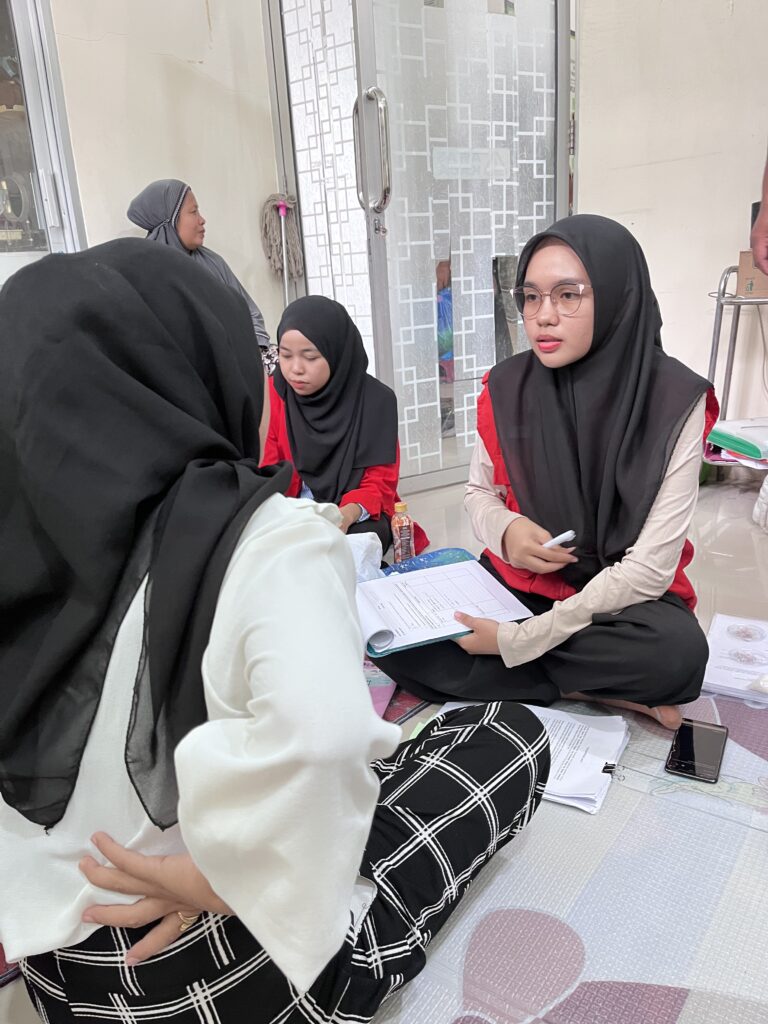
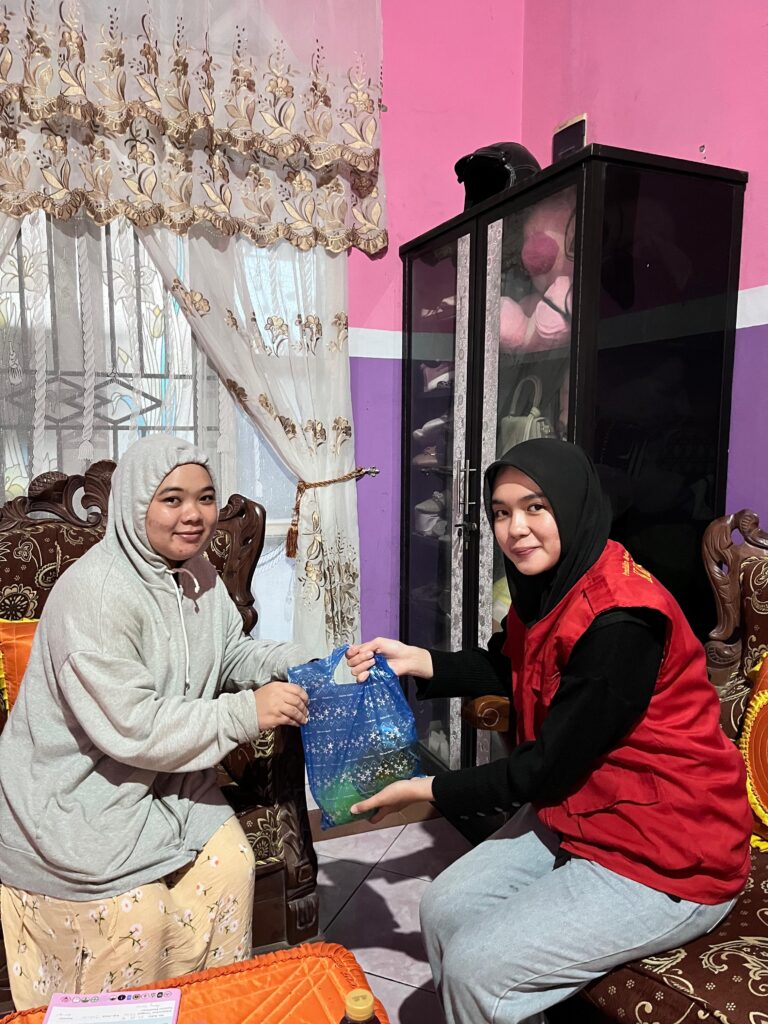
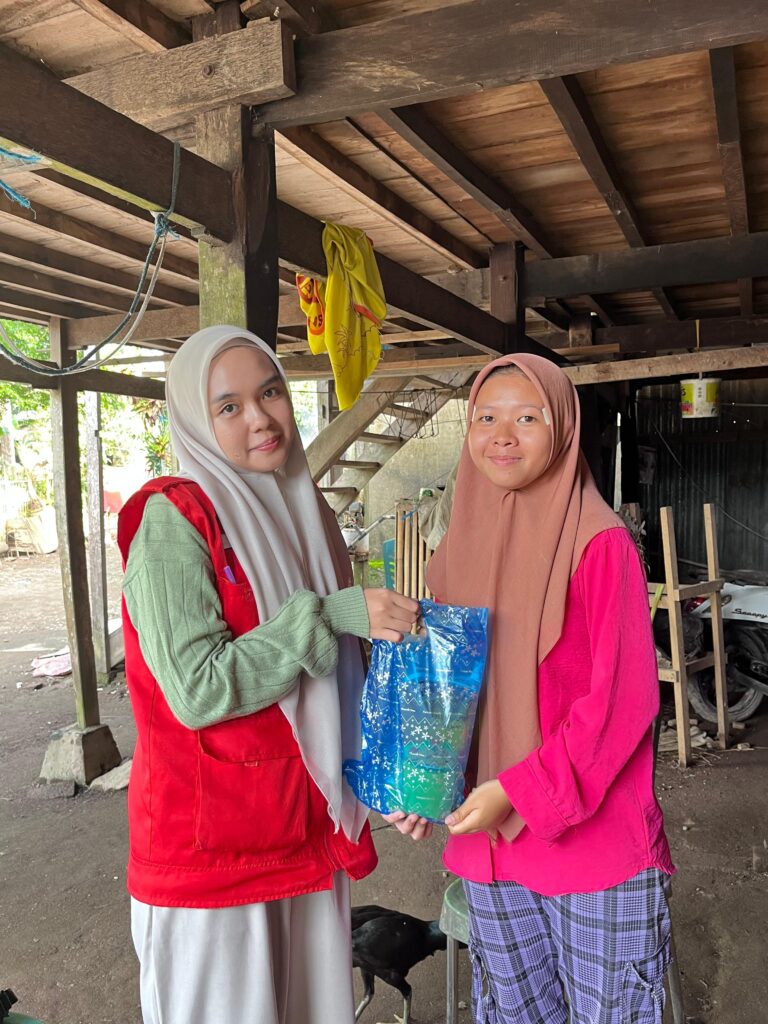
Interview Process
Food Contact Materials/FCMs
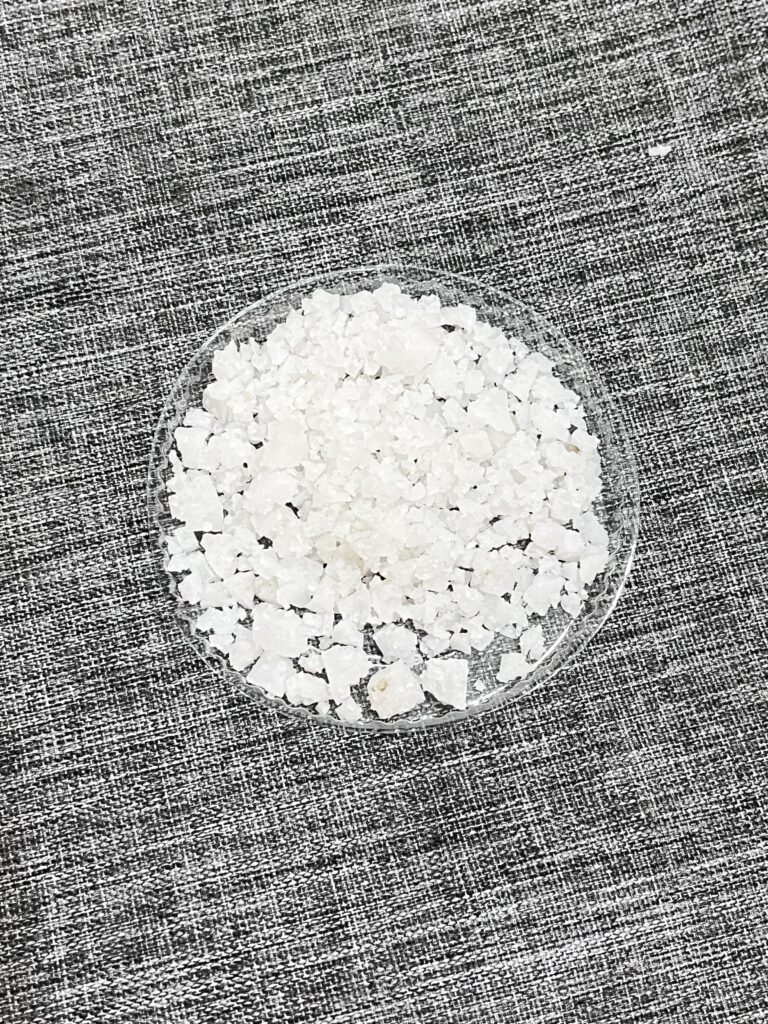
Salt Iodine