Cardiovascular disease (CVD) remains the leading cause of death worldwide, driven by risk factors such as high cholesterol, hypertension, diabetes, and chronic inflammation. While modern medicine offers powerful interventions, there is growing interest in natural compounds that can complement conventional therapies. Among these, algae both marine and freshwater have emerged as a promising source of cardioprotective agents. Rich in bioactive molecules, algae offer antimicrobial, antioxidant, lipid-lowering, anticoagulant and anti-inflammatory properties that directly support heart health. This potential makes algae particularly relevant to Sustainable Development Goal (SDG) 3: Good Health and Well-being, which promotes healthy lives and well-being for people of all ages.
Algae are abundant in polysaccharides, carotenoids, polyphenols, omega‑3 fatty acids, and sterols. These compounds act synergistically to protect cardiovascular function. For example, fucoxanthin, a carotenoid from brown algae, has been shown to reduce blood lipid levels and improve endothelial function. Similarly, spirulina (blue-green algae) contains phycocyanin and γ-linolenic acid, which exhibit antioxidant and anti-inflammatory effects, crucial for preventing atherosclerosis.
One of the most important cardioprotective roles of algae is their ability to regulate lipid metabolism. Elevated LDL cholesterol and triglycerides are major drivers of atherosclerosis. Algal sterols, particularly fucosterol and β-sitosterol, compete with dietary cholesterol for absorption in the intestine, thereby lowering serum cholesterol levels. Spirulina supplementation has been associated with increased HDL cholesterol, the “good” lipoprotein that helps clear excess cholesterol from arteries. This lipid-balancing effect reduces plaque formation and improves vascular health.
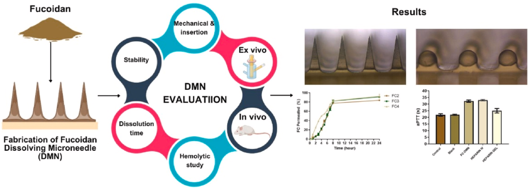
Chronic inflammation and oxidative stress accelerate cardiovascular damage. Algal compounds such as phycocyanin, astaxanthin, and fucoidan act as potent antioxidants, neutralizing free radicals that damage blood vessels. They also modulate inflammatory pathways, reducing cytokines like TNF‑α and IL‑6. By dampening inflammation, algae help stabilize arterial walls and prevent rupture of vulnerable plaques, lowering the risk of heart attack and stroke.
Hypertension is another critical risk factor for CVD. Algal peptides derived from spirulina and chlorella have demonstrated ACE‑inhibitory similar to the mechanism of common antihypertensive drugs. By inhibiting angiotensin‑converting enzyme, these peptides reduce vasoconstriction and promote relaxation of blood vessels, leading to lower blood pressure. Fucoidan and other polysaccharides also enhance nitric oxide production, improving endothelial function and vascular elasticity.
Beyond direct cardiovascular effects, algae contribute to overall metabolic health. Spirulina and chlorella improve insulin sensitivity, reduce blood glucose, and support weight management. Since diabetes and obesity are major contributors to heart disease, these metabolic benefits indirectly strengthen cardiovascular resilience. Moreover, algae provide essential micronutrients such as magnesium and potassium, which are vital for maintaining normal heart rhythm and blood pressure.
Algae are not only effective but also sustainable. They can be cultivated in diverse environments, requiring minimal resources compared to traditional crops. This makes algae-based cardioprotective supplements accessible and eco-friendly, aligning with global goals for sustainable health solutions. Their versatility allows incorporation into powders, capsules, functional foods, and even bioengineered nutraceuticals.
Despite promising evidence, challenges remain. Variability in algal species, cultivation conditions, and extraction methods can affect consistency of bioactive compounds. Most studies are preclinical or small-scale human trials; large randomized clinical trials are needed to confirm efficacy and safety. Standardization of algal supplements and integration into clinical guidelines will be crucial for widespread adoption.
Conclusion
Algae represent a natural, sustainable, and multifaceted approach to cardiovascular protection. By lowering cholesterol, reducing inflammation, improving vascular function, and supporting metabolic health, algae-derived compounds such as fucoxanthin, phycocyanin, and fucosterol act as powerful allies against heart disease. As research advances, algae may become a cornerstone of preventive cardiology, offering a green shield for the heart that blends nature’s wisdom with modern science.
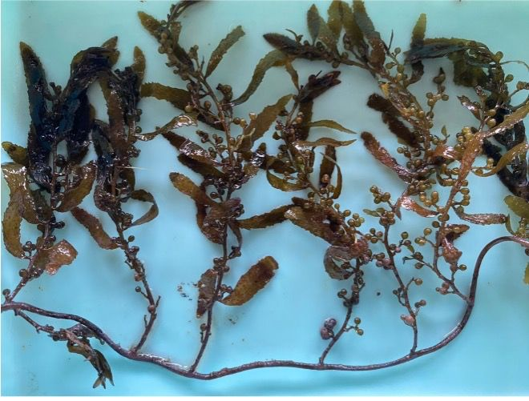
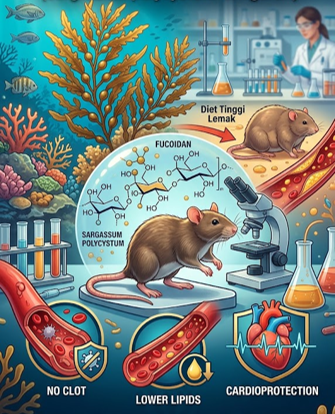
Article title : Evaluation of Fucoidan Compounds of Brown Algae (Sargassum polycystum C. Agardh) as Anticoagulant, Antihyperlipidemic and Potential Cardioprotective Activity in Wistar Rats (Rattus norvegicus) induced by a High Fat Diet
Journal Name: Prostaglandine and Other Lipid Mediator
Publisher : Science Direct
Publishing Date : July 16th , 2026