
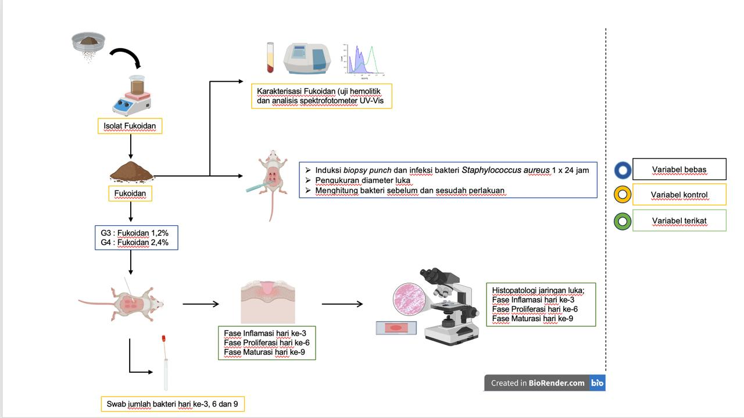
Wound healing is a vital biological process that restores the integrity of damaged tissue. It unfolds through four overlapping phases: hemostasis, inflammation, proliferation, and remodeling. When wounds are complicated by bacterial infection, this process is disrupted. Pathogens such as Staphylococcus aureus and Pseudomonas aeruginosa prolong inflammation, damage tissue, and delay angiogenesis, leading to chronic wounds that resist conventional treatment. In recent years, algae have emerged as a promising natural resource for combating infection and accelerating wound repair, offering a sustainable alternative to synthetic drugs. This innovation is closely connected to Sustainable Development Goal (SDG) 3: Good Health and Well-being, which seeks to improve health outcomes and access to effective healthcare.
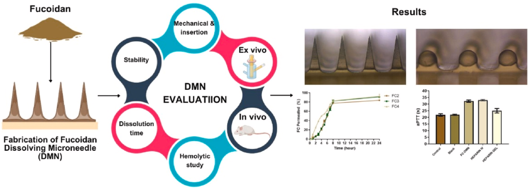
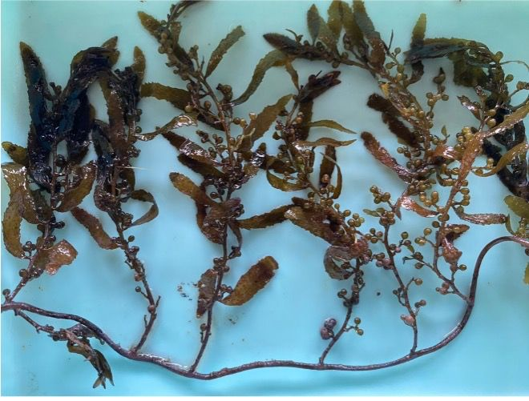
Algae, both marine and freshwater, are rich in bioactive compounds including polysaccharides, pigments, fatty acids, and polyphenols. These molecules exhibit antimicrobial, antioxidant, and immunomodulatory properties, making them particularly relevant in the context of infected wounds. Among them, fucoidan, a sulfated polysaccharide from brown algae, has been widely studied. Fucoidan not only inhibits bacterial growth but also stimulates endothelial cell migration and angiogenesis. This dual action—controlling infection while promoting vascularization—creates a favorable environment for granulation tissue formation and faster closure of wounds.
Blue-green algae such as spirulina contribute additional benefits. Spirulina contains phycocyanin, carotenoids, and γ-linolenic acid, compounds known for their antioxidant and anti-inflammatory effects. In infected wounds, oxidative stress exacerbates tissue damage. Spirulina extracts reduce reactive oxygen species, modulate inflammatory cytokines, and enhance fibroblast activity. These actions improve collagen deposition and extracellular matrix integrity, crucial for the maturation phase of healing. Spirulina’s nutritional profile also supports systemic immunity, indirectly aiding the body’s defense against bacterial invasion.
Green algae, notably Chlorella vulgaris, provide another dimension to wound care. Chlorella is rich in chlorophyll, peptides, and growth-promoting factors. Studies suggest that Chlorella extracts enhance macrophage activity, facilitating bacterial clearance and resolution of inflammation. Furthermore, Chlorella stimulates the expression of growth factors such as VEGF and TGF-β, which are essential for angiogenesis and epithelialization. By bridging infection control with regenerative signaling, Chlorella helps restore balance in the wound microenvironment.
Beyond extracts, algae-derived biomaterials are being integrated into advanced wound dressings. Hydrogels and films incorporating algal polysaccharides maintain a moist environment conducive to healing while delivering antimicrobial agents directly to the wound bed. Chitosan-based dressings enriched with algal compounds demonstrate synergistic effects: chitosan provides structural support and hemostatic properties, while algae contribute antimicrobial and regenerative bioactivity. Such engineered materials reduce bacterial load, accelerate tissue regeneration, and minimize scarring.
The ecological and economic advantages of algae further strengthen their appeal. Algae are abundant, renewable, and can be cultivated sustainably, offering a cost-effective source of therapeutic compounds. Their versatility allows for applications ranging from topical gels and sprays to bioengineered scaffolds. This positions algae not only as a scientific curiosity but as a practical solution for global health challenges, particularly in regions where access to advanced wound care is limited.
Nevertheless, challenges remain. Variability in algal species, cultivation conditions, and extraction methods can affect the consistency of bioactive compounds. Stability during storage and delivery is another concern. Most current evidence comes from laboratory and animal studies, with limited clinical trials in humans. To establish algae as mainstream wound therapeutics, standardized protocols and rigorous clinical evaluations are essential. Collaboration between biologists, clinicians, and material scientists will be key to translating laboratory promise into bedside practice.
In conclusion, algae represent a versatile and sustainable source of bioactive compounds with significant potential in the treatment of bacteria-infected wounds. By combining antimicrobial, anti-inflammatory, and regenerative properties, algal extracts such as fucoidan, spirulina, and Chlorella offer a biologically relevant alternative to conventional therapies. Their incorporation into advanced wound dressings may provide a holistic approach to infection control and tissue repair, ultimately improving patient outcomes. As research advances, algae could become a cornerstone of next-generation wound management strategies, blending natural resilience with modern biomedical innovation.
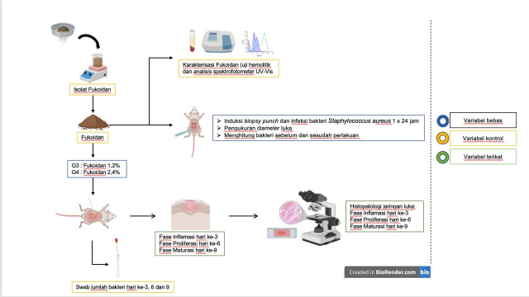
Article title : Characterization and Wound-Healing Effects of Fucoidan from Sargassum polycystum Collected in South Sulawesi in a Staphylococcus aureus-Infected Rat Model
Journal Name : Marine Biotechnology
Publisher : Springer Nature Link
Date of Publishing : July 21st , 2026