


Makassar, 21 May 2026/hncd–Managing type 2 diabetes is often described as a lifelong journey rather than a short-term treatment. For millions of people worldwide, daily decisions about food, exercise, medication, sleep, and stress management can significantly influence their health outcomes. Yet many patients still struggle to maintain consistent self-care routines. A recent systematic review published in Healthcare highlights an important message: diabetes management becomes more effective when patients are supported not only medically, but also emotionally, behaviorally, and socially through self-regulation and family involvement.
The article, titled “An Integrative Model of Self-Regulation in Type 2 Diabetes Self-Management: A Systematic Review of Individual and Family-Based Interventions”, reviewed 31 international studies examining how self-regulation strategies can improve diabetes self-management. Published by MDPI in the journal Healthcare on 10 December 2025, the review analyzed interventions ranging from Diabetes Self-Management Education (DSME) programs to family-centered coaching, mobile health education, and emotional regulation training.
The findings revealed that patients who received self-regulation-based interventions showed improvements in self-care behavior, blood glucose control, self-efficacy, emotional well-being, and quality of life. Importantly, interventions that included family participation often produced stronger and more sustainable outcomes. Family members helped patients maintain healthy eating habits, medication adherence, and emotional motivation during the long-term management process.
Self-regulation refers to a person’s ability to monitor and control thoughts, emotions, and behaviors in order to achieve health goals. In diabetes care, this includes setting realistic goals, monitoring blood sugar, coping with stress, and staying motivated even when challenges arise. According to the review, many patients experience difficulties not because they lack information, but because maintaining healthy behaviors consistently is psychologically demanding.
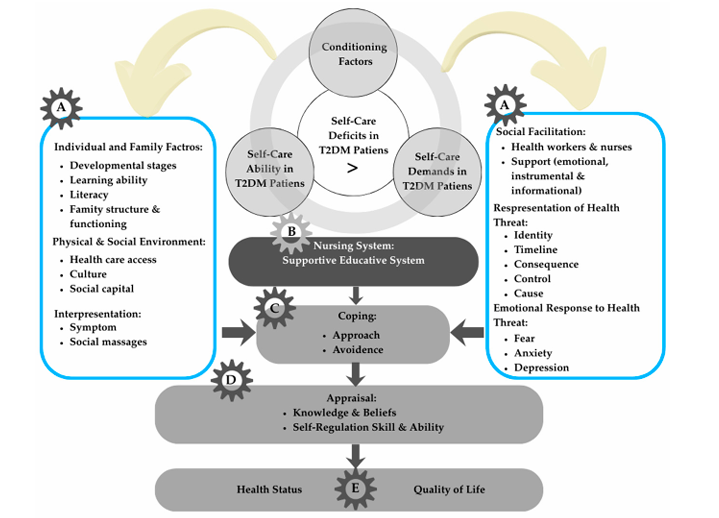
One particularly valuable contribution of the study is the development of a new integrative model connecting disease understanding, coping strategies, self-care behavior, and family support. The model demonstrates that successful diabetes management cannot rely solely on medication or clinic visits. Instead, effective care requires collaboration between healthcare providers, patients, and families in building sustainable daily habits.
This publication strongly relates to several Sustainable Development Goals (SDGs). First, it supports SDG 3: Good Health and Well-Being by promoting better chronic disease management and improving quality of life for people living with diabetes. Second, it contributes to SDG 4: Quality Education through patient education programs that empower individuals with practical health knowledge and decision-making skills. Third, the study aligns with SDG 17: Partnerships for the Goals, emphasizing collaboration between healthcare professionals, families, communities, and researchers to improve public health outcomes.
Globally, type 2 diabetes continues to rise rapidly, especially among populations with limited access to healthcare resources. The review reminds us that addressing diabetes is not only a medical responsibility but also a social and educational effort. Empowering patients with self-regulation skills and strengthening family support systems may become one of the most effective strategies for reducing diabetes complications in the future.
Reference
DOI: https://doi.org/10.3390/healthcare13243230
Contact:
Elly Lilianty Sjattar
ellylilianty@unhas.ac.id


