
Lessons from Japan’s experience in dealing with major disasters could help Indonesian universities strengthen their role in turning scientific research into practical measures to reduce disaster risks, a Hasanuddin University (UNHAS) researcher has said.
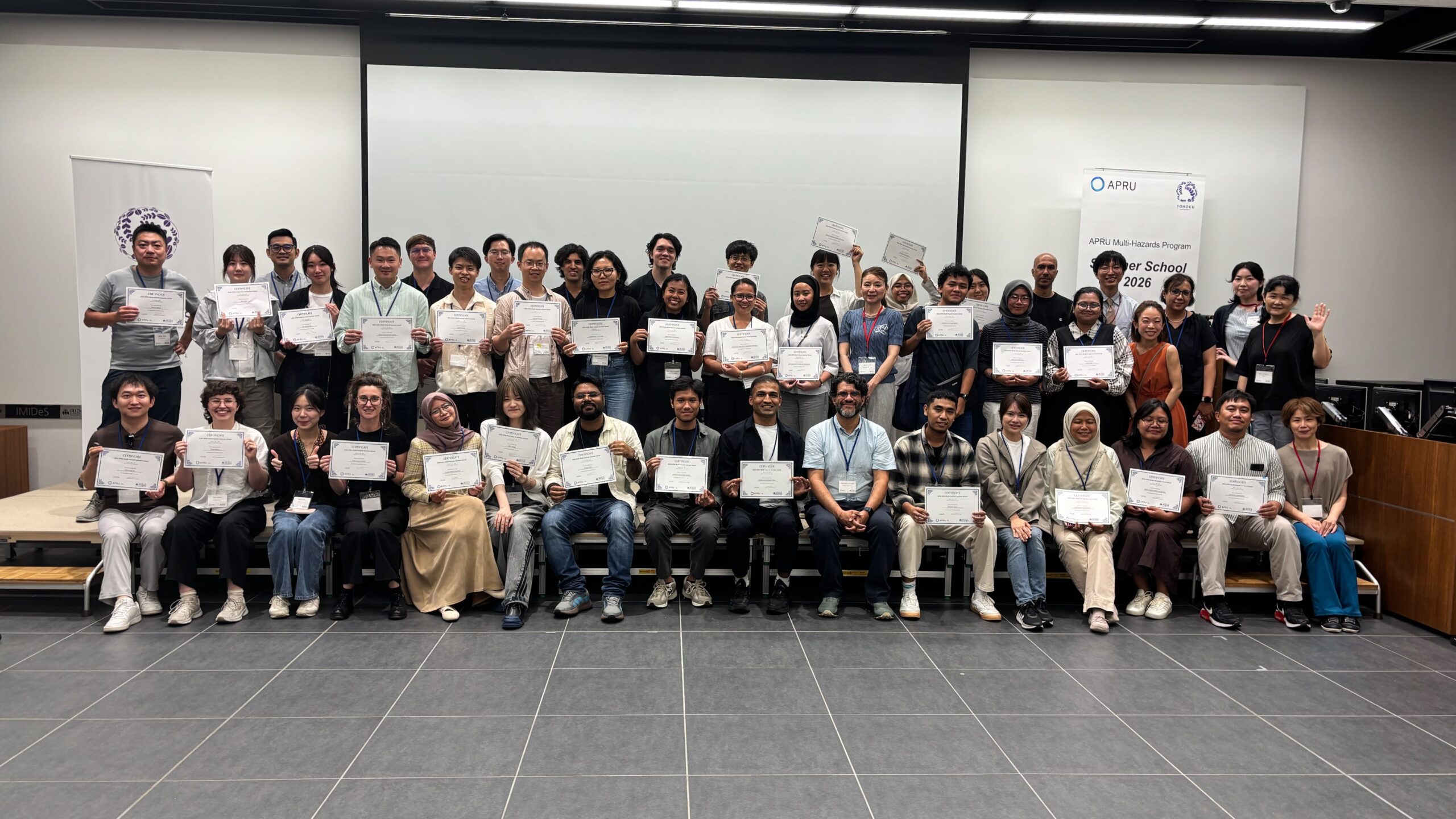
Saaduddin, Ph.D., a lecturer at the Department of Geophysics, Faculty of Mathematics and Natural Sciences (FMIPA), took part in the APRU Multi-Hazards Summer School 2026, held at Tohoku University in Japan from July 29 to Aug. 1.
Organized by the International Research Institute of Disaster Science (IRIDeS), Tohoku University, the four-day program brought together around 50 participants from more than 20 countries, many of them early-career researchers working on disaster science and disaster risk reduction (DRR).
The program placed particular emphasis on lessons learned from the 2011 Great East Japan Earthquake and Tsunami, which has become a major reference for disaster research, preparedness and recovery worldwide. Participants discussed how Japan’s experience has shaped approaches to disaster mitigation, emergency response, reconstruction and long-term community resilience.
“Through this summer school, I gained valuable insights into disaster management across the pre-disaster, emergency response and post-disaster phases,” Saaduddin said.
“One important lesson that can be applied at Hasanuddin University is the need to strengthen the university’s role in disseminating scientific knowledge and improving disaster literacy among communities,” he added.
Bridging science and disaster mitigation
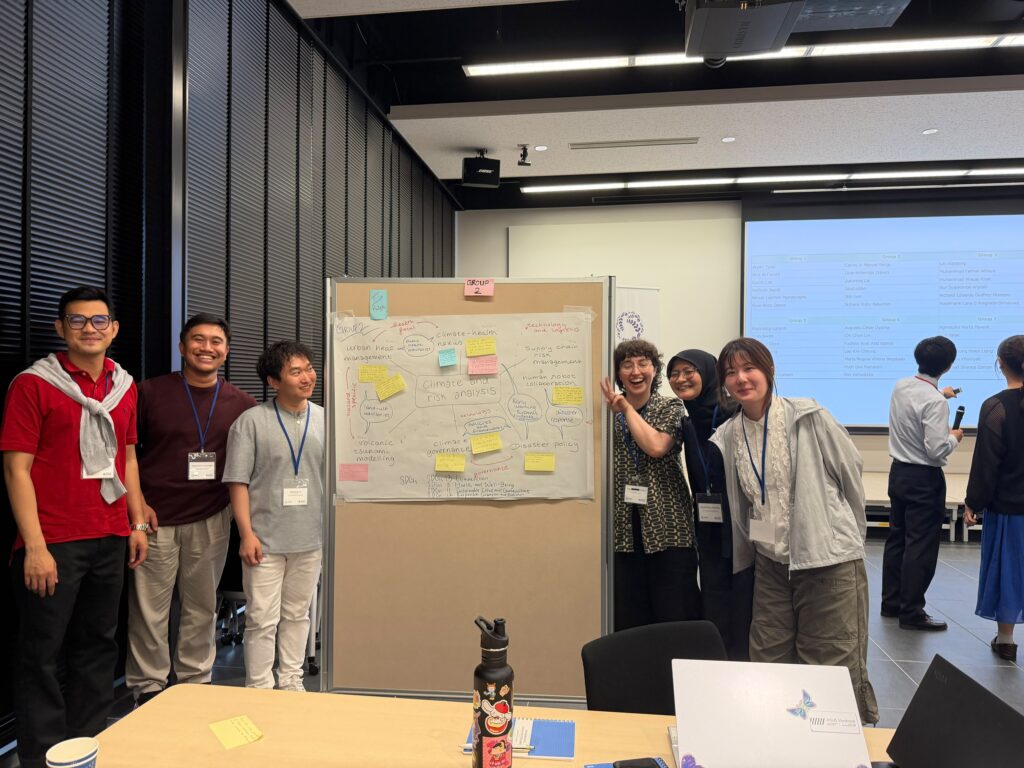
The second day of the program examined the roles of local governments, non-governmental organizations and academic institutions in disaster risk reduction. Discussions highlighted the need to move beyond sectoral approaches, with participants examining how governments, researchers and communities could work together to translate scientific knowledge into effective disaster preparedness measures.
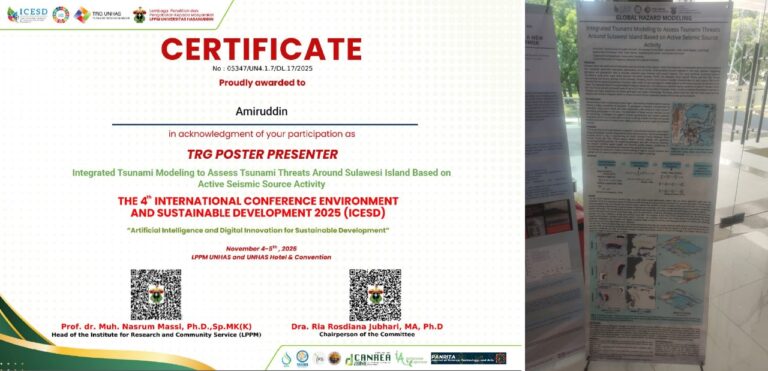
For Saaduddin, such an approach is particularly relevant to UNHAS, where research on natural hazards continues to develop across different disciplines. He said research produced by the Global Hazard Modelling Thematic Research Group (TRG) could, for example, be further disseminated as part of disaster mitigation efforts.
Studies on earthquakes, tsunamis and other geophysical hazards should not end with scientific publications, he said, but could be translated into hazard information and educational materials that are accessible to local governments and communities.
“Research findings from the Global Hazard Modelling TRG have the potential to be disseminated to communities and relevant stakeholders as part of disaster mitigation. Scientific information needs to be communicated in a form that people can understand and use to improve preparedness,” Saaduddin said.
Such research dissemination could help communities better understand the hazards they face and support risk-informed preparedness, thereby helping to minimize the potential impacts of future disasters. The approach could also strengthen collaboration between UNHAS and regional disaster management agencies (BPBD), particularly in areas such as hazard assessment, disaster literacy, community outreach and science-based mitigation.
Technology and lessons from Onagawa
Another focus of the summer school was the increasing use of artificial intelligence and big data in disaster risk reduction. Participants explored how emerging technologies and large datasets could improve hazard and risk assessments, early-warning systems and decision-making before and during disasters.
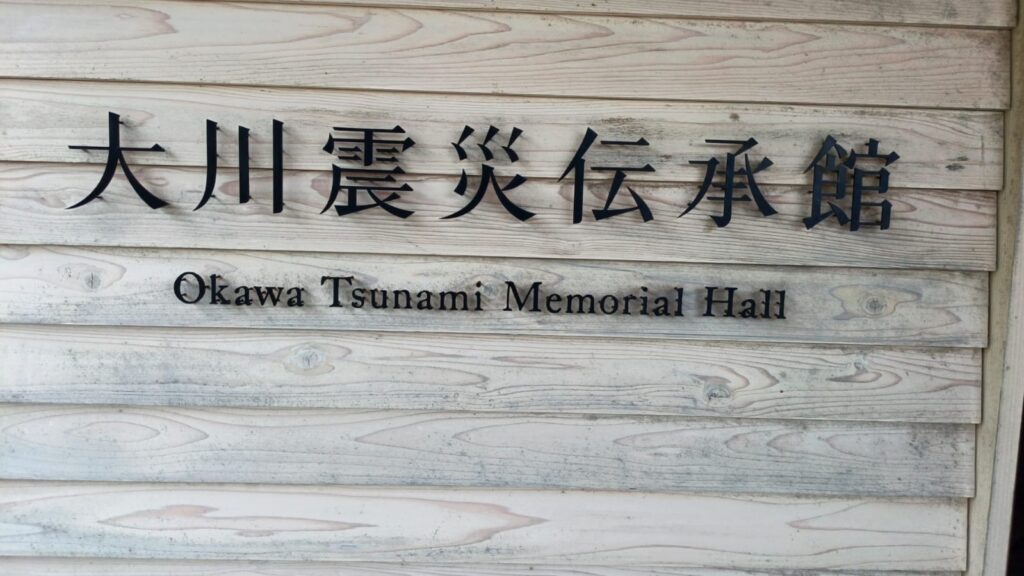
The program concluded with a field visit to Onagawa, a coastal town that was severely affected by the 2011 earthquake and tsunami. The visit allowed participants to observe how disaster recovery and reconstruction were integrated with long-term efforts to strengthen community resilience. It also provided insights into how memories and lessons from past disasters can be preserved and incorporated into future risk reduction strategies.
Saaduddin said Japan’s experience demonstrated that disaster resilience depended not only on infrastructure and technology, but also on sustained cooperation among researchers, governments, civil society and local communities. The summer school also provided participants with opportunities to establish international research networks and exchange perspectives with young researchers from different countries. For UNHAS, Saaduddin said, such networks could pave the way for future collaboration in multi-hazard assessment, hazard modelling, disaster education and community-based disaster risk reduction, while helping ensure that scientific research generates a more tangible impact beyond academia.