


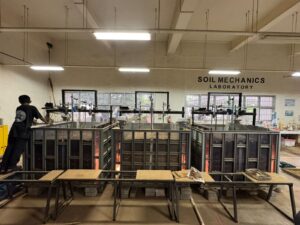
The use of geogrid as subgrade reinforcement in expansive soils is an effective way to enhance the stability and performance of pavement structures. Expansive soils, also known as shrink-swell soils, tend to undergo significant volume changes when subjected to moisture fluctuations. These changes can lead to pavement distress, cracking, and uneven settlement, which negatively impact the performance and longevity of the pavement. Reinforcing the subgrade, geogrids help to mitigate the issues associated with expansive soils, providing a more stable, durable, and cost-effective foundation for pavements and other structures.
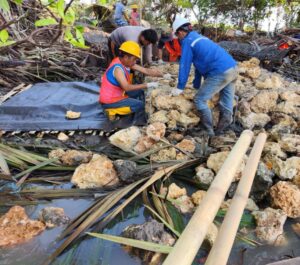
Rivers and estuaries are vital ecosystems that play a significant role in maintaining environmental balance, providing habitats for various organisms, and supporting social and economic activities. However, the increasing volume of plastic waste and domestic debris polluting aquatic ecosystems has become a serious challenge. Waste accumulating in rivers and estuaries not only damages ecosystems but can also flow into the ocean, contributing to global issues such as marine plastic pollution.The implementation of flexible trash traps is an innovative approach to addressing this problem. These devices are designed to efficiently collect waste, particularly in aquatic areas with high flow dynamics and water level variations, such as fast-flowing rivers or tidal estuaries. This technology utilizes materials that are durable in aquatic environments, such as flexible polymers or environmentally friendly materials, ensuring the traps remain functional without disrupting natural water movement or aquatic life.
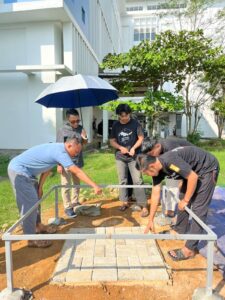
Sandy soil, being a type of non-cohesive soil, has a weak bearing capacity and is highly susceptible to changes, especially related to particle density. Due to the low bearing capacity of sandy soil, buildings constructed on it are prone to settlement and even landslides. This is certainly a serious concern, considering many construction projects involve soil with a high sand content. To increase the bearing capacity of such soil, soil stabilization is required.. This study aims to determine the physical and mechanical parameters of the sandy soil used, investigate the effect of Bacillus Subtilis bacteria mixture on the shear strength value of sand in the direct shear test, and to determine the effect of Bacillus Subtilis bacteria mixture on the unconfined compressive strength value of sand in the unconfined compression test. This research was conducted in the Soil Mechanics Laboratory, Department of Civil Engineering, Faculty of Engineering, Hasanuddin University
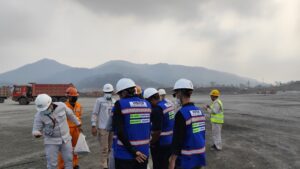
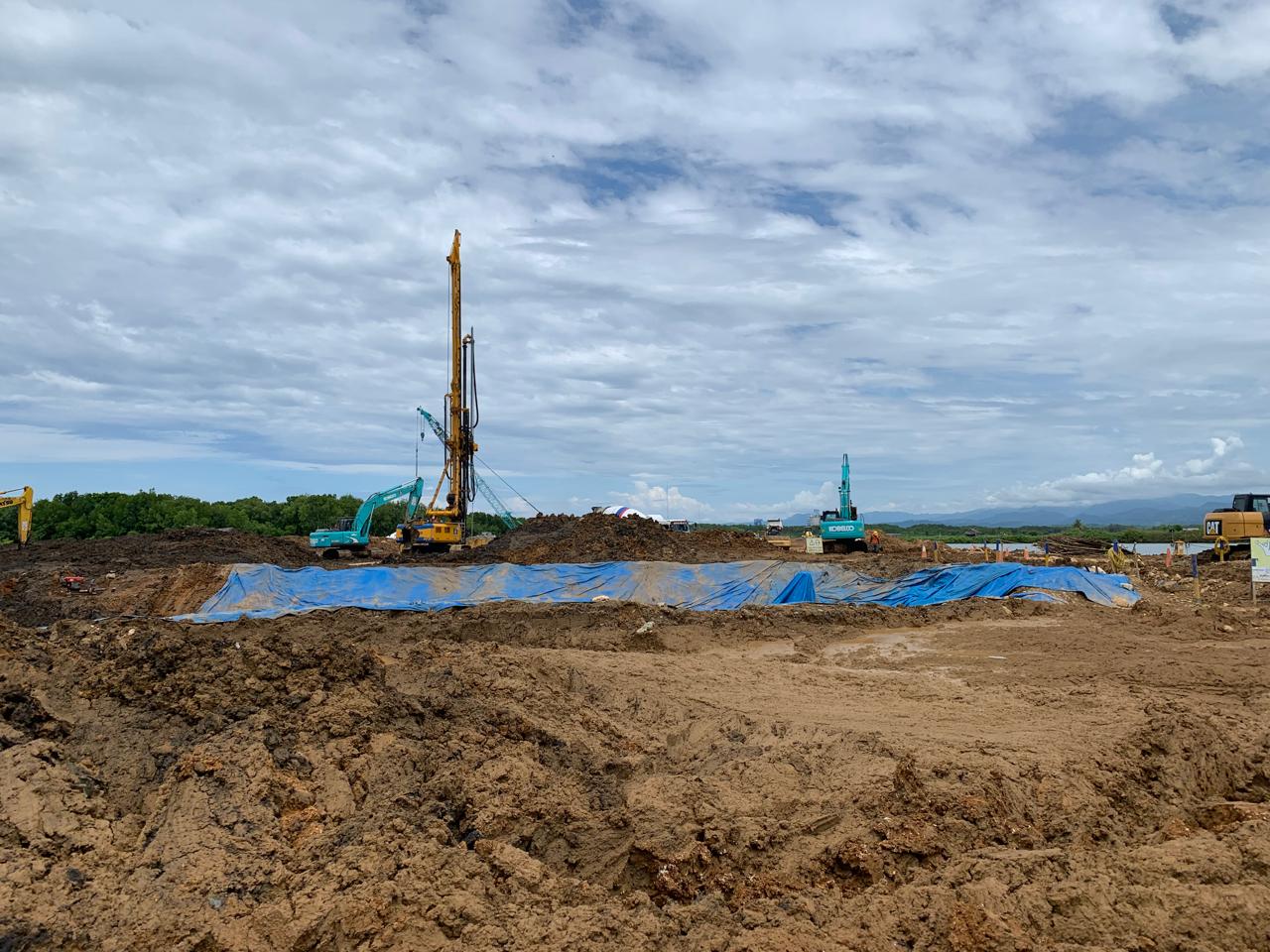
Reclamation projects involve the conversion of water bodies or low-lying lands into usable land for urban, industrial, or agricultural purposes. These projects often require a thorough understanding of the underlying soil conditions, as they significantly influence the success and sustainability of the reclaimed land.This study focuses on evaluating how soil conditions, including soil composition, bearing capacity, settlement characteristics, and drainage properties, impact the design, implementation, and long-term performance of reclamation projects. Soil conditions at the site dictate the choice of materials for filling, the construction methods, and the measures required to ensure stability and prevent issues like excessive settlement, liquefaction, or erosion.