



Soil Improvement (Stabilization and Reinforcement)
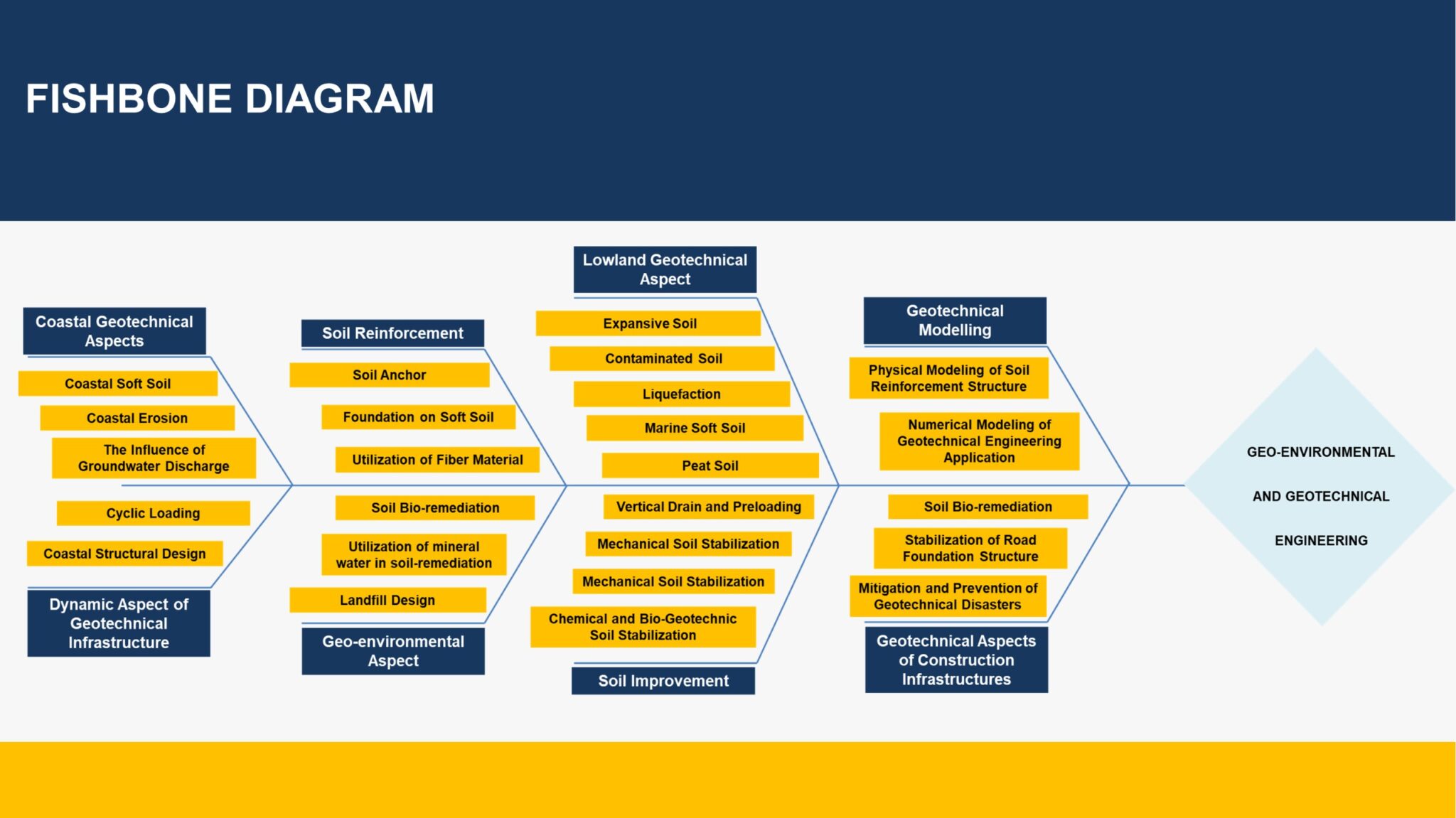
Soil improvement refers to the engineering processes and techniques employed to enhance the physical, chemical, and mechanical properties of soil to meet the requirements of specific construction projects.

Stability of Slope and Landslide Hazard
The stability of slopes is a critical aspect of geotechnical engineering, focusing on the ability of natural or man-made slopes to remain intact under varying environmental and loading conditions. Slope failures, often manifesting as landslides, pose significant risks to infrastructure, human safety, and the environment.
Physical Modelling
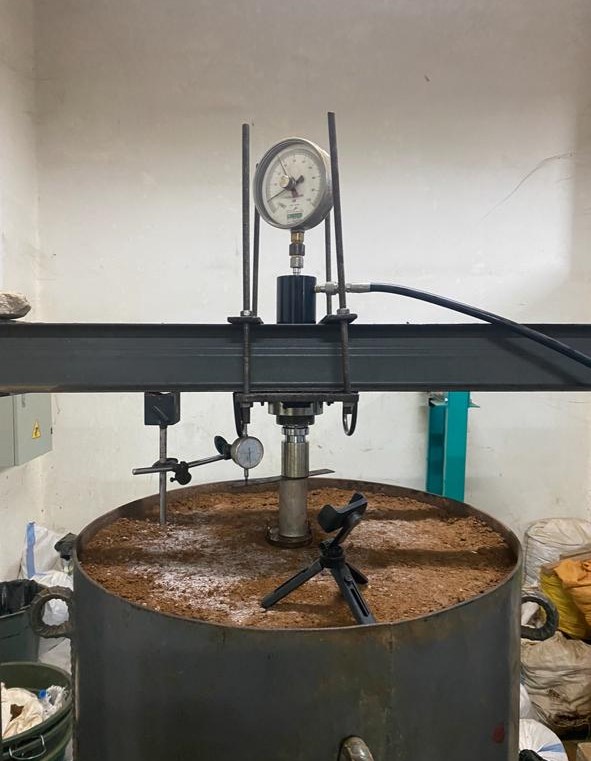
Physical modeling in geotechnical engineering involves the scaled-down replication of soil-structure interaction or soil behavior under controlled laboratory conditions. This approach provides valuable insights into complex geotechnical phenomena, such as slope stability, foundation behavior, and soil improvement techniques.
Soil Dynamics and Earthquake
Soil dynamics, a specialized field within geotechnical engineering, examines the behavior of soils when subjected to dynamic loading conditions, including those induced by seismic events, machinery-induced vibrations, and vehicular traffic. A comprehensive understanding of dynamic soil propertiessuch as stiffness, damping characteristics, and shear strength is critical for the design and construction of safe and resilient foundations, slopes, and earth structures, particularly in regions prone to seismic activity or persistent vibrations.
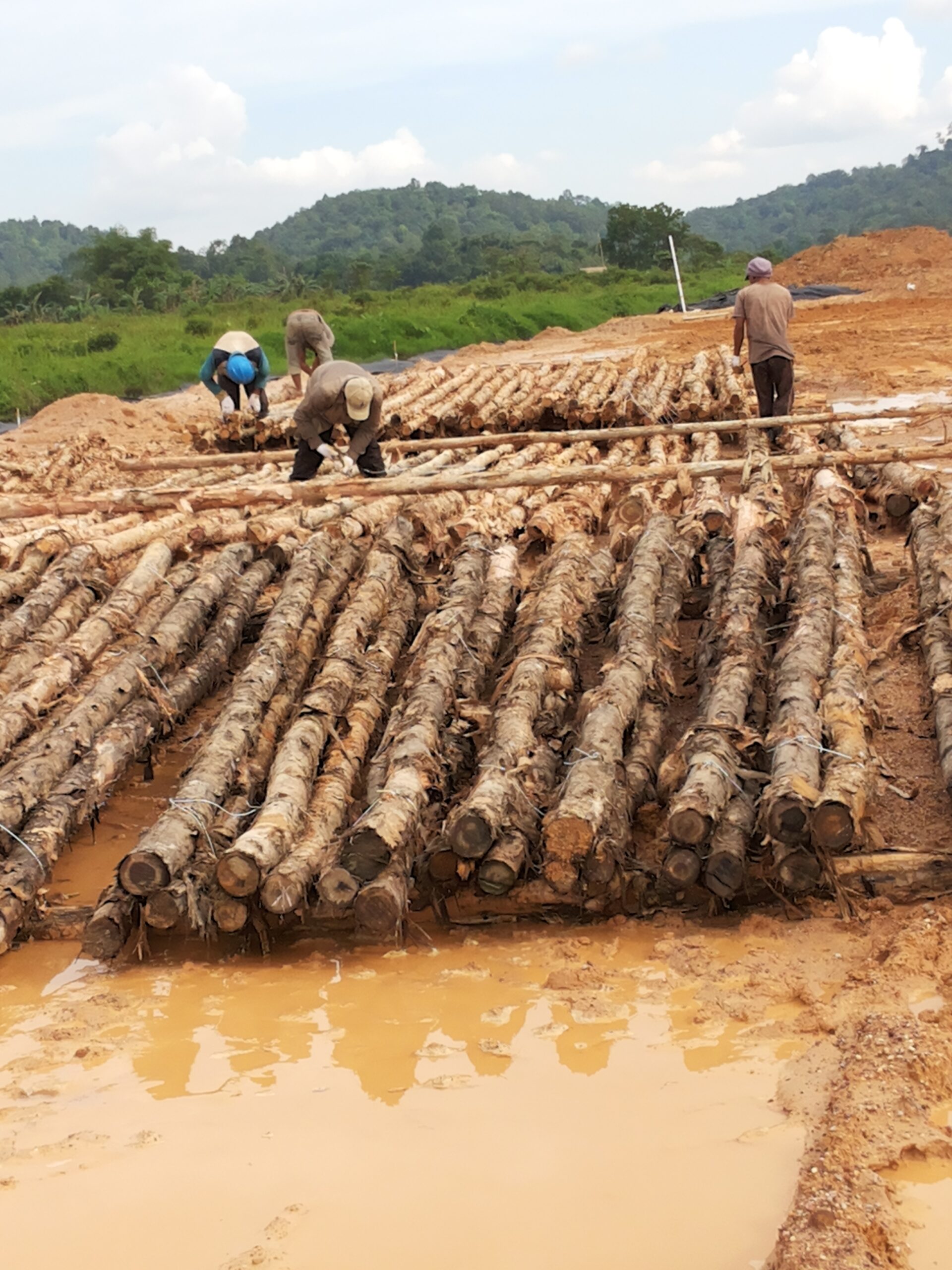
Multi-scale Field Experiment
Multi-scale field experiments are a critical methodological approach in geotechnical engineering, designed to investigate the behavior of soils and soil-structure interactions across a range of spatial and temporal scales. These experiments serve as a bridge between controlled laboratory investigations and real-world applications, offering crucial insights into the performance of geotechnical systems under varying environmental and operational conditions.
Foundation Engineering
Foundation engineering is a core area of geotechnical engineering, focused on the analysis, design, and construction of foundations that ensure the stability, load distribution, and long-term performance of structures. The foundation serves as the critical interface between the superstructure and the underlying soil or rock mass, and its design is contingent upon several factors, including the soil’s geotechnical properties, environmental conditions, and the load requirements of the supported structure.