
Maros-Pangkep Karst Area, South Sulawesi, Indonesia/10-04-2026/FORTREMIC — A scientific study published in Biodiversitas has revealed an important story about small organisms that often escape human attention. Deep inside Indonesia’s unique karst ecosystem, tiny fungi known as macrofungi are working silently to maintain the balance of nature. Although they may appear simple, these organisms play a major role in supporting forest health and biodiversity.
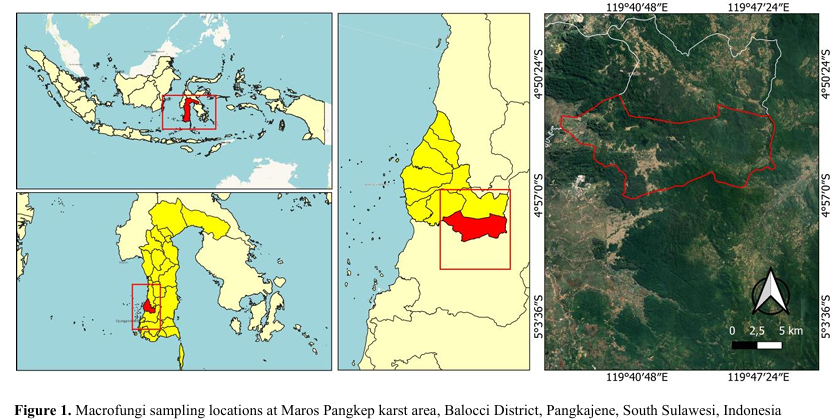
This research is strongly connected with Sustainable Development Goal (SDG) 15: Life on Land, which aims to protect terrestrial ecosystems, conserve biodiversity, and promote sustainable management of natural resources. Protecting nature does not only mean conserving large animals or famous plants, but also preserving small organisms that have essential ecological functions.
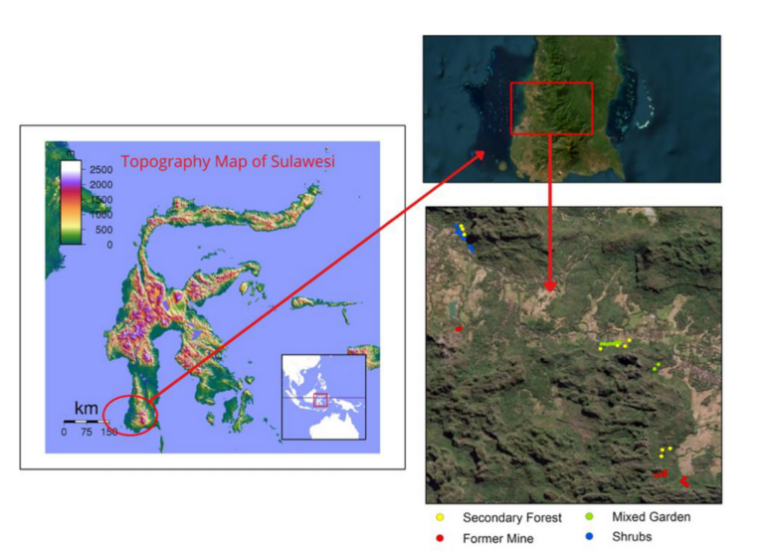
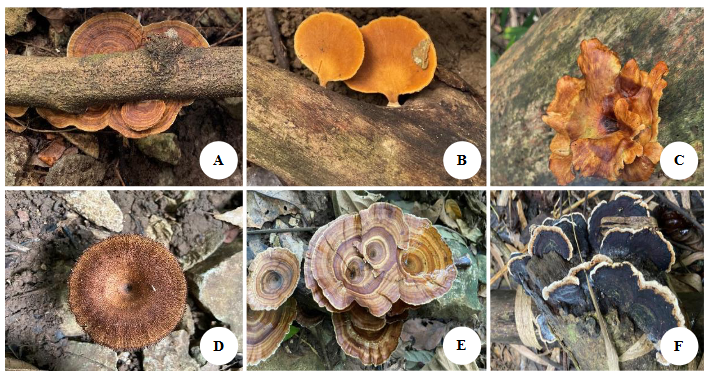
The Maros-Pangkep Karst Area in South Sulawesi is one of Indonesia’s most valuable natural landscapes. This region has unique limestone formations and supports many forms of biodiversity. Researchers investigated how environmental conditions influence the presence and diversity of macrofungi in this ecosystem. Through field observations across 15 research plots, scientists discovered 52 species of macrofungi from 35 genera and 24 families.
The study found that fungi depend on a combination of environmental factors. Humid air, moist soil, and diverse vegetation create suitable conditions for fungal growth. On the other hand, excessive temperature and strong sunlight can reduce the ability of fungi to develop. This explains why many mushrooms are commonly found in shaded forest areas with stable moisture conditions.
Macrofungi are more than just organisms growing on forest floors. They act as natural recyclers by breaking down dead wood and organic materials, returning important nutrients back into ecosystems. Through this process, fungi help maintain soil fertility and support plant growth. Without fungi, the natural cycle of nutrients in forests would be disrupted.
The findings also provide an important reminder about protecting fragile ecosystems. Karst landscapes are highly sensitive to environmental changes, meaning that habitat destruction and climate change can threaten many organisms, including fungi that are not always visible to humans. Maintaining vegetation diversity and protecting natural habitats are essential steps for biodiversity conservation.
This research also supports global sustainability efforts beyond SDG 15. Healthy ecosystems contribute indirectly to SDG 1: No Poverty by supporting natural resources and community livelihoods, SDG 3: Good Health and Well-being through ecosystem stability, SDG 4: Quality Education by increasing environmental awareness, and SDG 17: Partnerships for the Goals through collaboration in biodiversity research and conservation. Although this study focuses on land ecosystems, protecting biodiversity also contributes to broader environmental sustainability goals, including awareness related to SDG 14: Life Below Water because healthy terrestrial ecosystems influence water systems.
The message from this research is clear: every living organism has a role in maintaining Earth’s balance. The small fungi hidden beneath Indonesia’s forests remind us that protecting biodiversity means protecting all forms of life, both large and small.
Reference:
https://doi.org/10.13057/biodiv/d270303
Contact:
Muhammad Restu
+62-811-443-515