
South Sulawesi, Indonesia/24-8-2026/FORTREMIC – Forests are more than just collections of trees. They provide oxygen, protect biodiversity, regulate climate, and supply important resources for human life. However, increasing demand for wood products creates a major challenge: how can we use forest resources while still protecting natural ecosystems? Modern genetic science may provide part of the answer.
This research is strongly connected with Sustainable Development Goal (SDG) 15: Life on Land, which focuses on protecting terrestrial ecosystems, conserving biodiversity, and promoting sustainable forest management.
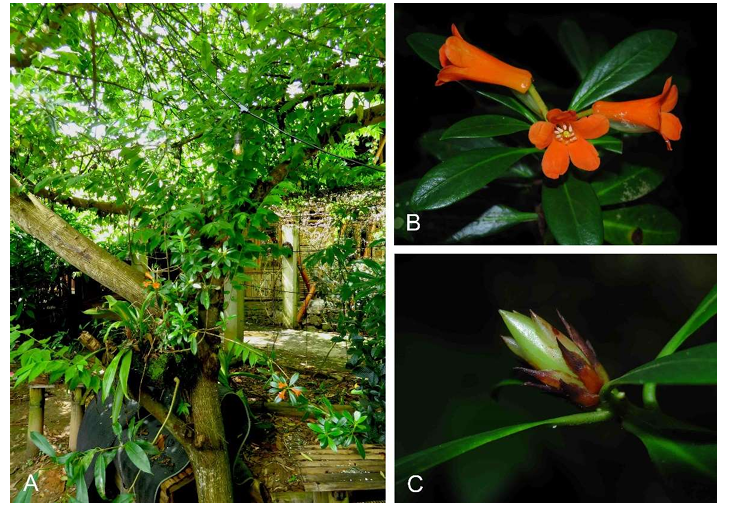
A recent study published in Evolutionary Applications explored the genetic secrets behind wood quality in fast-growing trees from the Neolamarckia genus, particularly Neolamarckia cadamba and Neolamarckia macrophylla. These tree species are important because they grow rapidly and have valuable industrial, ecological, and medicinal benefits.
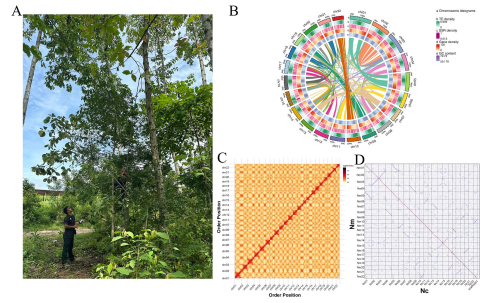
Scientists used advanced genome sequencing technology to understand how genes influence important wood characteristics. For the first time, researchers developed a high-quality chromosome-level genome assembly of N. macrophylla, revealing a genome size of approximately 598.43 million base pairs.
Why does this matter? The quality of wood is not determined only by how fast a tree grows. Characteristics such as fiber structure, wood density, and lignin content influence whether wood is suitable for products such as furniture, construction materials, and paper production. The researchers identified genes associated with seven important wood property traits in N. cadamba.
One important discovery involved lignin biosynthesis, a natural process that helps trees maintain strong structures, transport water, and protect themselves from environmental stress. Understanding these genes helps scientists identify how trees develop stronger and more useful wood properties.
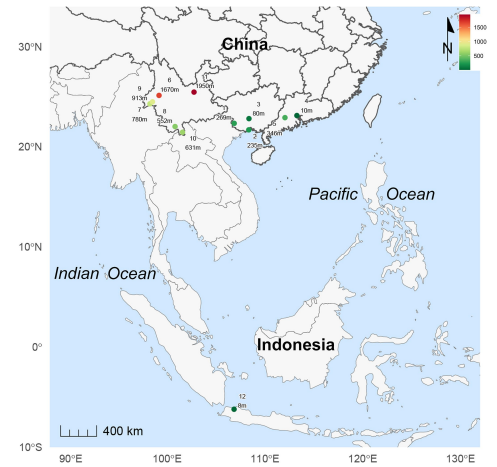
The research analyzed genetic information from 204 trees using genome-wide association studies (GWAS). Through this approach, scientists discovered candidate genes that influence wood characteristics and could become valuable tools for future tree breeding programs.
This innovation has important implications for sustainable forestry. By developing tree varieties with better growth and wood quality, humans may produce more timber from fewer planted areas. This can reduce pressure on natural forests while maintaining economic benefits from forest resources.
The study also contributes to several global sustainability goals. SDG 1: No Poverty is connected because sustainable forestry can provide economic opportunities for forest communities. SDG 3: Good Health and Well-being relates to the benefits of healthy forest ecosystems. SDG 4: Quality Education is supported through advances in genetic and conservation science. SDG 14: Life Below Water is indirectly connected because forests help protect water quality and aquatic ecosystems. SDG 15: Life on Land is the main focus because the research supports biodiversity conservation and sustainable forest management. SDG 17: Partnerships for the Goals highlights international collaboration among scientists and research institutions.
This study shows that the future of forests depends not only on planting more trees but also on understanding them better. Through genomics, science can help create forests that are productive, resilient, and sustainable for future generations.
Reference:
https://doi.org/10.1111/eva.70314
Contact:
Siti Halimah Larekeng
085242291851
sitih5h.82@gmail.com