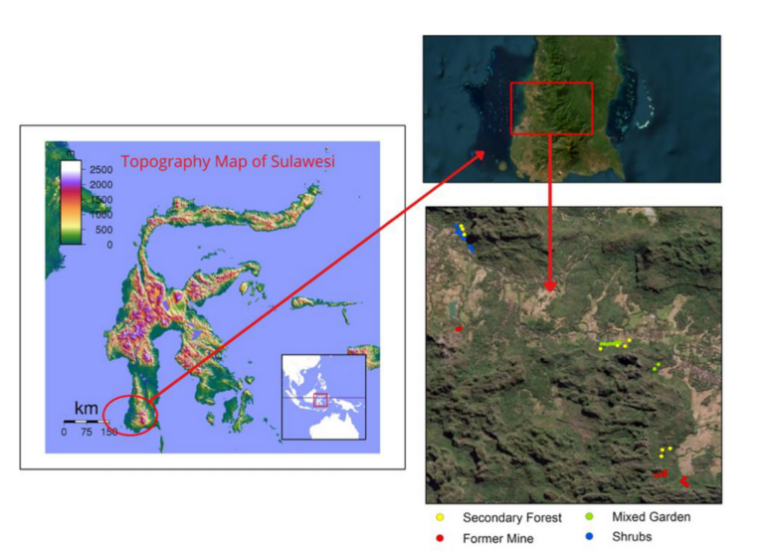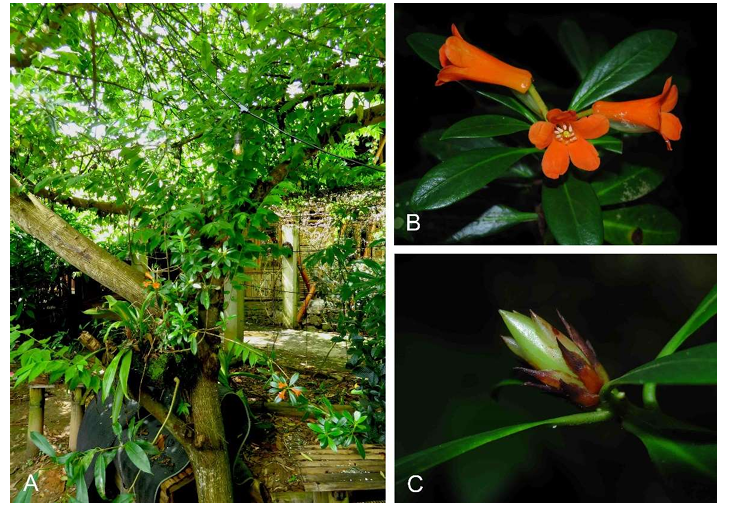

Central Sulawesi, Indonesia, /28-03-2026/FORTREMIC – What if a small orange flower could tell us that an entire forest still holds secrets? That is the story behind Rhododendron yombuwurii, a newly described plant species from Central Sulawesi, Indonesia. Scientists identified this remarkable rhododendron from material originating in the Tokorondo Range, northwest of Lake Poso. The plant is currently cultivated near Saluopa Waterfall, where it grows as an epiphyte and produces small, bright orange flowers.
At first glance, it may seem like just another beautiful forest plant. But its discovery is much more significant. Sulawesi is one of Indonesia’s biodiversity hotspots, and its complex landscapes provide habitats for many unique species. Researchers report that 32 Rhododendron species are recorded on Sulawesi, with 24 of them endemic to the island. Yet large parts of Sulawesi remain poorly explored because of difficult terrain and limited botanical research.
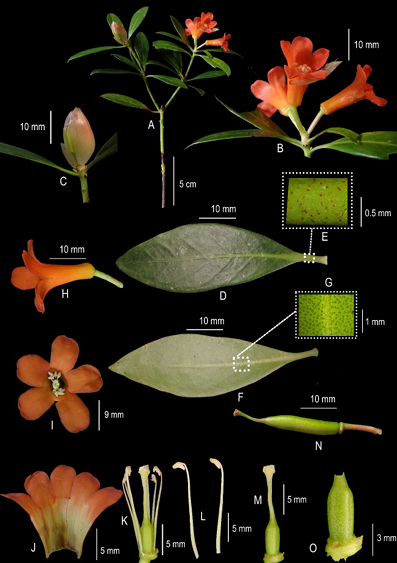
Scientists did not identify R. yombuwurii simply because its flowers looked different. They examined its physical characteristics, compared it with related species, studied specimens under microscopes, and analyzed DNA from the nuclear ribosomal ITS region. The results supported its position within the Vireya group and showed that it represents a distinct lineage. Its bright orange, relatively small flowers and several other characteristics distinguish it from similar rhododendrons.
But the discovery also carries a warning. Scientists currently classify R. yombuwurii as Data Deficient (DD). This does not mean that the species is safe. It means there is not yet enough information to determine how threatened it really is. Only limited material is known, and the natural population has not yet been confirmed. More systematic exploration of the Tokorondo Range is therefore urgently needed.
This situation directly connects the discovery to SDG 15: Life on Land, which focuses on protecting terrestrial ecosystems and biodiversity. However, conservation does not stand alone. SDG 1: No Poverty can be connected through sustainable opportunities for local communities; SDG 3: Good Health and Well-being through the importance of healthy natural environments; and SDG 4: Quality Education through biodiversity education and public scientific literacy.
Although this is a terrestrial plant, SDG 14: Life Below Water also reminds us that healthy land and water systems are interconnected. Protecting mountain forests can contribute to healthier watersheds and downstream environments. Meanwhile, SDG 17: Partnerships for the Goals highlights the importance of collaboration among scientists, local communities, governments, conservation organizations, and international partners.
The story of R. yombuwurii therefore goes beyond the discovery of a new flower. It is a reminder that Indonesia’s forests still contain species waiting to be understood—and that discovering them is only the first step. The greater challenge is ensuring that these species, their habitats, and the communities connected to them can continue to thrive.
Reference:
https://doi.org/10.6165/tai.2026.71.277
Contact:
Siti Halimah Larekeng
085242291852
sitih5h.82@gmail.com