
Parepare, South Sulawesi, Indonesia /19-7-2025/FORTREMIC – Beneath the soil surface, a remarkable partnership occurs between plants and microscopic organisms that are often invisible to humans. These tiny organisms, known as Arbuscular Mycorrhizal (AM) fungi, work together with plant roots to improve nutrient absorption, strengthen plant growth, and support environmentally friendly agriculture.
This research is closely connected with Sustainable Development Goal (SDG) 15: Life on Land, which focuses on protecting terrestrial ecosystems, conserving biodiversity, and promoting sustainable management of natural resources. Healthy soil ecosystems are an essential foundation for sustainable agriculture because they support plant productivity while maintaining environmental balance.
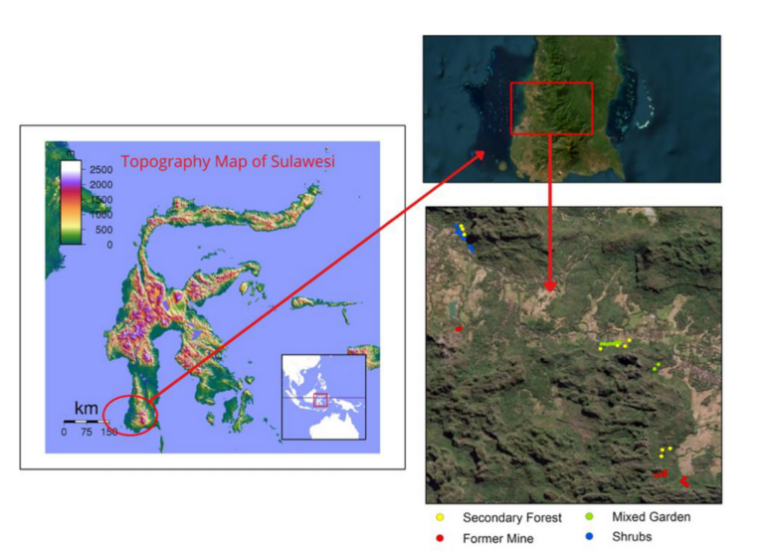
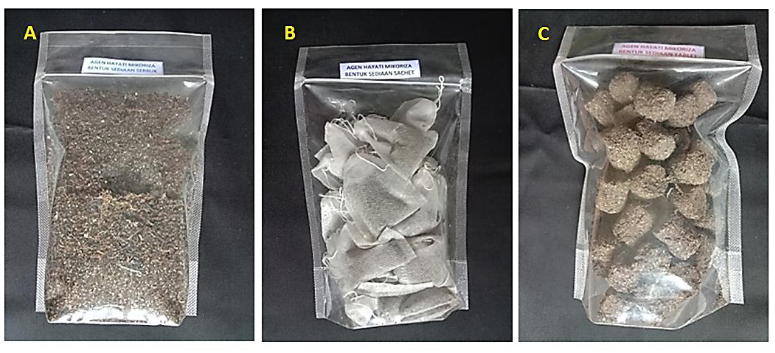
A scientific study published in Plant Cell Biotechnology and Molecular Biology investigated how different forms of AM applications—powder, sachets, and tablets—affect mineral nutrient content in Aloe vera (Aloe vera L.) tissues. The research was conducted on community land around Muhammadiyah University of Parepare, South Sulawesi, Indonesia, from January to August 2024.
Aloe vera is not only known as a popular plant in cosmetic and health products but also has economic potential for farmers. Its leaves contain valuable compounds used in pharmaceutical, food, and cosmetic industries. Because of its ability to survive in dry environments, Aloe vera has great potential for cultivation in tropical regions such as Indonesia.
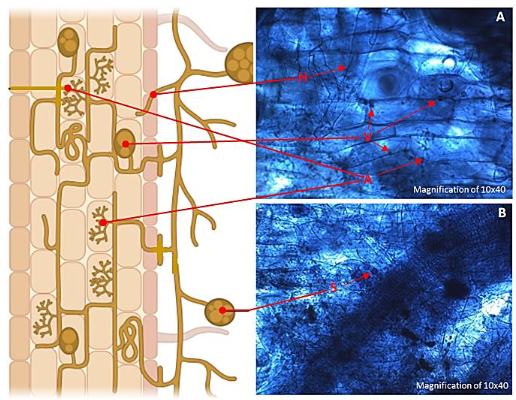
AM fungi create a natural partnership with plant roots. These fungi develop special structures, including hyphae, arbuscules, and vesicles, which allow nutrient exchange between fungi and plants. Through this relationship, AM fungi help plants absorb important minerals such as phosphorus, nitrogen, and potassium, which are essential for healthy growth.
The study compared three AM application methods: powder, sachets, and tablets. The results showed that AM tablets and sachets improved mineral nutrient content in Aloe vera tissues compared with conventional AM powder. These applications also maintained the symbiotic relationship between fungi and plant roots without disturbing the colonization process.
Researchers found that AM tablets helped increase nitrogen and phosphorus accumulation in Aloe vera tissues. This improvement occurred because the placement of fungal spores closer to plant roots allowed faster colonization and more efficient nutrient absorption through fungal hyphae.
This innovation provides a promising solution for sustainable farming. Instead of depending heavily on synthetic fertilizers, farmers can utilize beneficial microorganisms as natural partners to improve plant nutrition. AM technology can help create healthier soils, improve plant resilience, and reduce negative environmental impacts.
The research also supports several other sustainability goals. SDG 1: No Poverty is connected because sustainable agriculture can improve farmers’ productivity and income. SDG 3: Good Health and Well-being relates to safer and environmentally friendly farming practices. SDG 4: Quality Education is supported by increasing knowledge about biological agricultural technology. SDG 14: Life Below Water is indirectly related because reducing chemical fertilizer use can help protect aquatic ecosystems. SDG 15: Life on Land is the main focus because this research promotes soil health and sustainable terrestrial ecosystems. SDG 17: Partnerships for the Goals highlights collaboration between researchers, institutions, and agricultural communities.
This study delivers an important message: even the smallest organisms can create a significant impact. By working together with nature, agriculture can become more productive, sustainable, and environmentally responsible.
Reference:
https://doi.org/10.56557/pcbmb/2025/v26i7-89521
Contact:
Gusmiaty
081342000908
gusmiaty@unhas.ac.id