
Maros-Pangkep Karst Area, South Sulawesi, Indonesia/1-4-2026/FORTREMIC –
When people talk about protecting nature, they often focus on forests, wildlife, and beautiful landscapes. However, beneath the soil surface, there is another hidden world that plays a crucial role in maintaining ecosystem balance. Tiny organisms called Arbuscular Mycorrhizal Fungi (AMF) quietly support plant growth, improve soil quality, and help damaged ecosystems recover.
This research is closely connected with Sustainable Development Goal (SDG) 15: Life on Land, which aims to protect terrestrial ecosystems, conserve biodiversity, and promote sustainable management of natural resources. Protecting soil microorganisms is an important part of protecting life on land because healthy ecosystems begin with healthy soil.
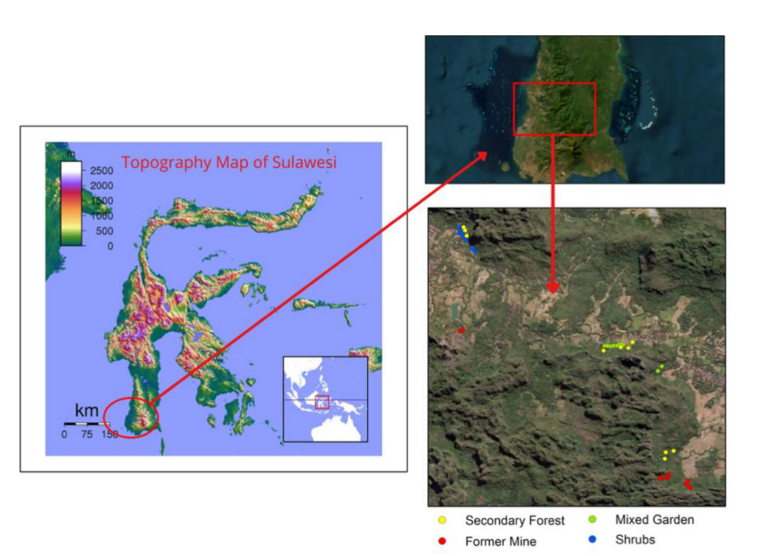
The study was conducted in the Maros-Pangkep Karst Area (MPKA), South Sulawesi, Indonesia, a globally important ecosystem recognized as a UNESCO Global Geopark in 2022. This unique karst landscape covers around 46,200 hectares and contains valuable biodiversity. However, parts of the area are threatened by environmental degradation caused by human activities, including mining.
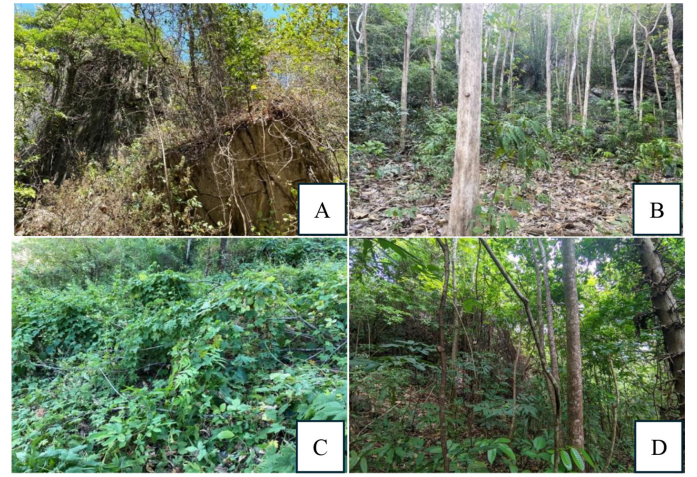
Researchers investigated how different land cover conditions influence AMF communities. Four types of landscapes were studied: former mining areas, scrublands, mixed gardens, and secondary forests. The findings showed that land conditions strongly affect the diversity, distribution, and abundance of these beneficial fungi.
The researchers identified four main groups of AMF: Glomus, Acaulospora, Gigaspora, and Entrophospora. Each group has different abilities to survive in various environments. Glomus was found across different land conditions because it has strong adaptability to environmental stress, while Entrophospora showed potential in supporting recovery processes in degraded areas.
One interesting finding was that mixed gardens had the highest AMF spore density, reaching 62.7 spores per 50 grams of soil. In comparison, former mining areas had 20.1 spores, shrublands had 15.8 spores, and secondary forests had 11.4 spores per 50 grams of soil. This suggests that vegetation diversity and healthier soil conditions can support richer fungal communities.
AMF are valuable because they create a natural partnership with plant roots. These fungi help plants absorb important nutrients such as phosphorus, nitrogen, sulfur, and micronutrients. They also improve soil structure, increase drought tolerance, and support plant growth in degraded environments.
The findings are important for ecosystem restoration, especially in damaged areas such as former mining sites. By encouraging the growth of beneficial soil fungi, restoration programs can improve soil quality and help plants establish more successfully.
This research also supports other sustainability goals. SDG 1: No Poverty is related because healthy ecosystems can support community resources and sustainable livelihoods. SDG 3: Good Health and Well-being is connected through maintaining healthy environments. SDG 4: Quality Education is supported by increasing environmental knowledge. SDG 14: Life Below Water is indirectly related because healthy land ecosystems help protect water systems. SDG 15: Life on Land is the main focus because it emphasizes biodiversity conservation and ecosystem restoration. SDG 17: Partnerships for the Goals highlights collaboration between researchers, institutions, and conservation stakeholders.
This study reminds us that protecting nature starts from the ground beneath our feet. Although invisible, tiny fungi play a powerful role in keeping ecosystems alive and helping Indonesia’s unique landscapes recover.
Reference:
https://doi.org/10.12912/27197050/218941
Contact:
Muh Restu
0811443515
tueid@yahoo.com