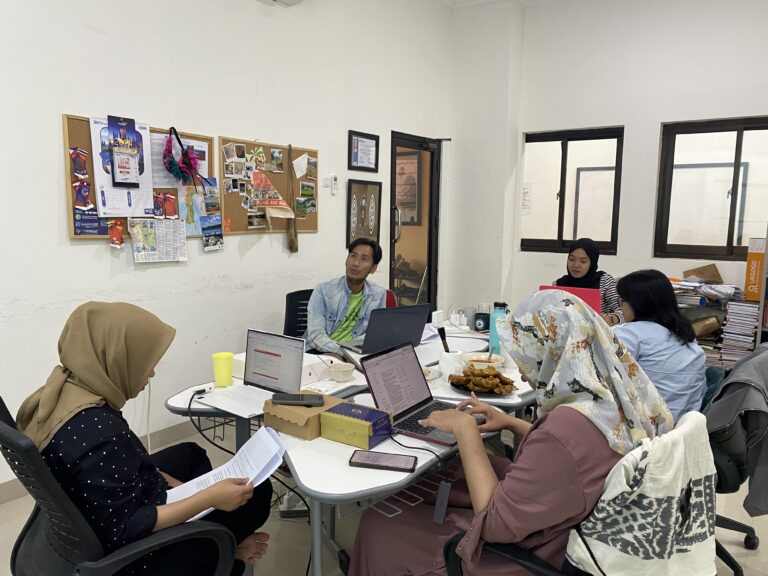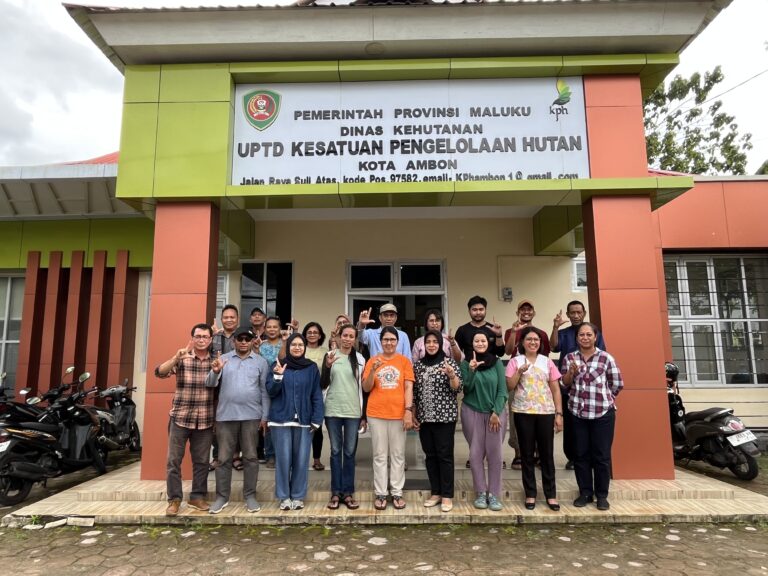

In Year 3, the research moved from intensive data collection toward consolidating findings, strengthening analysis, and connecting research with local policy and action. Building on the fieldwork and community engagement developed in the previous years, we continued working with communities, village governments, researchers, and district-level stakeholders to understand what fairer landscape governance could look like in practice.
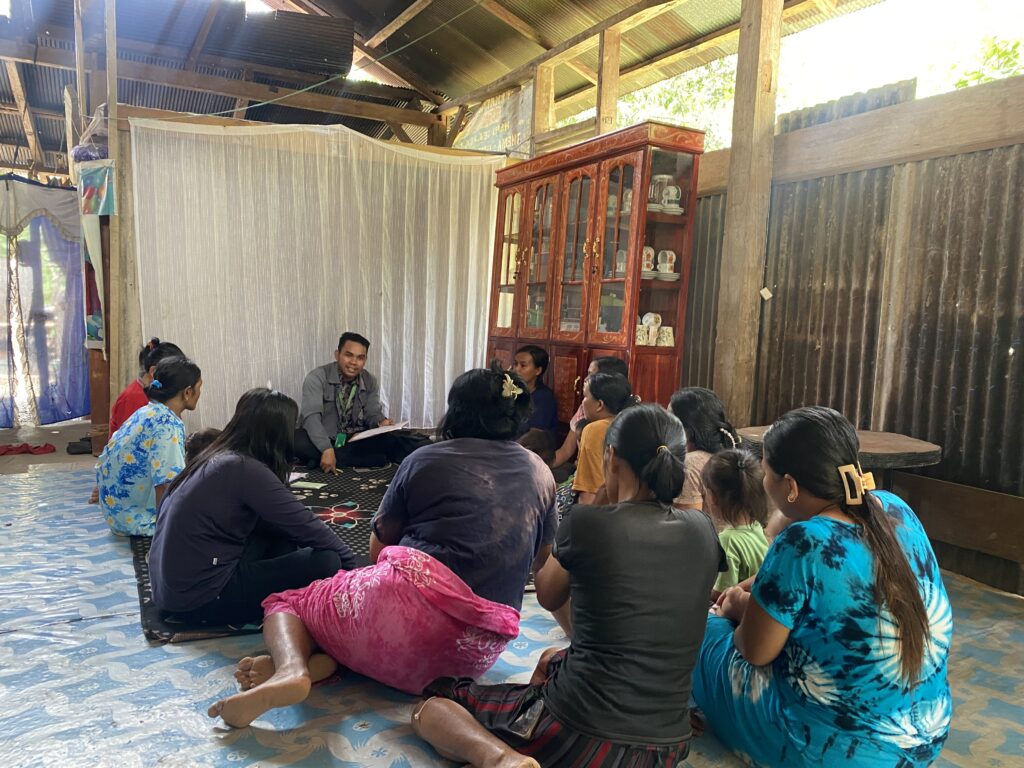
We conducted further focus group discussions (FGDs) in Tamalea Village to deepen and strengthen the evidence needed for our scientific publications. The discussions also created a space for community members to express their aspirations around village-level policies for natural resource management. Each FGD involved around 10–20 participants, including youth, community members, and village government representatives. Ensuring balanced participation of women and men remained an important priority, allowing different experiences and perspectives to inform the research.
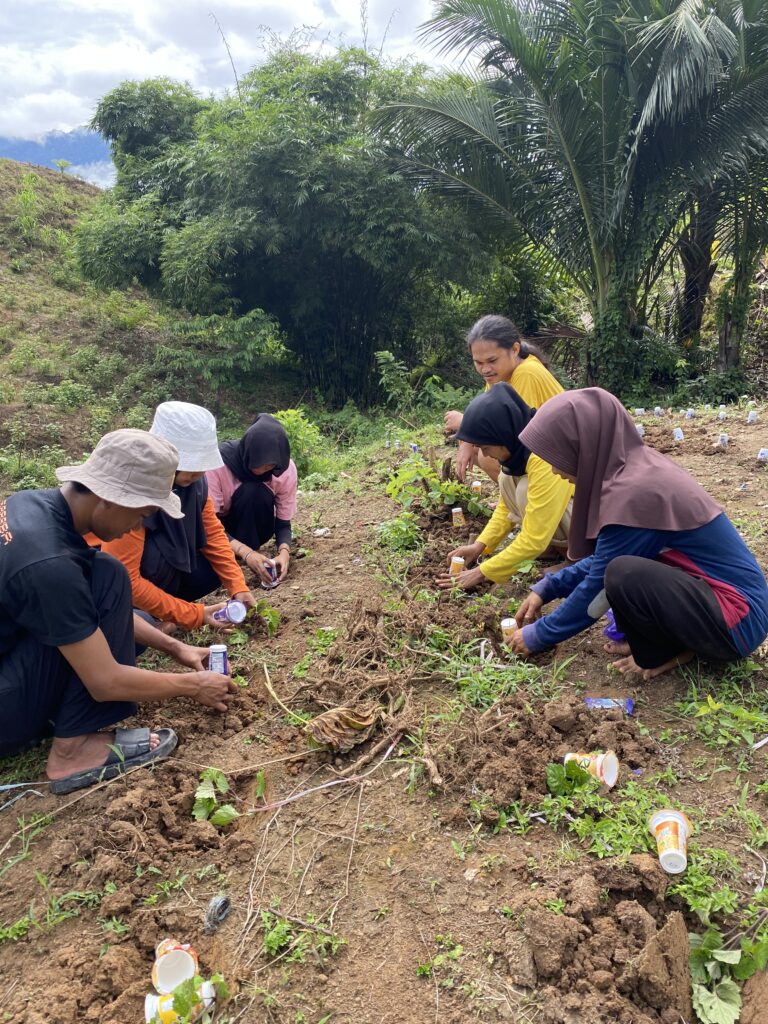
We also continued our work on ecosystem services through a participatory ethnobotanical and ethnopedological approach. In Tamalea, local residents, particularly young people, participated in collecting soil samples for laboratory analysis. The resulting data contribute to our analysis of ecosystem services and scientific publications, while the participatory process brought together scientific methods and local knowledge.
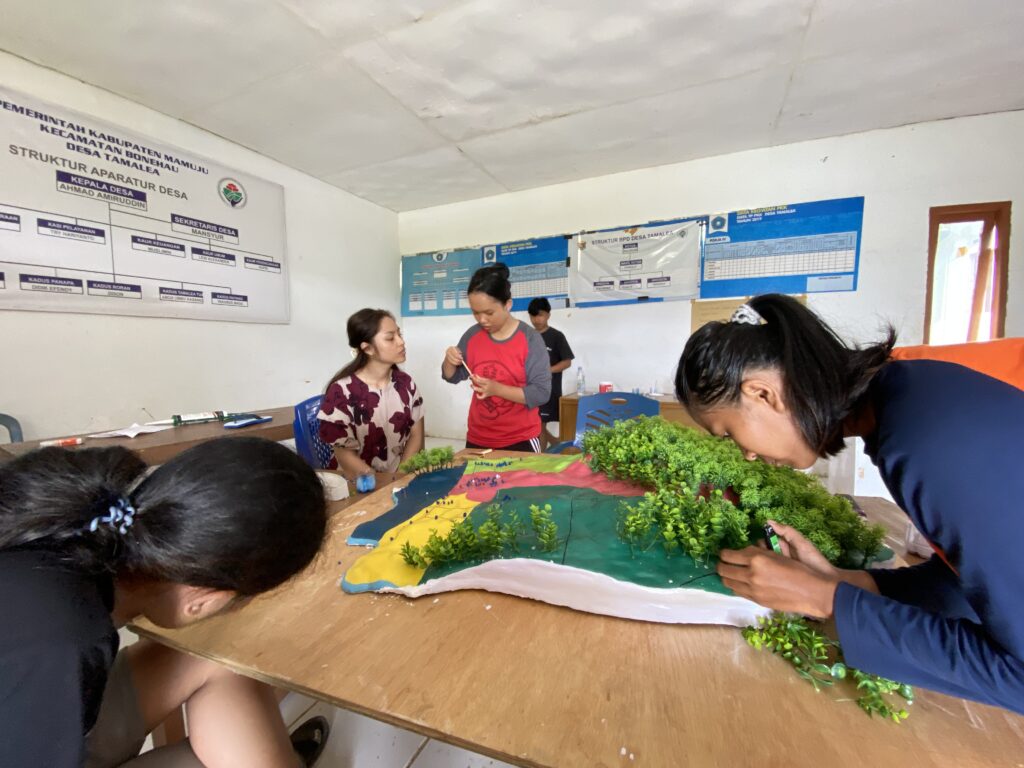
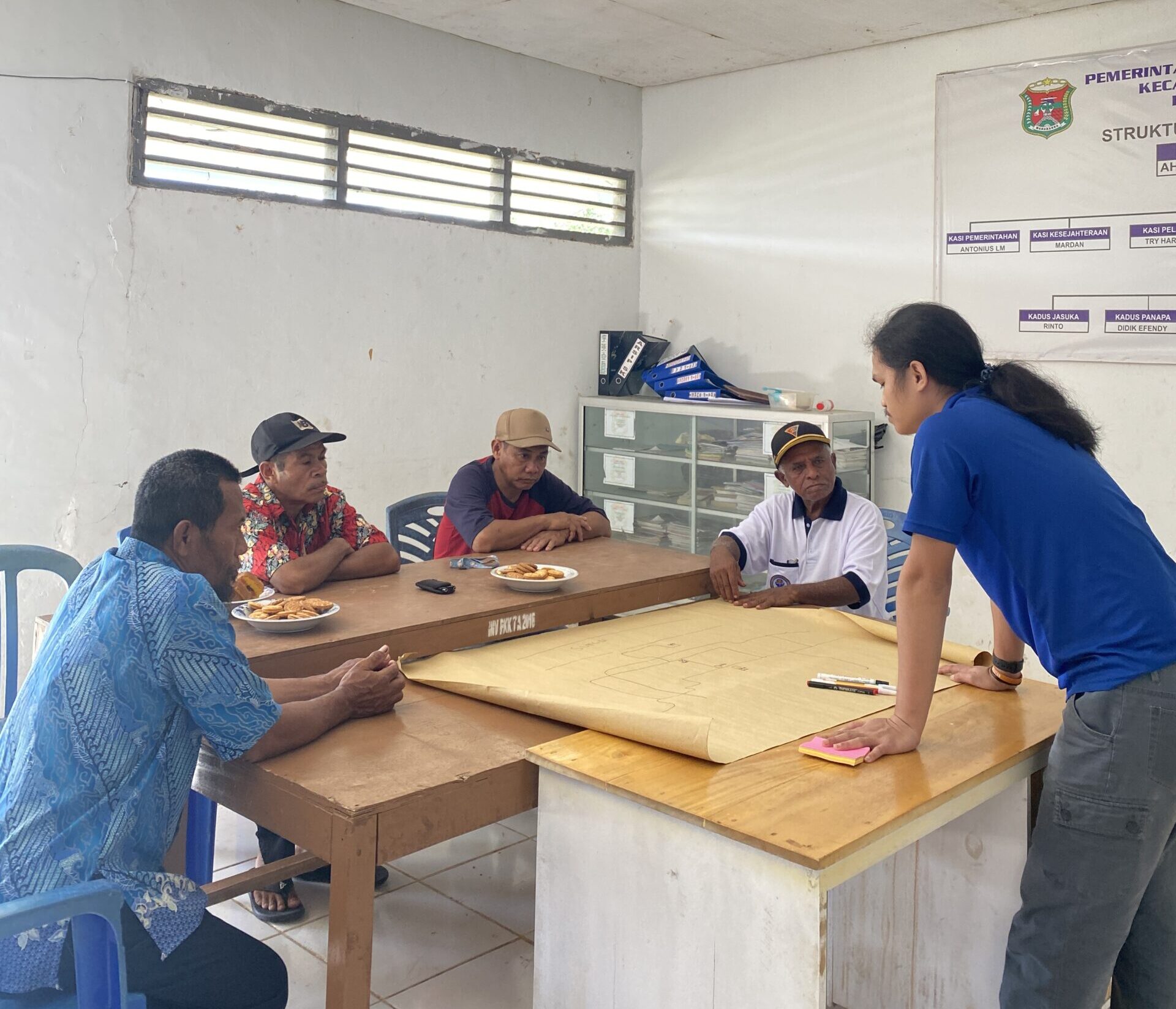
Another key activity was participatory village mapping. Community members, women, youth, and village government representatives worked together through discussions and field visits to identify important physical, social, and cultural features of Tamalea. These included public facilities, natural resources, livelihood areas, and culturally significant sites. The process helped make local knowledge visible and provided information that can support more inclusive village planning and natural resource management.
Our commitment to gender-transformative research also continued through a gender discussion series involving at least 15 participants, most of whom were women. The discussions focused on identifying gender inequalities and developing a practical module that can be used by facilitators and communities to promote gender mainstreaming in village programmes and activities. The module was developed collaboratively, drawing directly on local experiences and perspectives.
The Indonesian team also participated in knowledge exchange in Osaka, Japan, with colleagues from the wider FairFrontiers research programme. Research sharing sessions, methodology workshops, and collaborative discussions focused on cross-country comparison, qualitative comparative analysis, NVivo, gender analysis, and discourse and network analysis. These exchanges helped us strengthen our analytical approaches and situate findings from Indonesia within broader experiences of forest-agriculture frontier transformation.
A major step toward connecting research with policy was the multi-stakeholder consultative workshop on fairer landscape governance and gender issues. Held in Tamalea and combined with a photovoice exhibition, the workshop brought together at least 60 participants, including district government agencies, members of the Mamuju District Regional House of Representatives, village officials, and community members. The workshop created a space to discuss research findings alongside community aspirations for natural resource management.
Building on these discussions, we supported the development of a Village Regulation on participatory and sustainable natural resource management. The process involved identifying community concerns around access to, use of, and protection of forests and productive land, followed by drafting, community consultation, and validation with village institutions. The draft is currently being advocated to the District Legal Bureau for formal approval.
Throughout Year 3, we also continued regular team meetings, data analysis, scientific writing, and research communication through GLFx, Agroecology TPP, social media, and our website. These activities helped move the project beyond producing research outputs toward co-creating knowledge, strengthening local voices, and supporting pathways for fairer and more inclusive landscape governance.
This activity supports the Sustainable Development Goals (SDGs), particularly SDG 5 (Gender Equality), SDG 10 (Reduced Inequalities), SDG 13 (Climate Action), and SDG 16 (Peace, Justice and Strong Institutions). Through participatory research, gender discussions, village mapping, and multi-stakeholder consultations, the activity promotes the inclusion of women, youth, and local communities in decision-making. The development of a participatory village regulation also supports more inclusive local governance and sustainable natural resource management, contributing to fairer and more equitable landscape governance.