
About the Research Project
Research Title: Regulatory Frameworks for Net Zero Transition of Puskesmas in North Sulaewesi and Gorontalo (Net Zero 2.2 | NZ 2.2)
The global health sector is increasingly working toward net-zero emissions while maintaining quality and accessible healthcare. Global efforts are coordinated through the WHO COP26 Health Programme, supported by the Alliance for Transformative Action on Climate and Health (ATACH). Experiences from countries such as England show that healthcare decarbonisation requires both top-down policy leadership and bottom-up engagement, combining institutional support with action from local healthcare workers.
In Indonesia, decentralisation has created opportunities for local innovation in sustainable healthcare, including green hospital practices, solar energy, water efficiency, and the use of environmentally safer building materials. However, these initiatives remain uneven due to differences in funding, infrastructure, institutional capacity, and governance. Puskesmas, as the backbone of primary healthcare delivery, face particular challenges in translating national sustainability policies into consistent practice.
This research focuses on North Sulawesi and Gorontalo to identify pathways for supporting the transition toward net-zero public healthcare at the Puskesmas level. It examines how policies can be better coordinated across different levels of government and sectors, while accounting for local conditions and existing capacity gaps.
The research has three main objectives: (1) identify effective policies to support the transition toward net-zero at the Puskesmas level; (2) explore how existing governance models can be adapted to strengthen accountability in policy implementation; and (3) identify incentive structures that can encourage Puskesmas to adopt net-zero initiatives.
By examining policy, governance, and incentives together, the research aims to support a more coordinated approach to healthcare decarbonisation and identify practical pathways for Puskesmas to adopt sustainable practices.
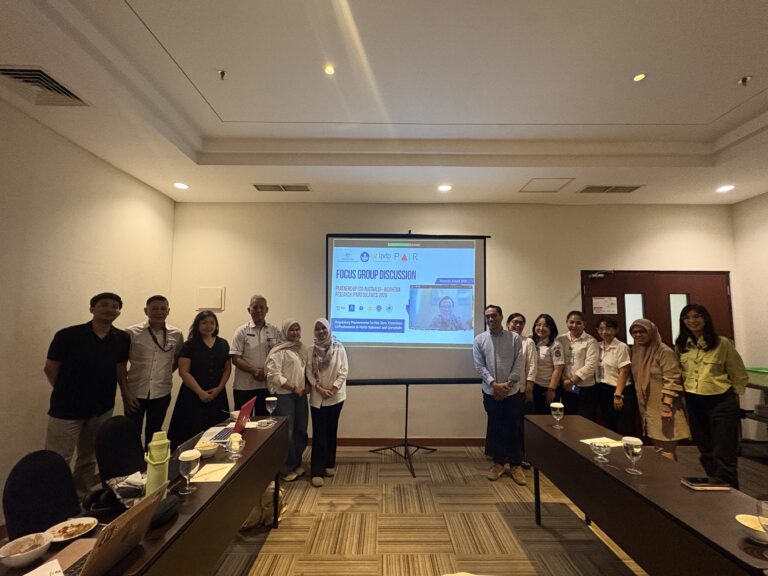
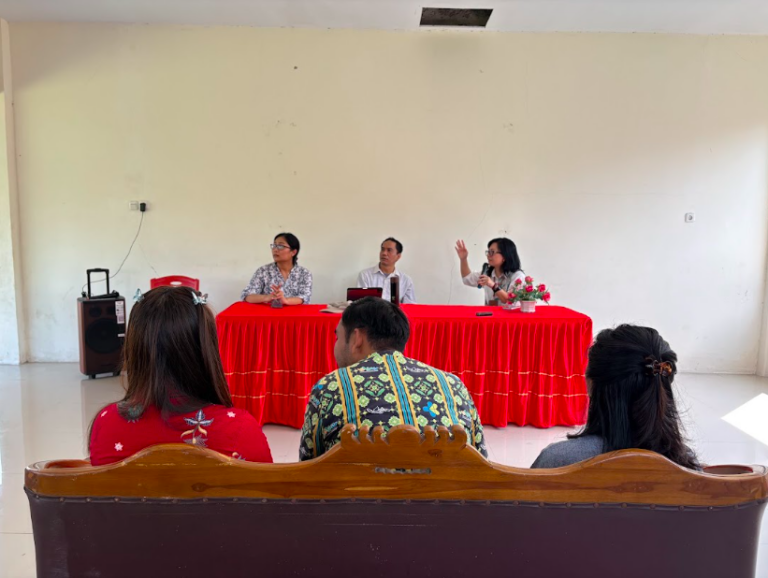
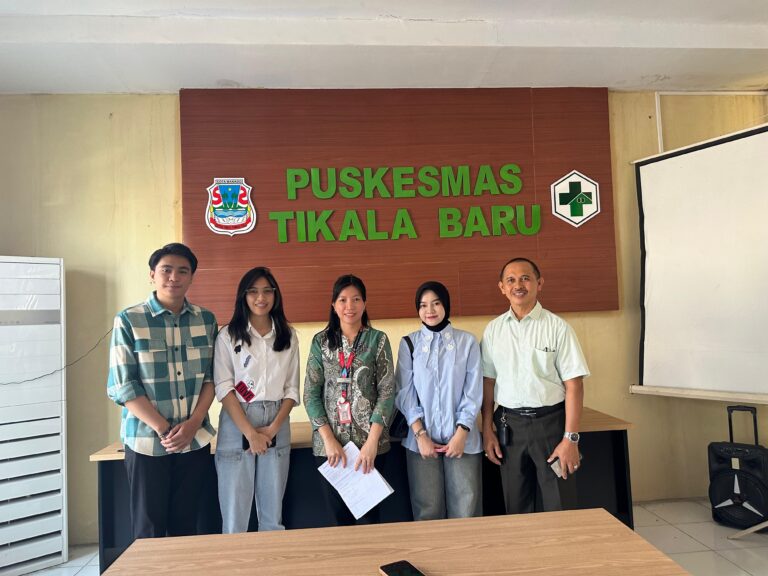
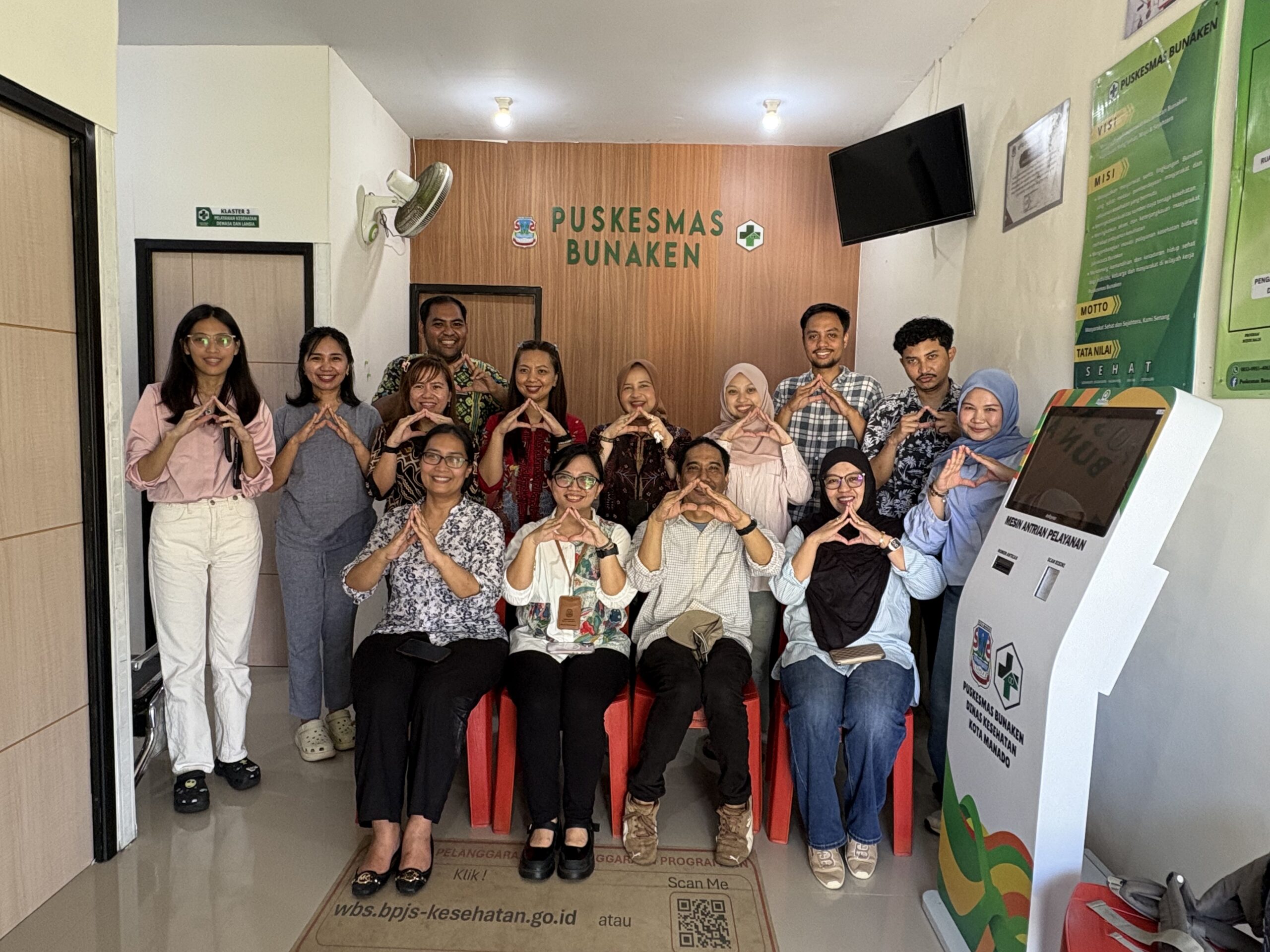
As part of our commitment to documenting and sharing our research process, we also shared updates and insights from the research on our Instagram. Click below to explore the stories behind our work.
- Kick-off the research project
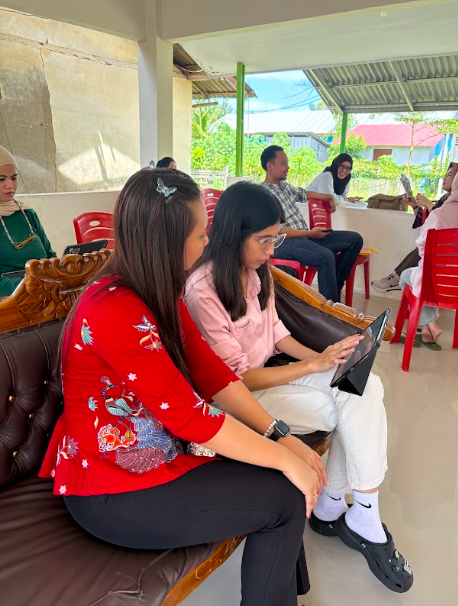
- The NZ 2.2 team conducted data collection in Gorontalo through in-depth interviews, focus group discussions (FGDs), and surveys as part of the PAIR research.
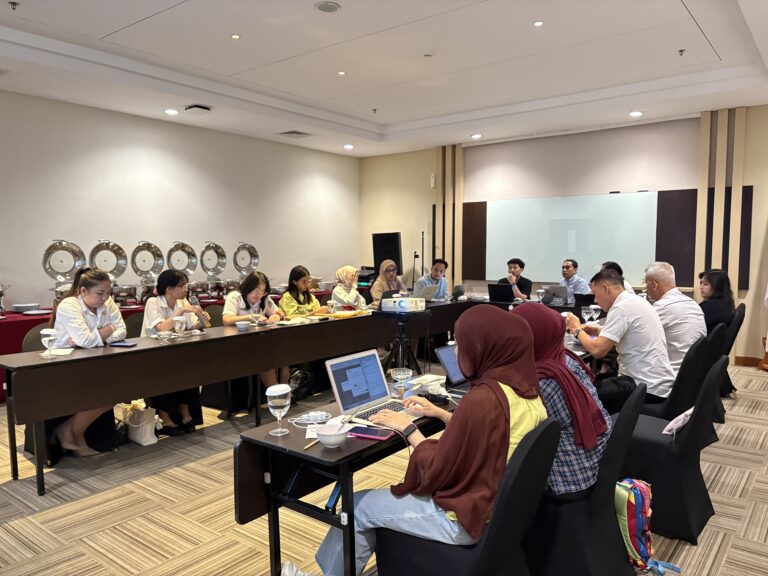
- The NZ 2.2 team conducted an inter-agency FGD in Manado, which showed that healthcare facilities in the city are beginning to shift towards more environmentally friendly practices.
About the Research Collaborators and Funding
This research is part of the PAIR Sulawesi project. PAIR Sulawesi is funded by the Australian Government through the Department of Foreign Affairs and Trade (DFAT) and the Government of the Republic of Indonesia through the Ministry of Higher Education, Science, and Technology (MoHEST), via the Indonesia Endowment Fund for Education (LPDP).
Supported by the Australian Government (DFAT) and the Indonesian Government (MoHEST and LPDP), PAIR Sulawesi is led by the Australia-Indonesia Centre (AIC) at Monash University and Universitas Hasanuddin.