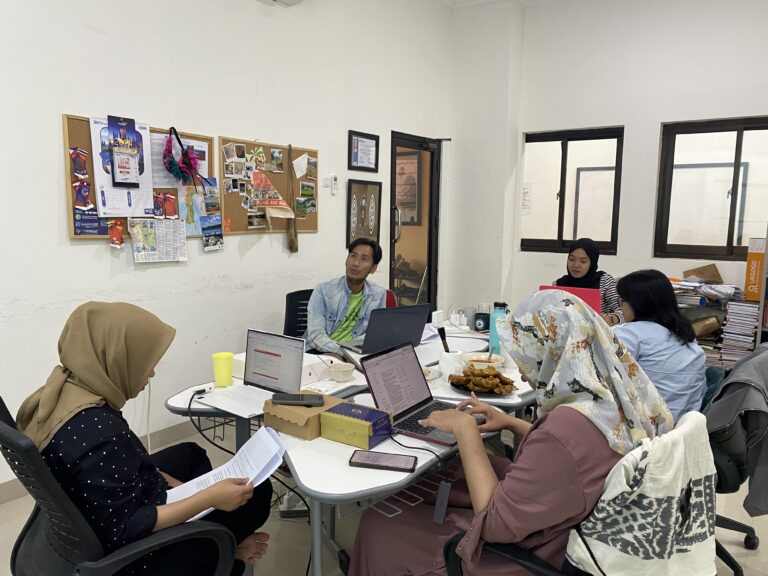
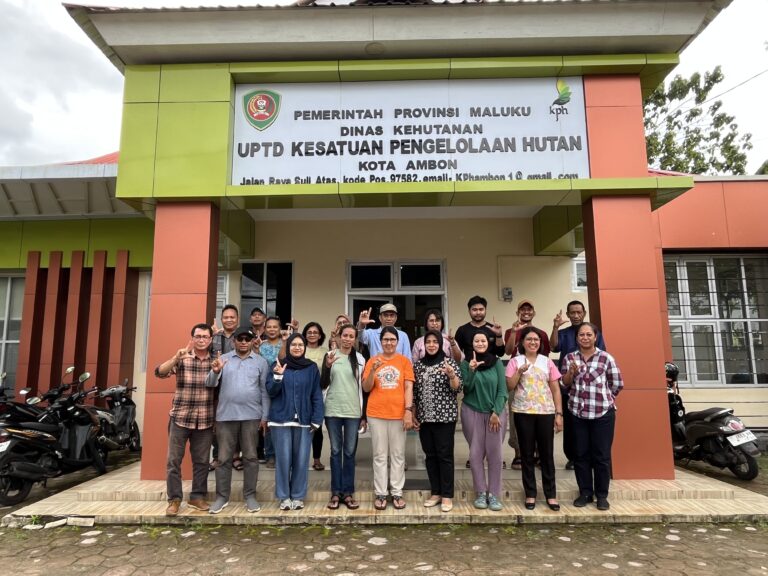
Research on the rapid transformation of forest and agricultural frontiers often focuses on large-scale environmental changes, while paying less attention to how these changes affect different groups within local communities. To address this gap, the Forest and Society Research Group (FSRG) at Hasanuddin University’s Faculty of Forestry, together with the University of West Sulawesi and with support from RECOFTC through EXPLORE, conducted a series of participatory community workshops in two field sites: Rompegading Village and Tamalea Village.
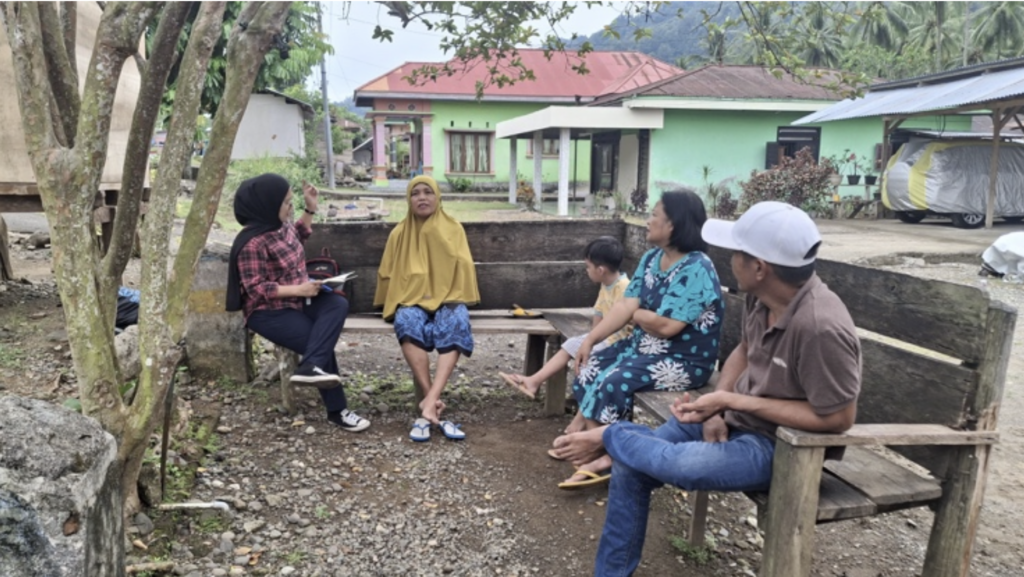
Instead of relying only on conventional, top-down surveys, the research teams used interactive and conversational workshops that encouraged residents to share their experiences and reflect together. In Tamalea Village, a team of six researchers held daily discussions from April 8 to 14, 2026. Another six-person team conducted similar sessions in Rompegading Village from April 16 to 23, 2026. In both villages, the researchers worked closely with local governments and residents to understand how daily responsibilities, power relations, and access to natural resources are shaped within households and the wider community.
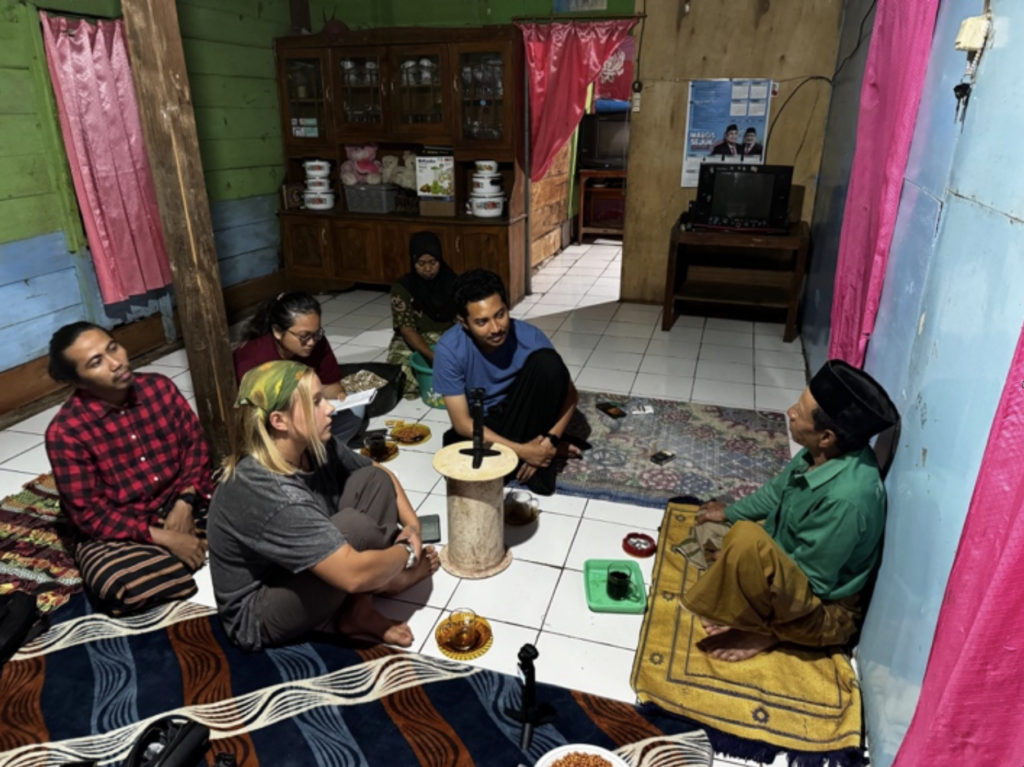
The workshops provided important insights into gender relations in both communities. The discussions looked closely at how work is divided between men and women, highlighting the heavy and often unequal responsibilities women carry in both agricultural and domestic work. They also revealed differences in who can access and control important resources, showing how these limitations can affect women’s independence. By discussing how decisions are made within households and local institutions, the workshops also identified barriers that limit women’s participation in community decision-making.
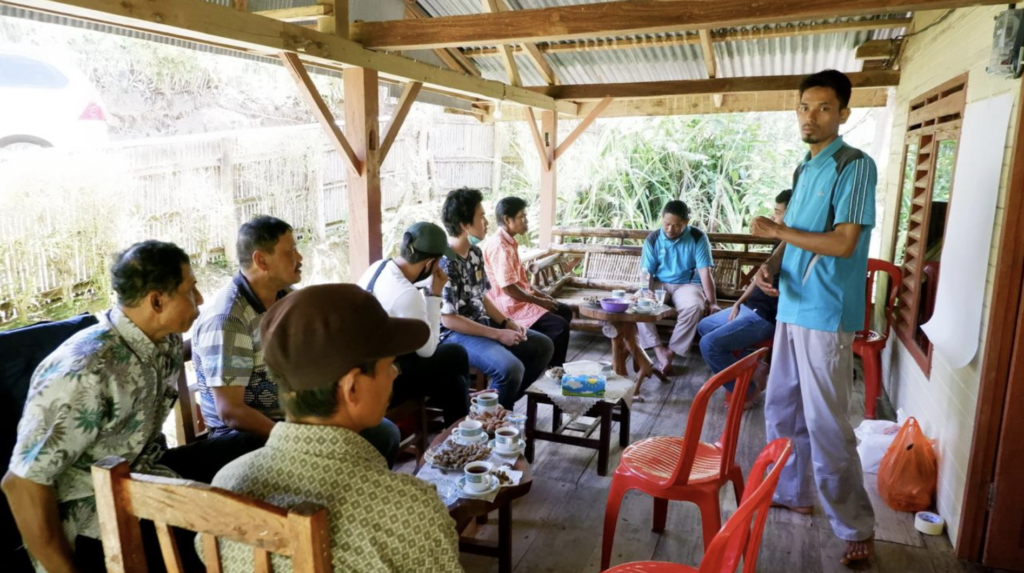
These discussions helped show that the impacts of environmental change are not shared equally. While some people carry more of the work and risks linked to these changes, others may have greater access to the benefits and resources that come with them.
More than a way to collect data, the workshops created a space for researchers and community members to learn from one another. The findings and recommendations from Rompegading and Tamalea will contribute directly to the development of an Inclusive Community Facilitation Module, helping ensure that future village-level programmes are based on local experiences, needs, and concerns.