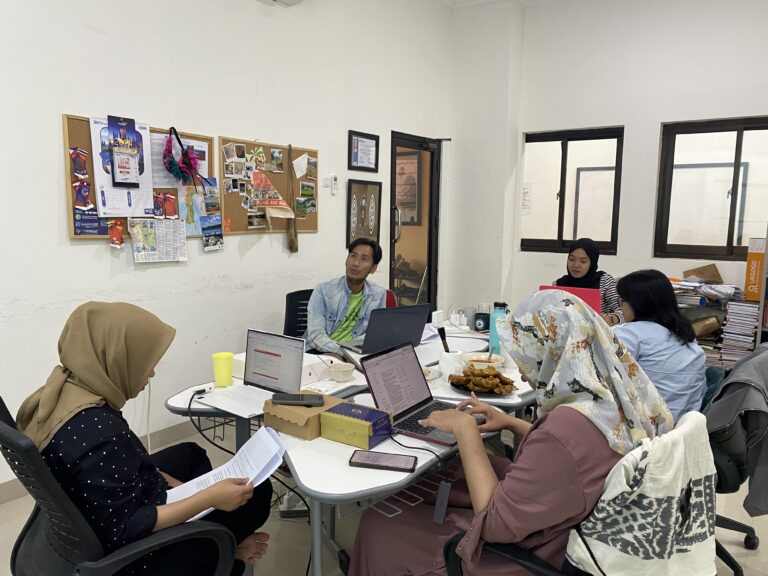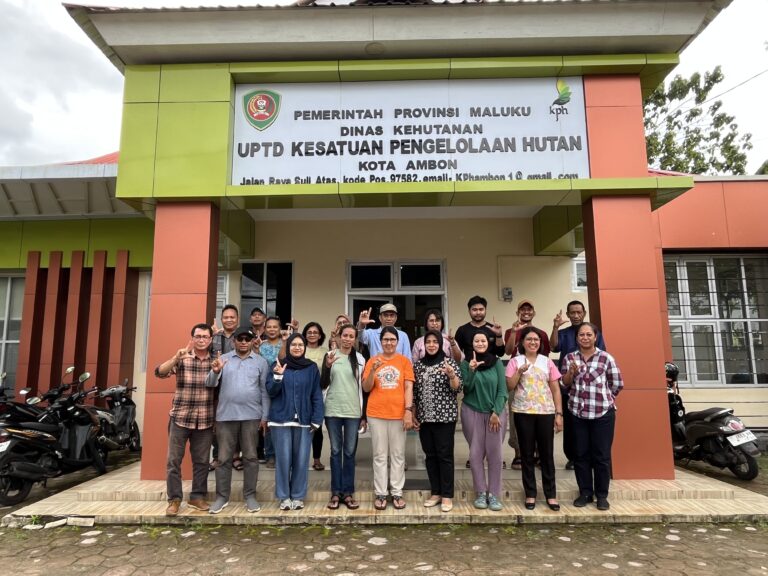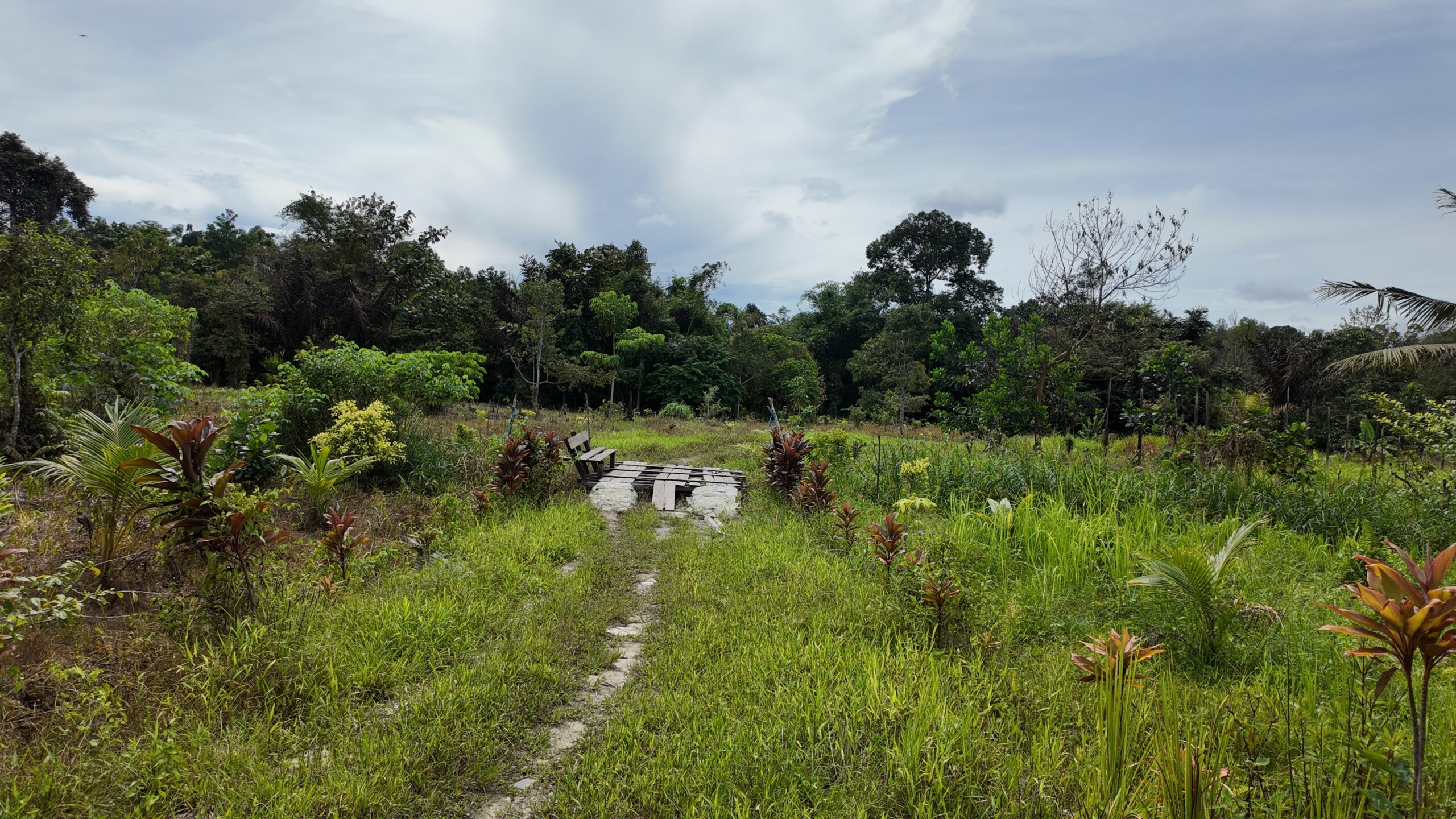

MAKASSAR, Indonesia Jan 20 2026/FSRG/ – Imagine being given legal rights to manage a forest, only to find that someone else still has a say over what happens there.
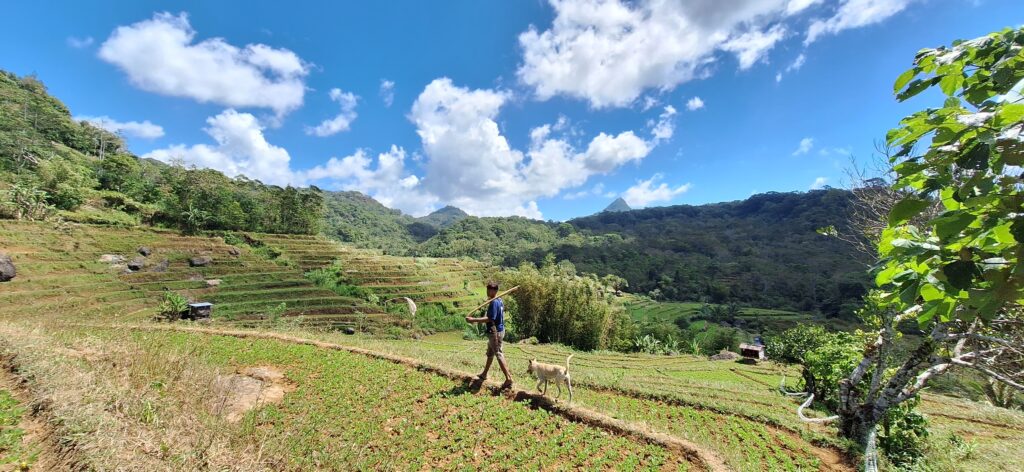
This is what our research found in parts of Maros, South Sulawesi.
Indonesia’s social forestry program was designed to give local communities greater access to state forests and a stronger role in managing them. Since 2014, more than 7 million hectares have been allocated for community management. The idea is straightforward: communities should have greater control over forests, more secure access to resources, and better opportunities to improve their livelihoods. But having permit does not mean we have the power.
In the communities we studied, Forest Farmer Groups (Kelompok Tani Hutan, or KTH) could formally hold social forestry permits while companies continued to influence forest production and profits. In particular, control over pine resin harvesting and markets allowed corporate interests to remain influential even after communities had been formally included in the program. Profit-sharing arrangements and village-level patronage also helped maintain these relationships.
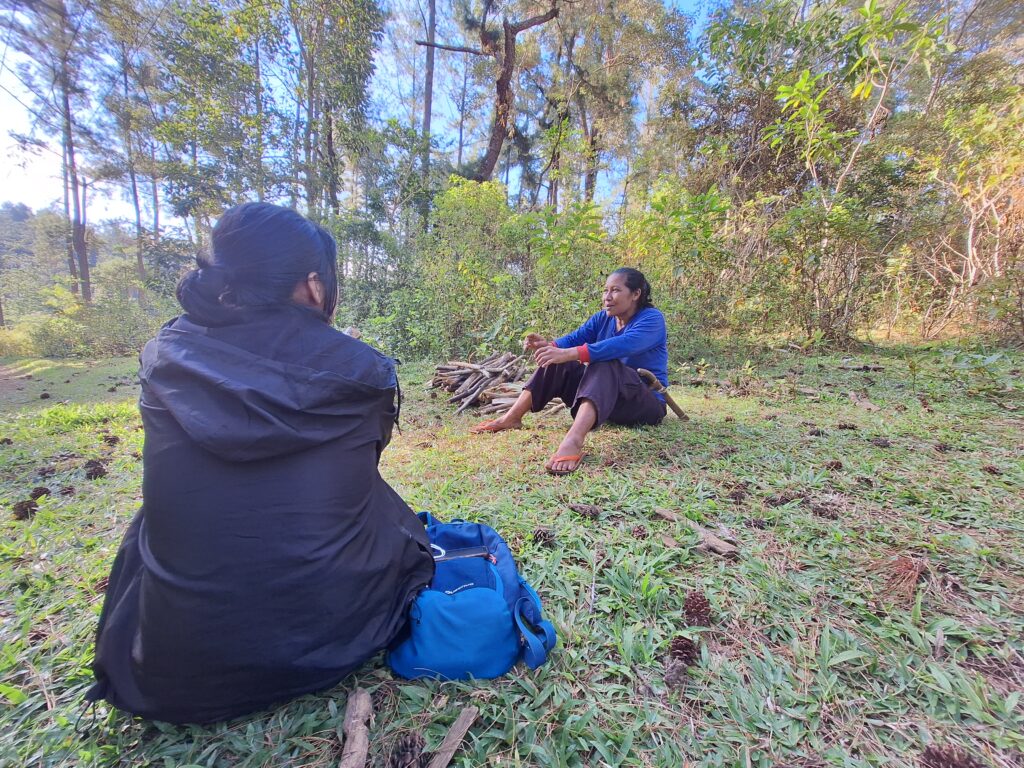
We describe this as “exclusion by inclusion.”
According to our published paper titled Sequencing the political forest: Power, exclusion, and the corporate hijacking of social forestry in Indonesia which was published on Journal Forest Policy and Economics on 20 November 2025, people are included in the policy. They have permits, form groups, and become recognised participants in forest governance. Yet this formal inclusion does not necessarily give them meaningful control over the resources or decisions that affect their livelihoods.
To understand how this happens, we need to look at what came before social forestry.
The forests of Maros have been shaped by decades of intervention. Colonial forest boundaries, forced resettlement during the Darul Islam/Tentara Islam Indonesia (DI/TII) rebellion, and state-led reforestation changed how communities accessed and used forests. These interventions disrupted local livelihoods and created patterns of dependency that continued into later forms of forest governance. Social forestry entered this already unequal landscape.
The process of obtaining a permit is also highly administrative. Communities need maps, proposals, management plans, and must go through various stages of verification. While these requirements are intended to organise and support the program, they can also favour actors with greater technical knowledge, resources, and institutional connections. This is where participation can take an unexpected turn.
During the application process, corporate interests and bureaucratic actors can shape how the program is implemented. After permits are granted, power can continue through markets, local relationships, and control over production. In our cases, this meant that community members could remain dependent on companies even within areas formally allocated for community management.
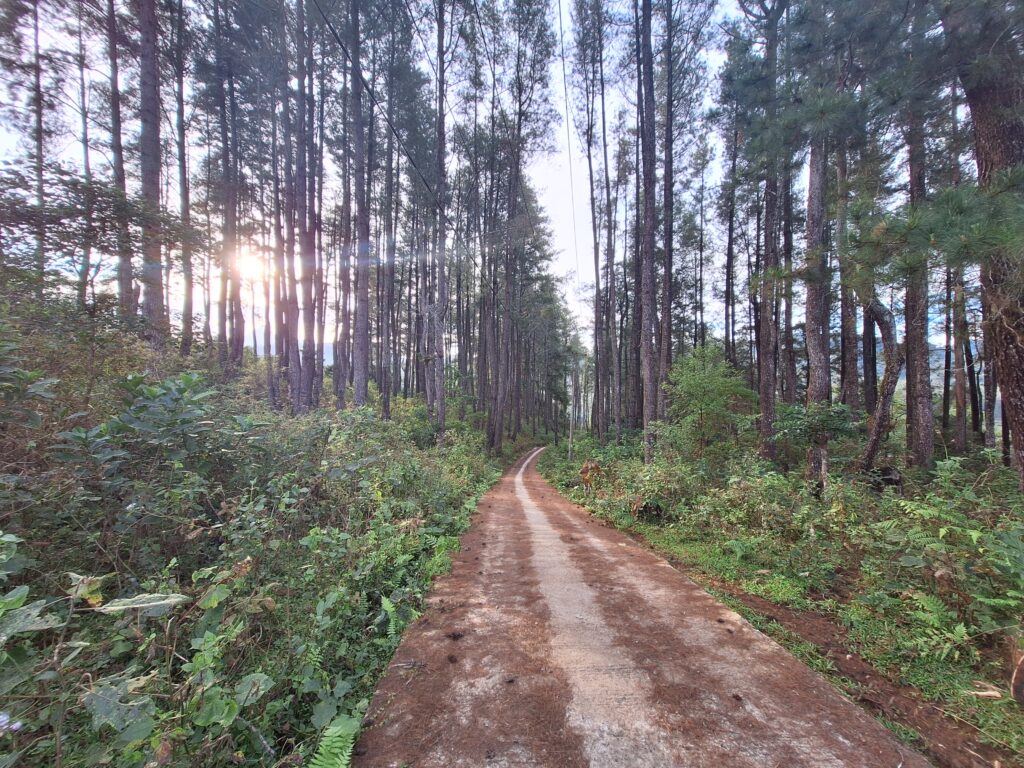
The lesson is not that social forestry has no value. The program provides communities with important legal management rights, including access to non-timber forest products, agroforestry, and environmental services. The issue is what happens when these formal rights meet older and unequal relationships of power. This is why the success of social forestry cannot be measured only by the number of hectares allocated or permits issued.
We also need to ask: Who actually makes the decisions?, Who controls the resources?, Who receives the benefits? And who has the power to say no?
A forest permit can give a community a legal right. But whether that right translates into real control depends on the relationships surrounding it.
This paper contributes to the Sustainable Development Goals (SDGs), particularly SDG 3 (Good Health and Well-being) and SDG 4 (Quality Education). By examining how social forestry governance and unequal access to forest resources affect community livelihoods and well-being, the research highlights the conditions that shape the quality of life of forest-dependent communities. The paper also contributes to SDG 4 by generating and sharing knowledge that can support greater understanding of social forestry, forest governance, and the challenges communities face in managing natural resources.
Reference
DOI: https://doi.org/10.1016/j.forpol.2025.103668
Contact:
Irfan Saputra, S.Hut, M.Hut
+62853-9876-3426
putrajusman013@gmail.com