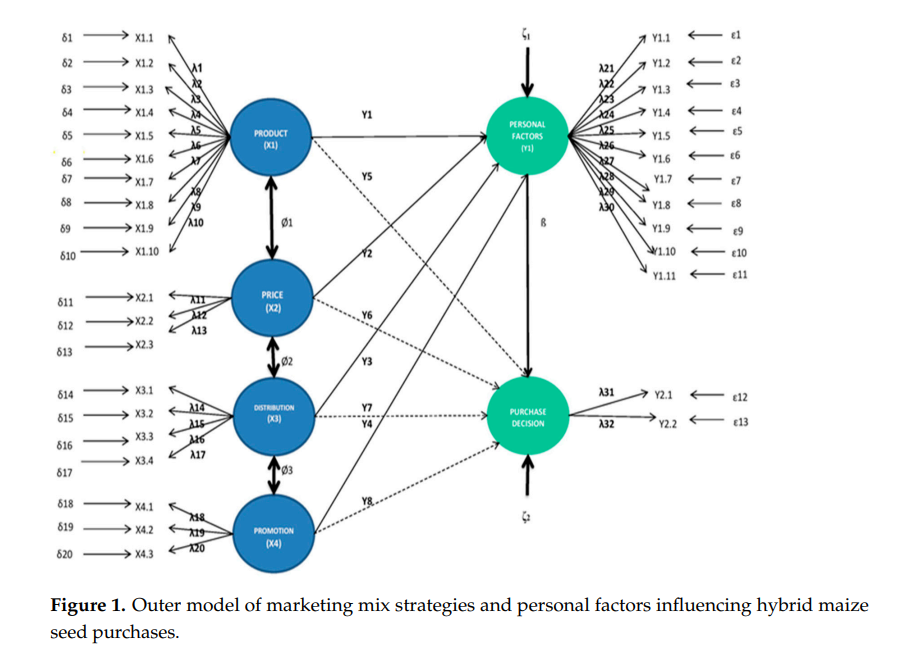

Makassar, Indonesia 29 March 2025/FCVC/-In modern agriculture, success is no longer determined only by how much farmers produce—it also depends on how they choose their inputs. One important example is hybrid maize seeds, which play a key role in improving productivity and ensuring food security. But what influences farmers when they decide which seeds to buy? This question is explored in the study titled “Analyzing Marketing Mix Strategies and Personal Factors Influencing BISI Hybrid Maize Seed Purchases: Insights from Agricultural Development in Soppeng District, Indonesia,” published in the journal Sustainability by MDPI on 21 March 2025.
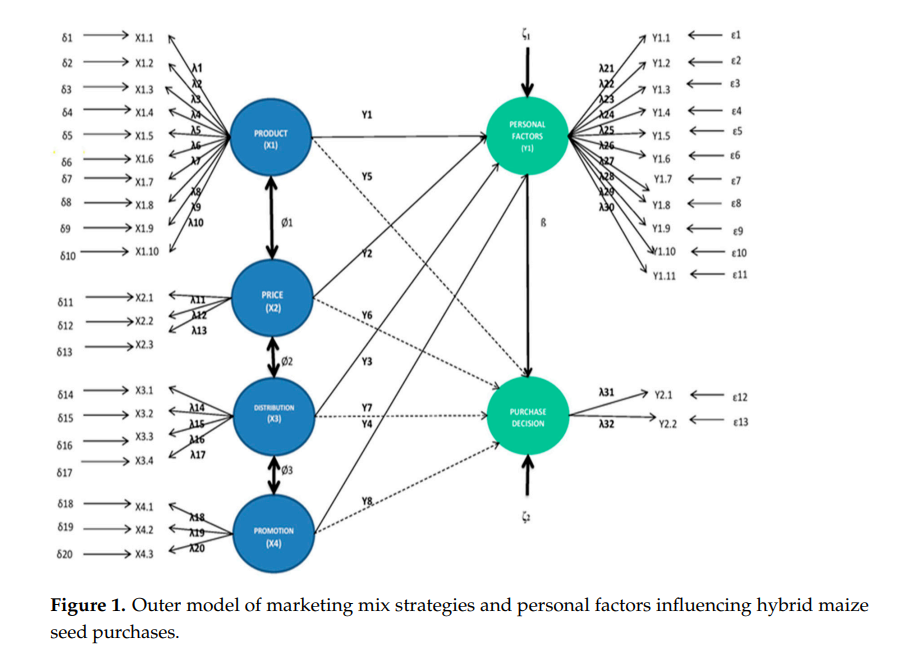
The research shows that farmers’ decisions are shaped by two main factors: marketing strategies and personal characteristics. Marketing strategies include product quality, price, promotion, and distribution—often referred to as the “marketing mix.” Among these, product quality and availability are the most important. Farmers prefer seeds that are proven to produce high yields, resist pests, and adapt to local conditions. This directly supports SDG 2: Zero Hunger, as better seeds lead to higher productivity and more stable food supply.
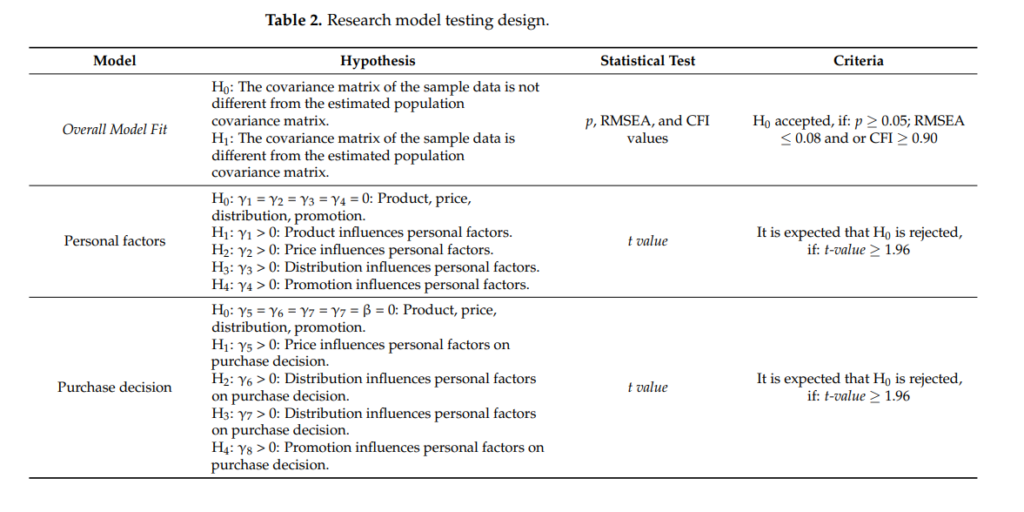
Price also plays a critical role. Many farmers operate with limited financial resources, so they must carefully balance cost and benefit. The study highlights that competitive pricing, along with accessible distribution channels, helps farmers adopt better agricultural inputs. When seeds are both affordable and easy to access, more farmers can improve their production systems. Another interesting finding is the influence of personal factors such as education, experience, and access to information. Farmers with better knowledge are more likely to choose high-quality seeds and adopt modern practices. This shows the importance of awareness and information-sharing in agriculture.
The study also connects to SDG 12: Responsible Consumption and Production. Choosing the right seeds is not just about increasing output—it is also about using resources efficiently. High-quality hybrid seeds can reduce the need for excessive fertilizers and pesticides, leading to more sustainable farming practices. This helps protect the environment while maintaining productivity. In addition, collaboration between different actors plays a major role. Seed companies, agricultural extension workers, government institutions, and farmers all contribute to the decision-making process. Promotional activities, training programs, and demonstrations help farmers understand the benefits of improved seeds. This reflects SDG 17: Partnerships for the Goals, where cooperation between stakeholders strengthens agricultural development.
However, the study also identifies challenges. Some farmers still rely on traditional seeds due to limited trust in new products or lack of information. Others face difficulties in accessing reliable suppliers. These barriers highlight the need for better communication, stronger distribution systems, and more inclusive policies.
In conclusion, the future of agriculture depends not only on innovation but also on how that innovation reaches farmers. By improving marketing strategies, strengthening partnerships, and promoting responsible farming practices, hybrid maize seeds can play a key role in building a more sustainable food system. Supporting SDG 2, SDG 12, and SDG 17 is essential to ensure that farmers have the tools they need to feed growing populations while protecting the environment.
Reference:
DOI: https://doi.org/10.3390/su17072800
Contact:
Prof. Rahim Darma
+62 852-5564-6556
rdarma@unhas.ac.id