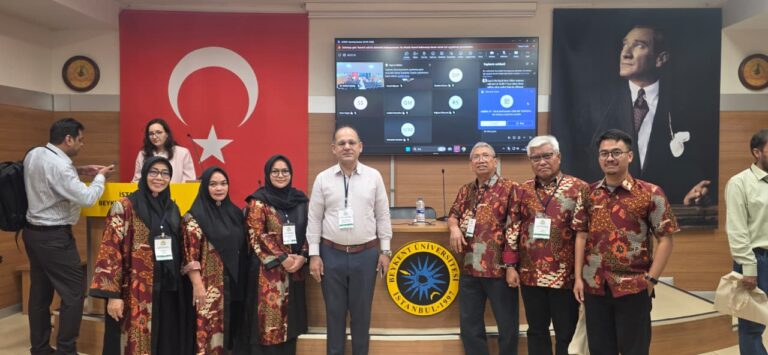
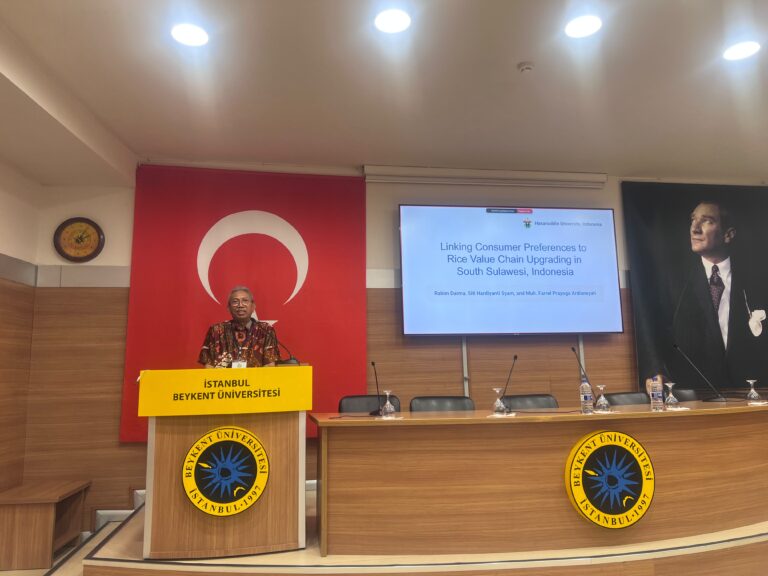
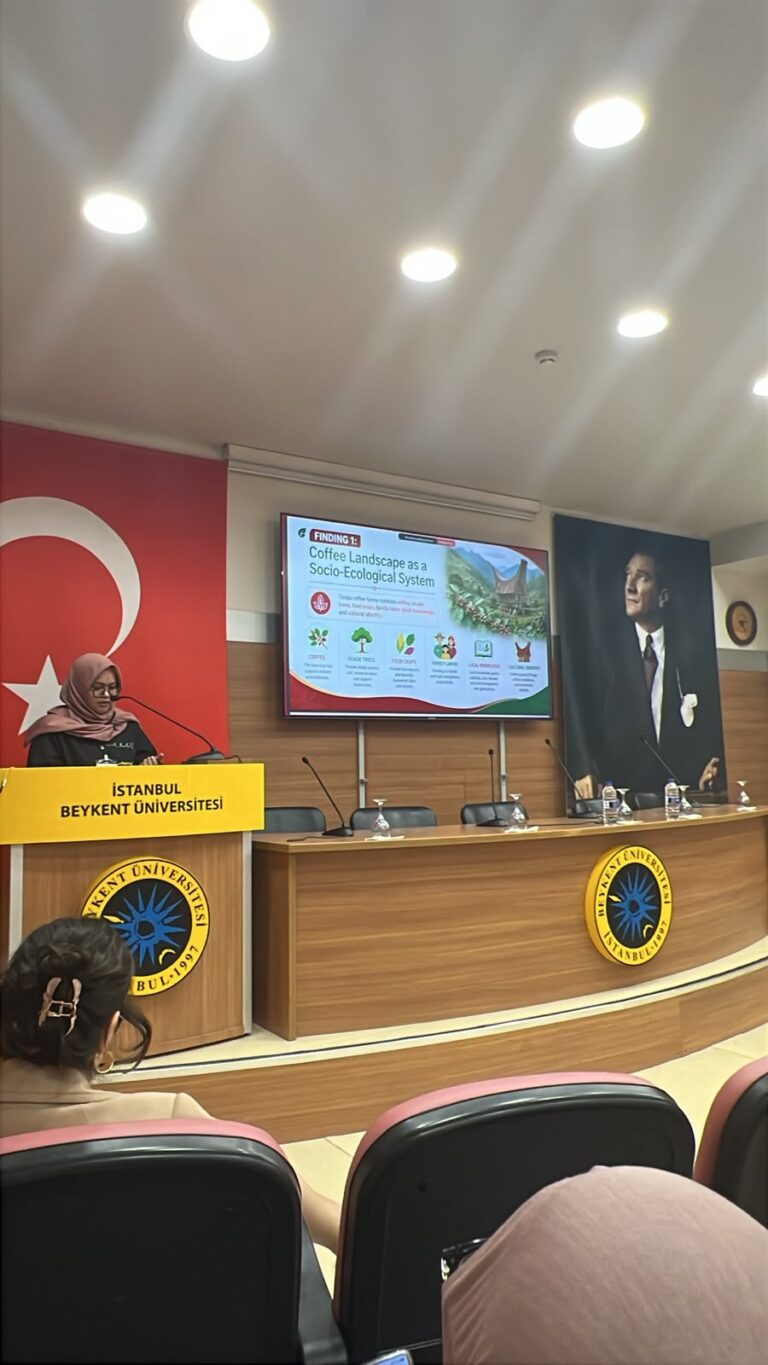
Makassar, Indonesia 01 March 2026/FCVC/-What if a simple smartphone could change a farmer’s life? In Maros Regency, Indonesia, this idea is becoming reality. Farmers are beginning to use digital tools to access information about weather, crops, and markets. But technology alone is not enough—the real key lies in how farmers participate and engage with it. This article is based on the research titled “Determinants of Farmer Groups Participation in Enhancing the Benefits of Digital Agricultural Extension, Maros Regency, Indonesia: Using Structural Equation Modeling,” published in the International Journal of Agriculture and Biosciences by USP Publishers in March 2026.
The study explains that digital agricultural extension helps farmers make better decisions. These tools provide real-time information on weather, pests, and market prices. However, not all farmers benefit equally. Many still face challenges such as limited internet access, lack of skills, and low motivation. This issue connects strongly with SDG 1 (No Poverty). Farmers are often among the most economically vulnerable groups. When they cannot access or use digital tools effectively, they miss opportunities to improve productivity and income. The research shows that participation is the main factor that determines whether farmers actually benefit from these technologies. Education also plays a crucial role. Farmers with better knowledge and training are more likely to adopt digital tools successfully. The article highlights on page 3 that education level and experience influence how farmers respond to new technologies. This directly relates to SDG 4 (Quality Education), emphasizing the importance of continuous learning and training programs for farmers.
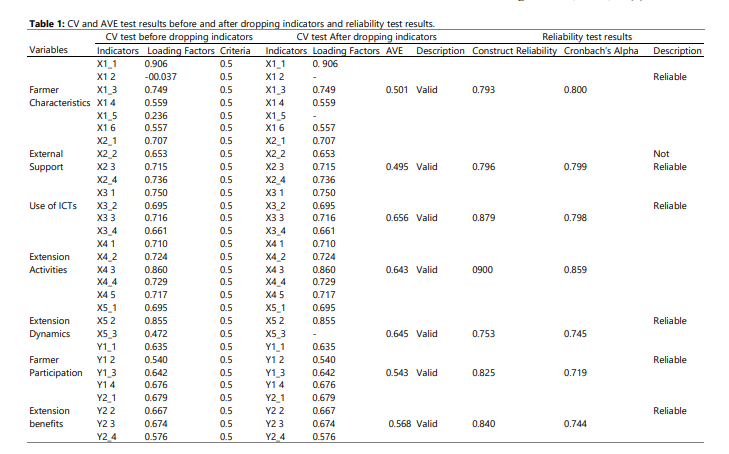
Another important aspect is the role of institutions. The study reveals that strong agricultural extension systems and effective leadership are essential to support farmers. According to the model shown on page 5, factors like external support, extension dynamics, and communication systems shape farmer participation. This aligns with SDG 16 (Peace, Justice, and Strong Institutions), where transparent and responsive institutions help ensure fair access to resources and information. Collaboration is also a major theme. The research emphasizes partnerships between government agencies, universities, private companies, and farmer groups. On page 2, it is explained that these collaborations improve access to technology, training, and financial support. This reflects SDG 17 (Partnerships for the Goals), showing that cooperation is essential for sustainable agricultural development.
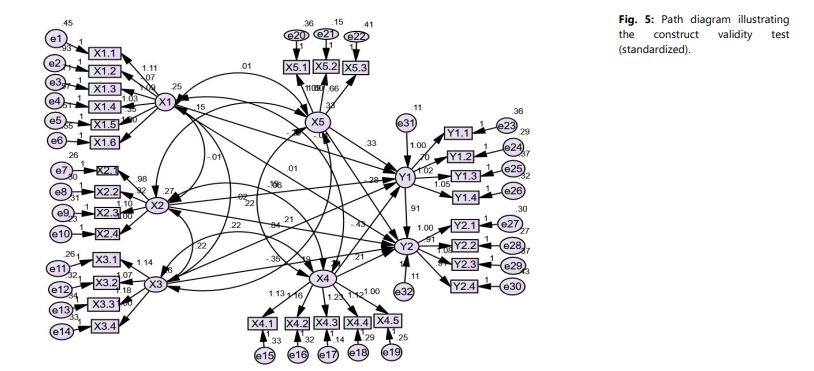
Interestingly, the study finds that technology itself does not directly improve outcomes. Instead, benefits come when farmers actively participate—sharing knowledge, attending training, and applying what they learn. As highlighted in the results (page 12), farmer participation strongly influences the success of digital extension programs. In simple terms, digital farming is not just about tools—it is about people. Without active involvement, even the most advanced technology will fail to make a real impact.
In conclusion, the future of agriculture depends on empowering farmers through education, strong institutions, and collaboration. By supporting SDG 1 (No Poverty), SDG 4 (Quality Education), SDG 16 (Strong Institutions), and SDG 17 (Partnerships), digital agricultural innovation can become a powerful solution for building a more inclusive and sustainable rural economy.
Reference:
DOI: https://doi.org/10.47278/journal.ijab/2025.206
Contact:
Prof. Rahim Darma
+62 852-5564-6556
rdarma@unhas.ac.id