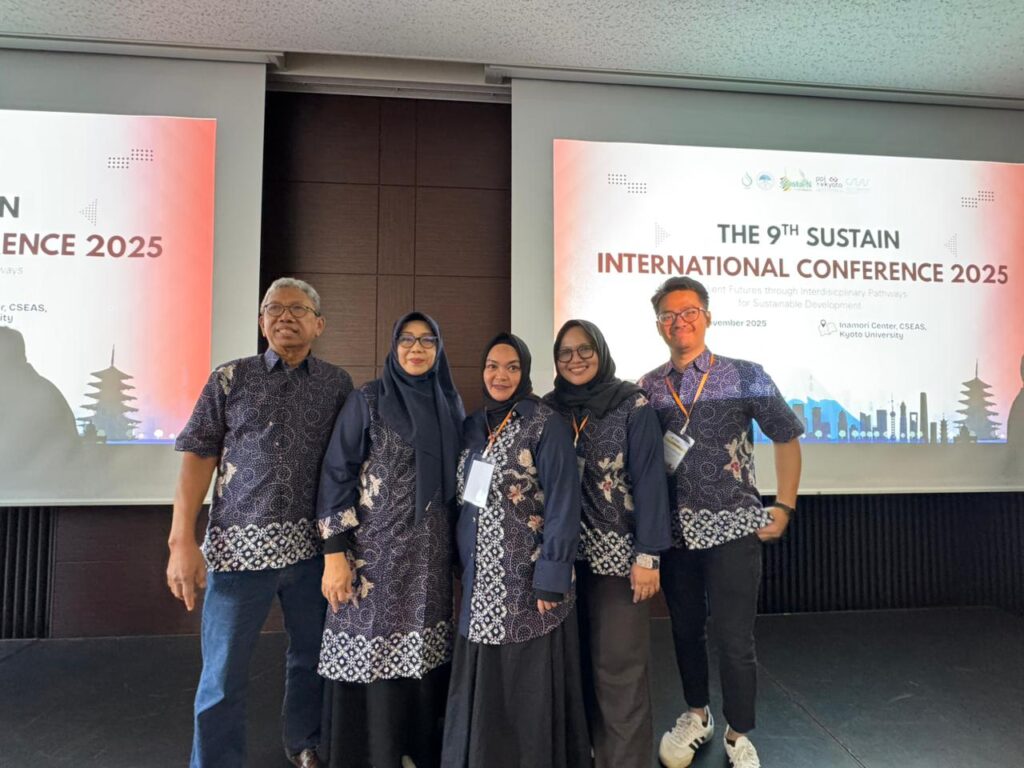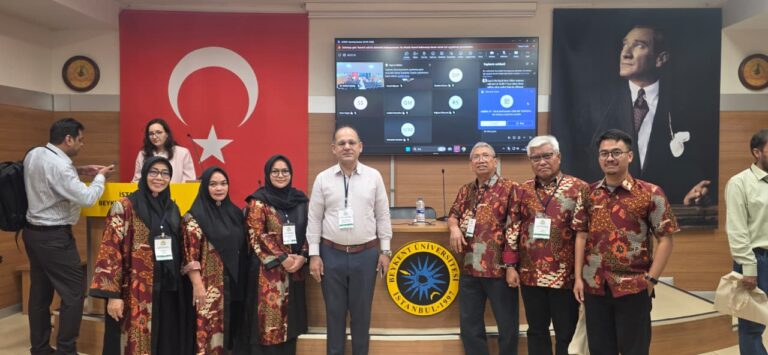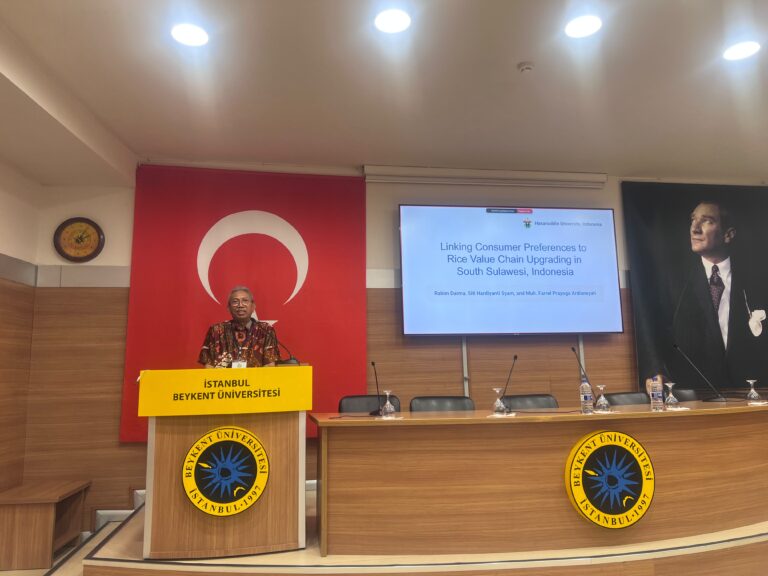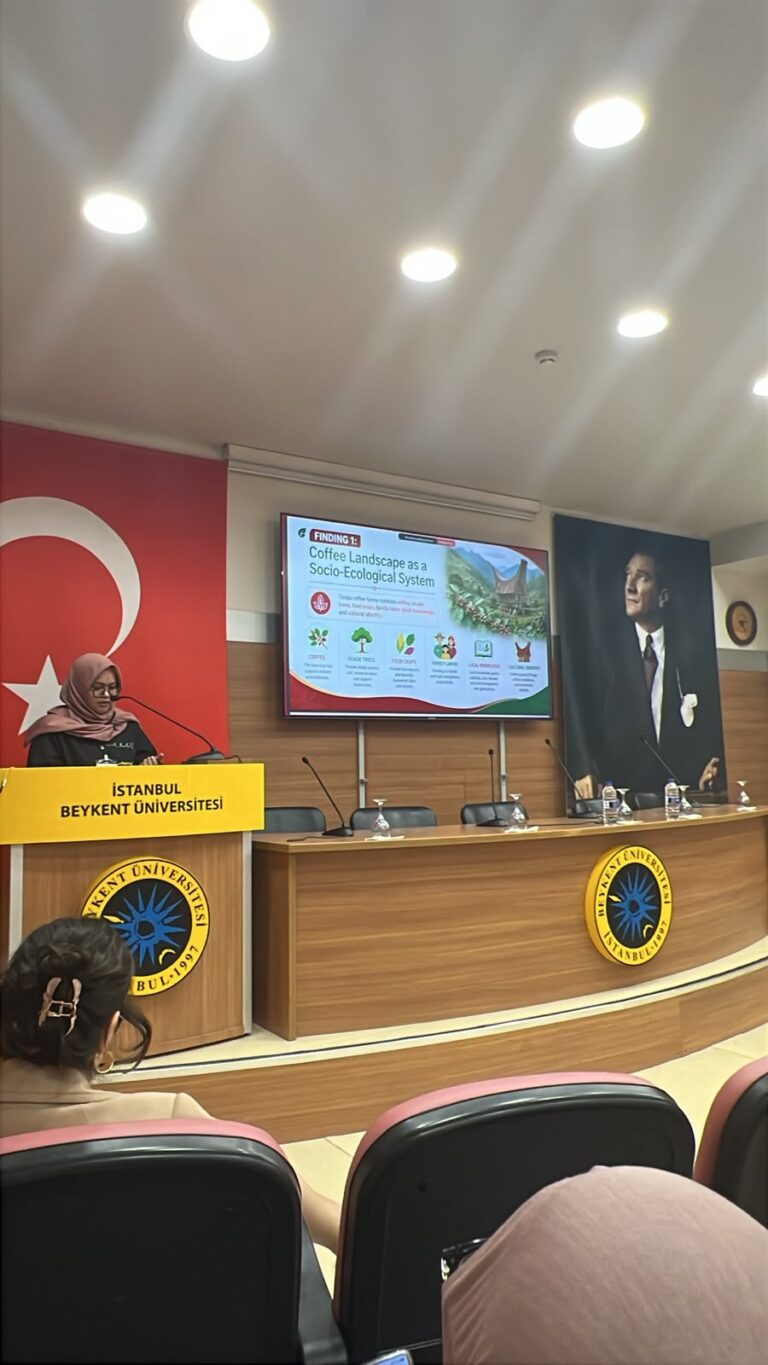

Makassar, Indonesia 04 December 2025/FCVC/– Positioning local agricultural systems within global sustainability discourse, the Food Crops Value Chain Thematic Research Group (FCVC TRG) participated in The 9th International Conference on Sustainable Future for Human Security (SustaiN 2025), held in Kyoto, Japan, on November 18, 2025. The conference, themed “Resilient Futures through Interdisciplinary Pathways for Sustainable Development,” brought together researchers, practitioners, and policymakers to address complex global challenges through integrated approaches. Within the Sustainable Agriculture track, FCVC TRG contributed by presenting research that highlights the intersection of cultural heritage, environmental stewardship, and livelihood resilience in South Sulawesi. This participation reflects the group’s broader commitment to positioning local agricultural systems as relevant contributors to global sustainability transitions.
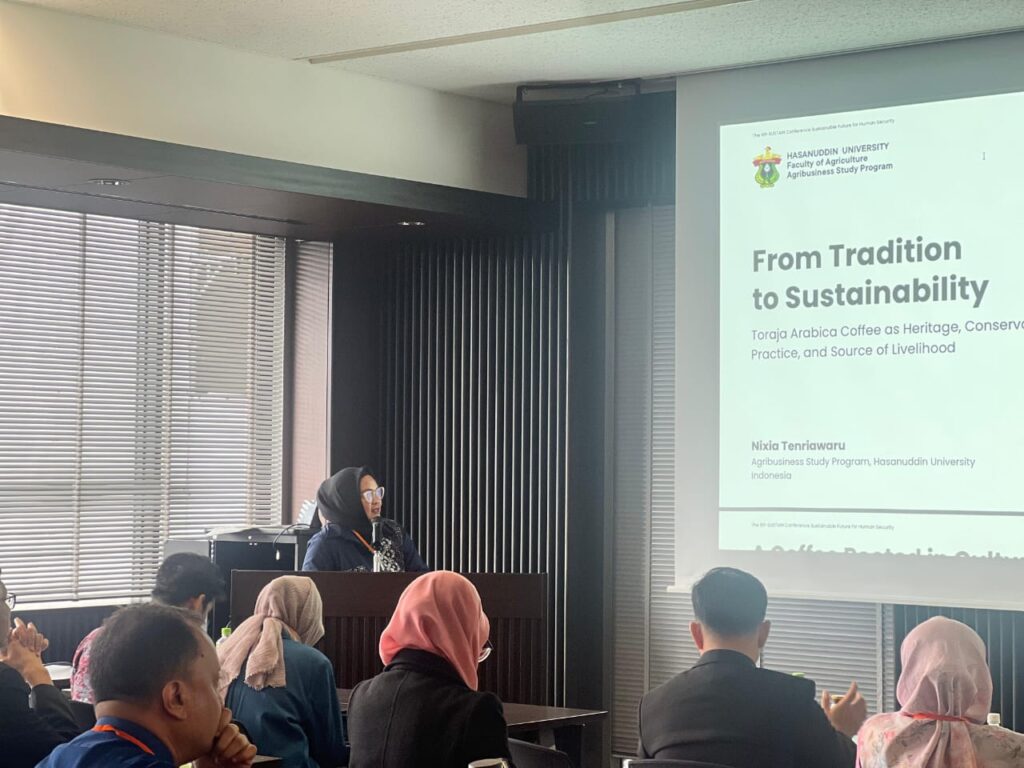
Prof. Nixia Tenriawaru presented a paper titled “From Tradition to Sustainability: Toraja Arabica Coffee as Heritage, Conservation Practice, and Source of Livelihood.” The presentation demonstrated how Toraja Arabica coffee functions as a multi-dimensional asset, combining cultural, ecological, and economic values. It highlighted how traditional farming practices contribute to biodiversity conservation and sustainable land management, particularly in highland ecosystems. At the same time, the study emphasized the role of specialty coffee in strengthening rural livelihoods by creating premium market opportunities for smallholder farmers. This study offered a compelling example of how local knowledge can support long-term sustainability outcomes by framing coffee not only as a commodity but also as a heritage-based system.
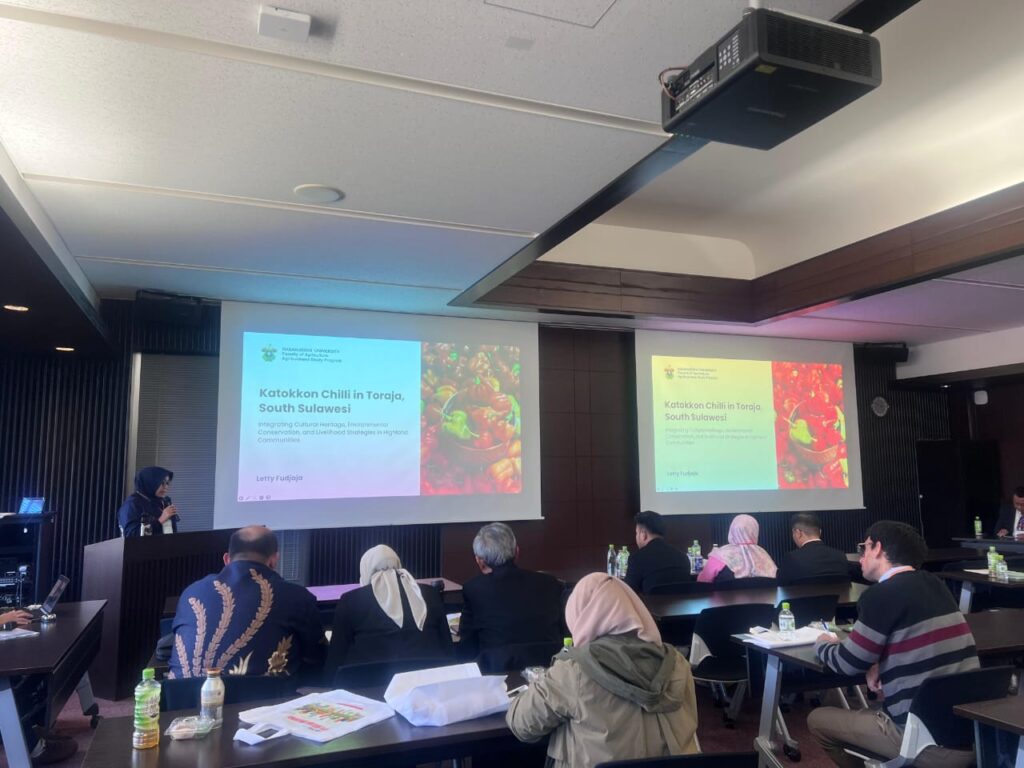
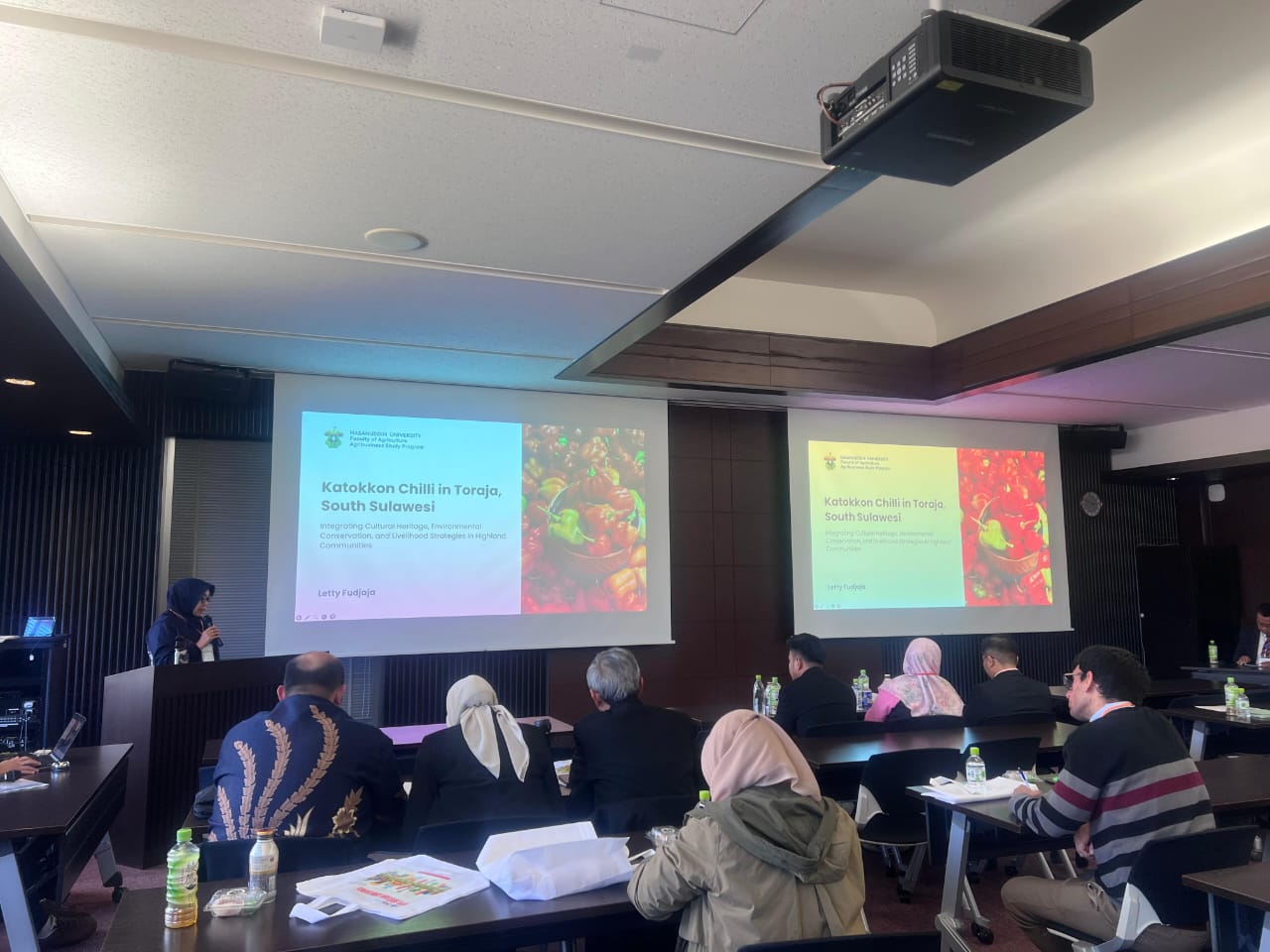
In a complementary perspective, Dr. Letty Fudjaja presented “Katokkon Chili in Toraja, South Sulawesi: Integrating Cultural Heritage, Environmental Conservation, and Livelihood Strategies in Highland Communities.” This study focused on the significance of Katokkon chili as a locally embedded crop that supports both ecological resilience and economic stability. The presentation illustrated how traditional cultivation practices help maintain soil health, preserve agro-biodiversity, and sustain production systems adapted to highland conditions. In addition, it highlighted the importance of strengthening local value chains to ensure that economic benefits are retained within communities. By emphasizing the integration of environmental and livelihood strategies, the research underscored the importance of indigenous crops in building sustainable and resilient food systems.
Through its participation in SustaiN 2025, FCVC TRG strengthened its global academic engagement while showcasing how localized agricultural systems can contribute to broader sustainability goals. The research aligns with SDG 1 (No Poverty) by supporting income generation for rural communities, SDG 2 (Zero Hunger) through sustainable and locally adapted food production, SDG 10 (Reduced Inequalities) by promoting inclusive development in marginalized highland areas, and SDG 17 (Partnerships for the Goals) by fostering international collaboration and interdisciplinary exchange. This engagement not only enhanced the visibility of South Sulawesi’s agricultural systems but also opened opportunities for future research partnerships, reinforcing the role of Indonesian scholarship in advancing resilient and inclusive global food systems.