
MAKASSAR, Indonesia Apr 4 2026/FINRA/ – Most people think public sector fraud is only about stolen money. In reality, it is also about weakened trust, delayed programs, and poorer public services. When financial reporting inside government is weak, the damage reaches far beyond accounting offices. It affects citizens directly because public money is supposed to support people, not disappear into weak systems and poor oversight.
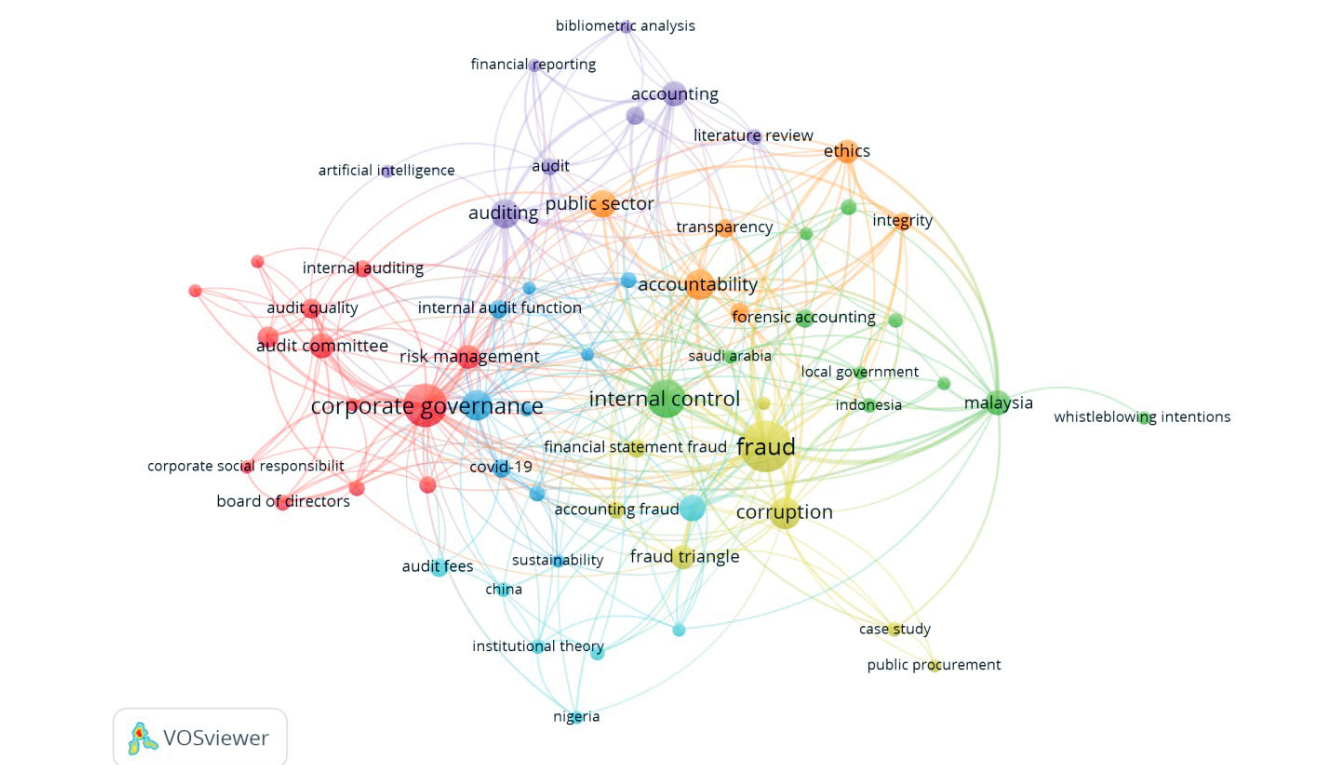
That is why a recent bibliometric study on internal control and public sector accounting fraud feels so important. Instead of looking at only one scandal or one country, the researchers mapped the global research conversation itself. They reviewed 473 eligible papers published between 2018 and 2023 and found that three ideas dominate the field: fraud, corporate governance, and internal control. In other words, the world is paying more attention not only to how fraud happens, but also to how public institutions can stop it before it starts.
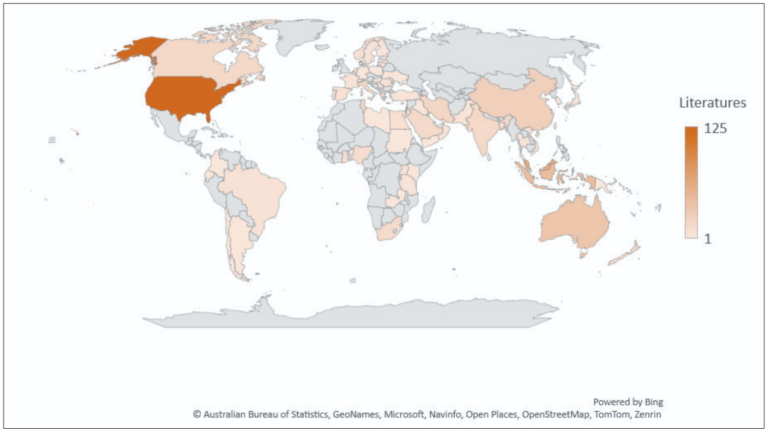
The study also shows that this topic is growing fast. Research output rose from 51 articles in 2018 to a peak of 112 in 2022. The United States produced the highest number of publications overall, while Malaysia and Indonesia stood out as major contributors in Asia. The article also highlights that collaboration across countries is becoming a major force in this field, especially as governments face similar pressures involving reform, transparency, and public accountability.
Just as interesting, the research agenda is changing. Earlier discussions focused heavily on fraud, corruption, and the fraud triangle. Later, more attention moved toward audit committees, forensic accounting, audit quality, and internal audit. By 2023, even artificial intelligence appeared as an emerging theme. This shift suggests that the conversation is becoming more practical, more technological, and more future-oriented.
Another important insight is that fraud prevention is not just about rules on paper. Strong internal control means clear procedures, active audits, reliable reporting, responsible leadership, and regular monitoring. The article also discusses the value of education and training, noting that public employees need better awareness of ethics, fraud risks, and reporting procedures. Whistleblower protection, secure complaint systems, and digital monitoring tools can all strengthen the fight against fraud.
This issue connects directly with SDG 17: Partnerships for the Goals. The study stresses the importance of international collaboration, and that message matters. Fraud in public finance is a shared challenge. Universities, governments, auditors, civil society, and policymakers all have a role to play. When countries learn from one another, share evidence, and build stronger systems together, they create better conditions for trust and better use of public money. Internal control may sound technical, but its impact is deeply human. Honest reporting helps governments protect resources, improve services, and remain accountable to citizens. Clean books are not only good for accountants. They are good for communities, good for democracy, and good for development.
Reference:
https://doi.org/10.22452/ajba.vol18no2.2
Article Metadata:
Title: Global Trends in Internal Control and Public Sector Accounting Fraud Research: A Bibliometric Study
Journal: Asian Journal of Business and Accounting
Publisher: Universiti Malaya
Publication Date: 8 January 2026