
A company announces rising profits. Surely its share price will jump? Not necessarily. Investors may welcome the news, ignore it, or even sell their shares. The difference often comes down to a simple question: Do people trust the story behind the numbers?
Researchers have a name for the link between earnings news and share-price movements: the Earnings Response Coefficient, or ERC. Think of it as a way of measuring how strongly the stock market reacts when a company reports profits that differ from expectations. A stronger reaction suggests investors see the news as meaningful. But profits alone never tell the whole story.
This puzzle is explored in the article “Bibliometric Analysis of Earnings Response Coefficient: A Measure of Market Reaction to a Company’s Earnings Announcements and Key Drivers of Investor,” written by Syarifuddin Rasyid, Darmawati Darmawati, and Haryanto Haryanto. It was published in the Journal of Risk and Financial Management by MDPI on 2 March 2026. Rather than tracking one company, the authors mapped decades of academic research to see what scholars have learned about market reactions.
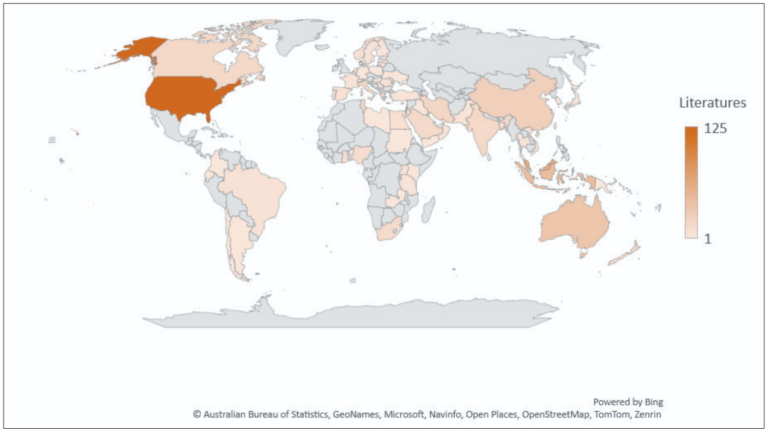
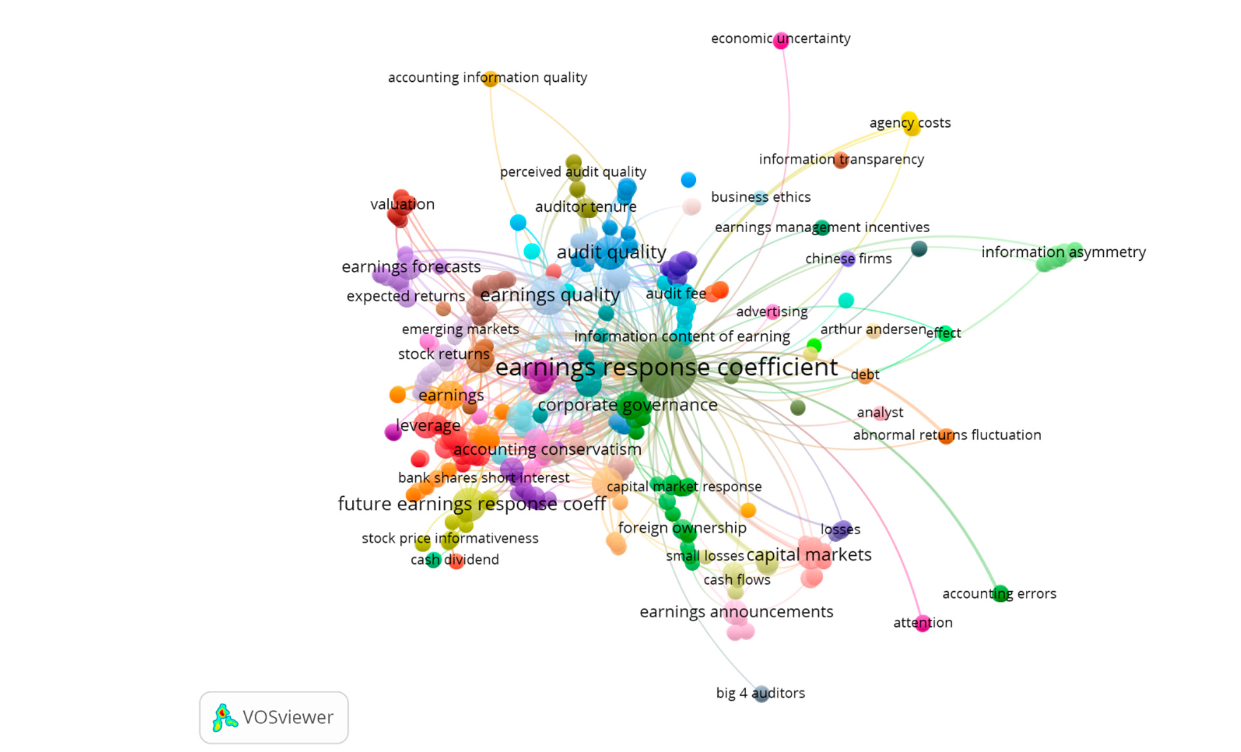
Their review covered 365 scientific articles published between 1989 and 2024, collected through Scopus and Google Scholar. It found that earnings quality, audit quality, and investor perceptions are recurring research themes. In everyday language, how much a company earns matters, but so does whether the numbers appear reliable and are clearly explained.
The study also highlights corporate social responsibility, including how businesses address social responsibilities, as an influential and well-connected topic in the research landscape. Other areas, such as income smoothing—making profits look steadier across reporting periods—and disclosure of a company’s knowledge and skills, deserve closer investigation. Economic uncertainty and the influence of financial analysts remain underexplored.
These findings carry a lesson beyond trading floors. Small investors, employees, and savers all benefit when financial information is understandable and trustworthy. A polished profit announcement is no substitute for clear reporting, independent scrutiny, and a willingness to answer difficult questions.
This is where Sustainable Development Goal 17 (SDG 17: Partnerships for the Goals) becomes relevant. Stronger partnerships among universities, businesses, regulators, auditors, and investor communities can help turn research insights into better financial communication. Researchers can identify gaps, companies can communicate more clearly, and regulators can encourage transparency. This connection to SDG 17 is a practical implication of the study, not an outcome the researchers directly measured.
The researchers also acknowledge that their sample may miss relevant studies and that citation patterns can be biased. So the findings offer a map of existing knowledge, not a guaranteed formula for predicting share prices.
The takeaway is simple: markets do not respond to profit figures in isolation. They respond to information, expectations, and confidence. Building that confidence requires more than good numbers; it requires people and institutions working together to make those numbers meaningful.