Description
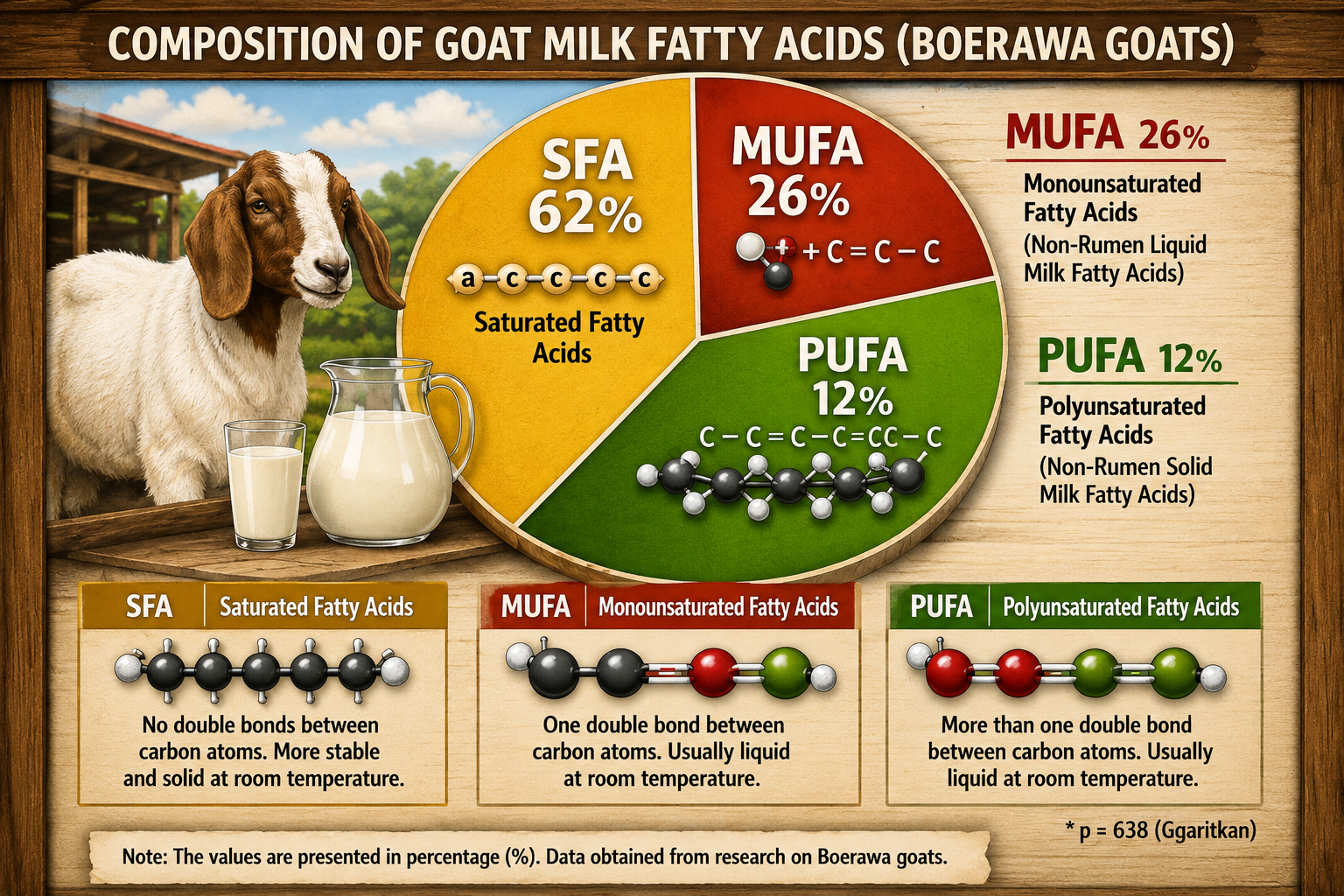
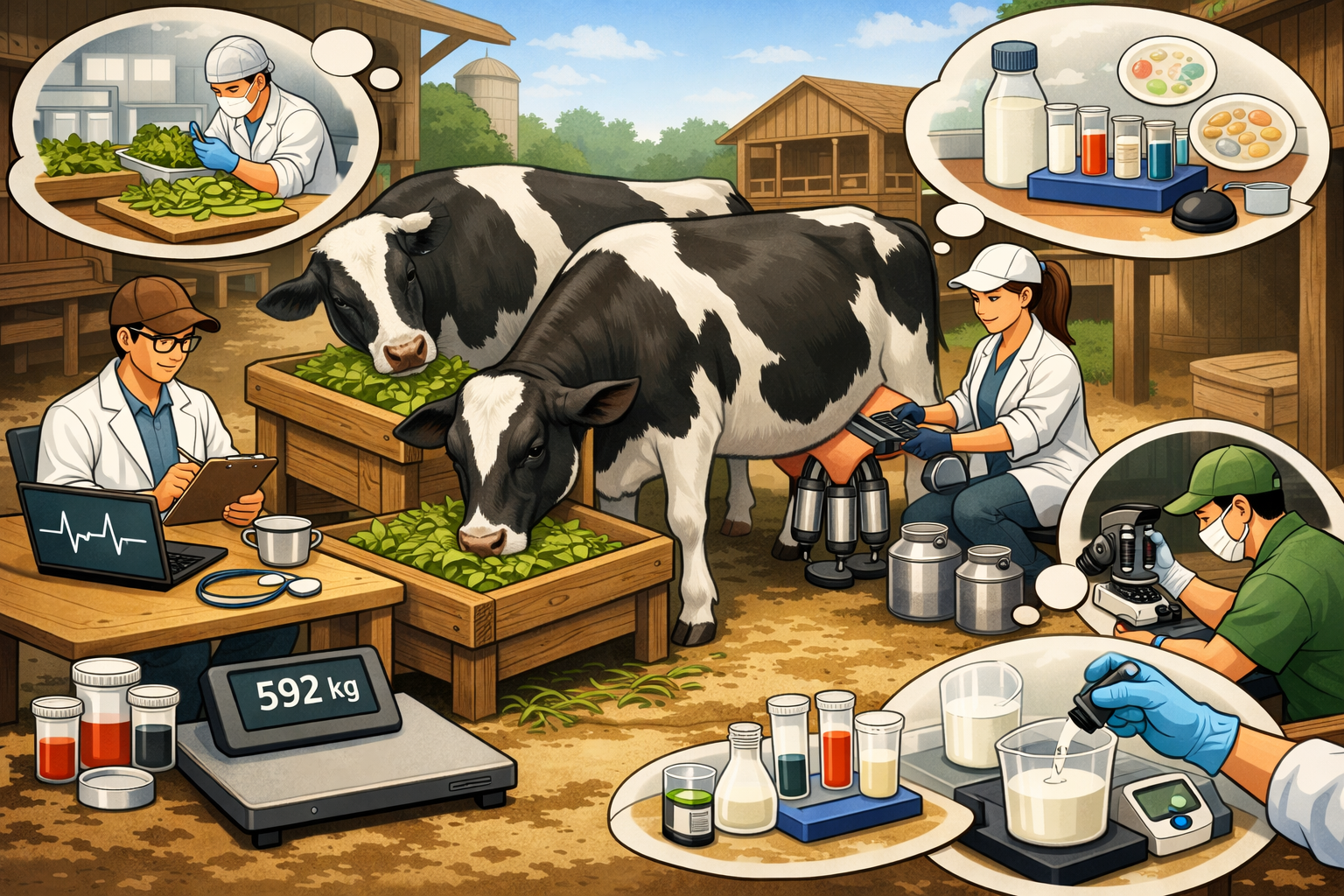
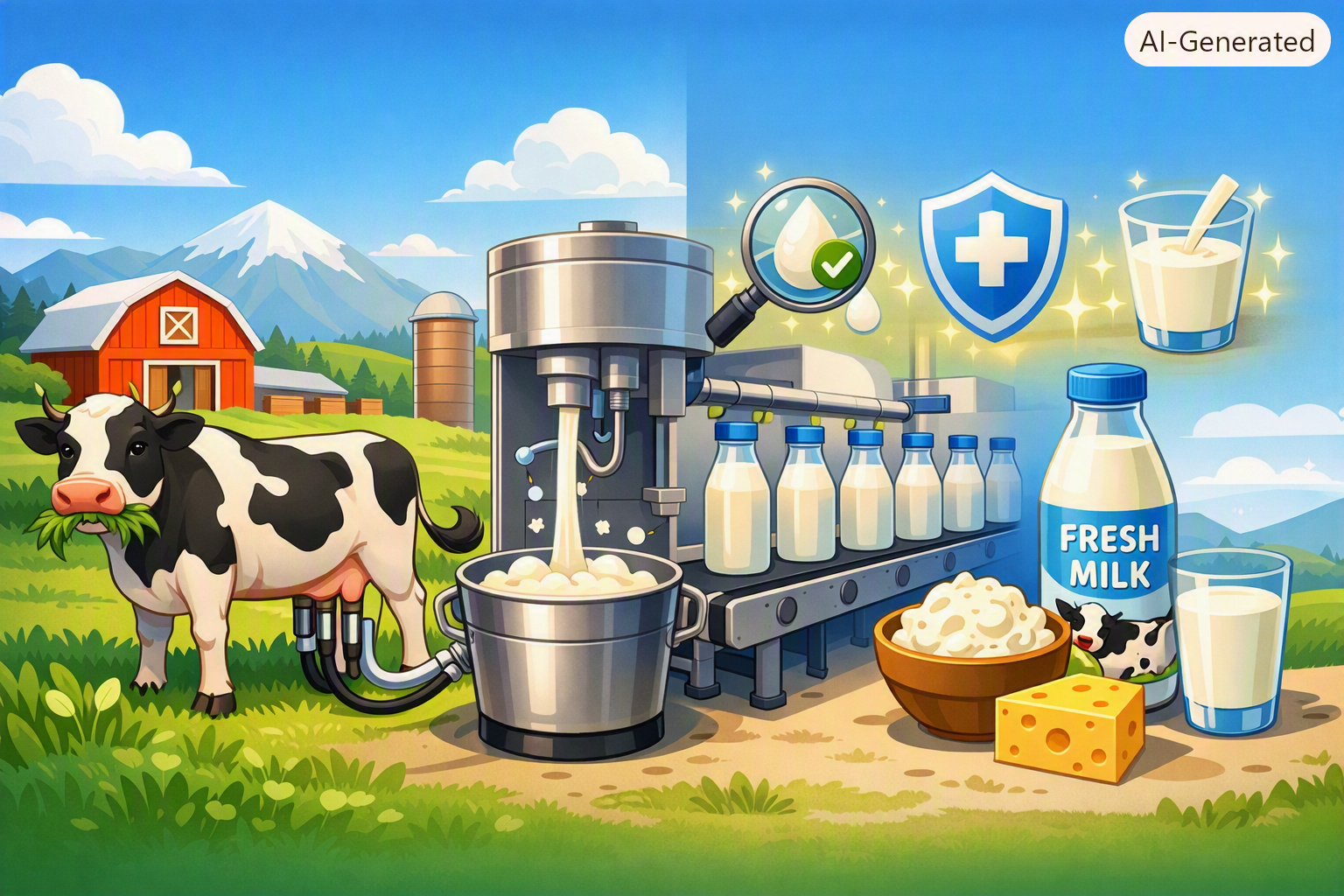
Makassar, Indonesia Apr 16/DGRG/-When people buy a glass of milk, they often focus on its freshness, taste, or nutritional value. However, few realize that the quality of milk begins long before it reaches the supermarket. It starts with the health of dairy cows, proper farm management, and even the stage of lactation. Understanding these factors is essential for producing high-quality milk while supporting the sustainability of the dairy industry.

Description
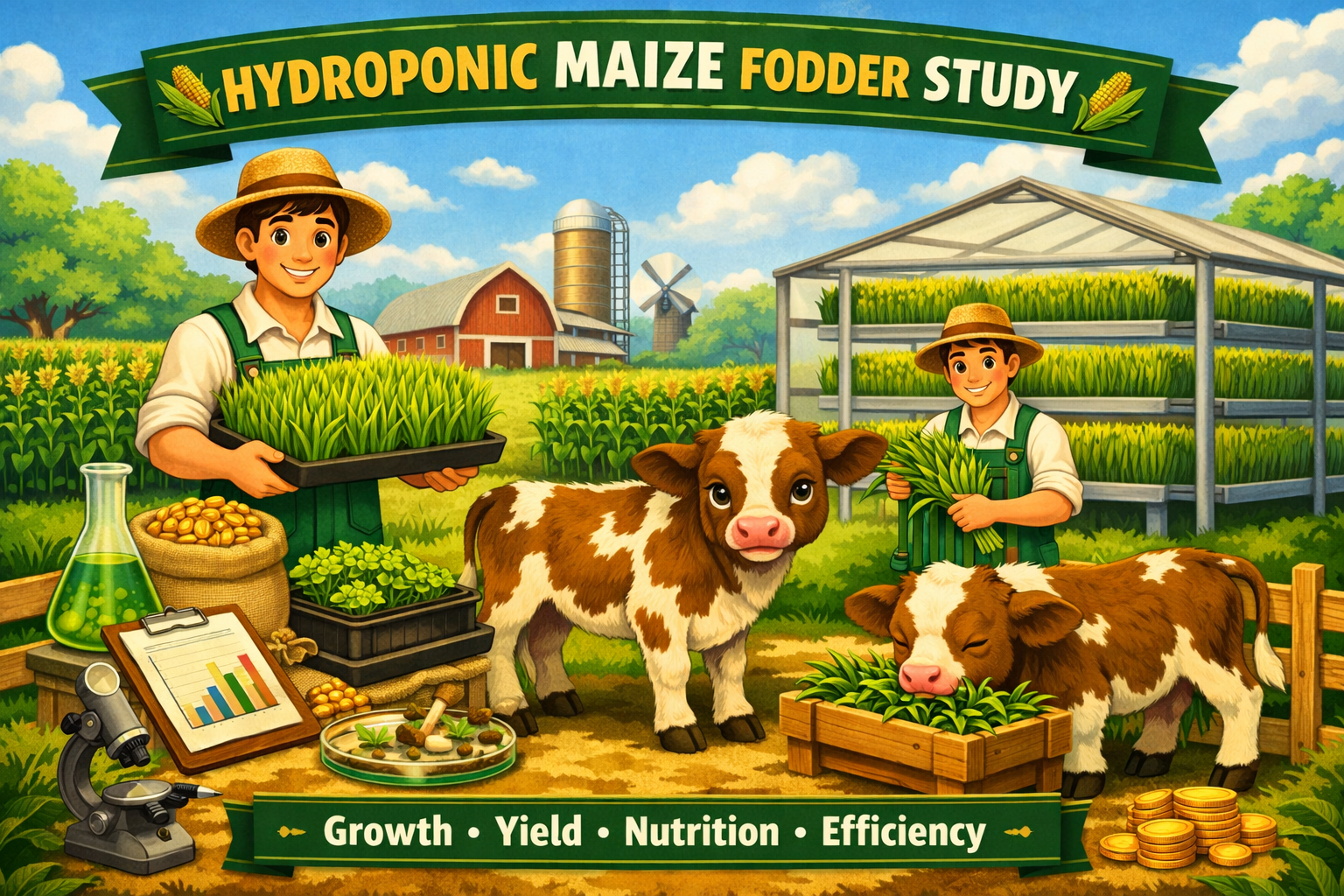
Makassar, Indonesia Apr 16/DGRG/-In the quest for sustainable livestock farming, researchers are constantly searching for innovative ways to improve animal growth and productivity while reducing environmental impact. Traditionally, elephant grass has been the staple feed for dairy calves in many regions. While it is widely available, its nutritional profile is not always optimal for young animals that require high-quality protein and energy to grow. Hydroponic maize fodder, grown without soil and harvested in just 7β10 days, provides a fresh, nutrient-rich alternative.

Description
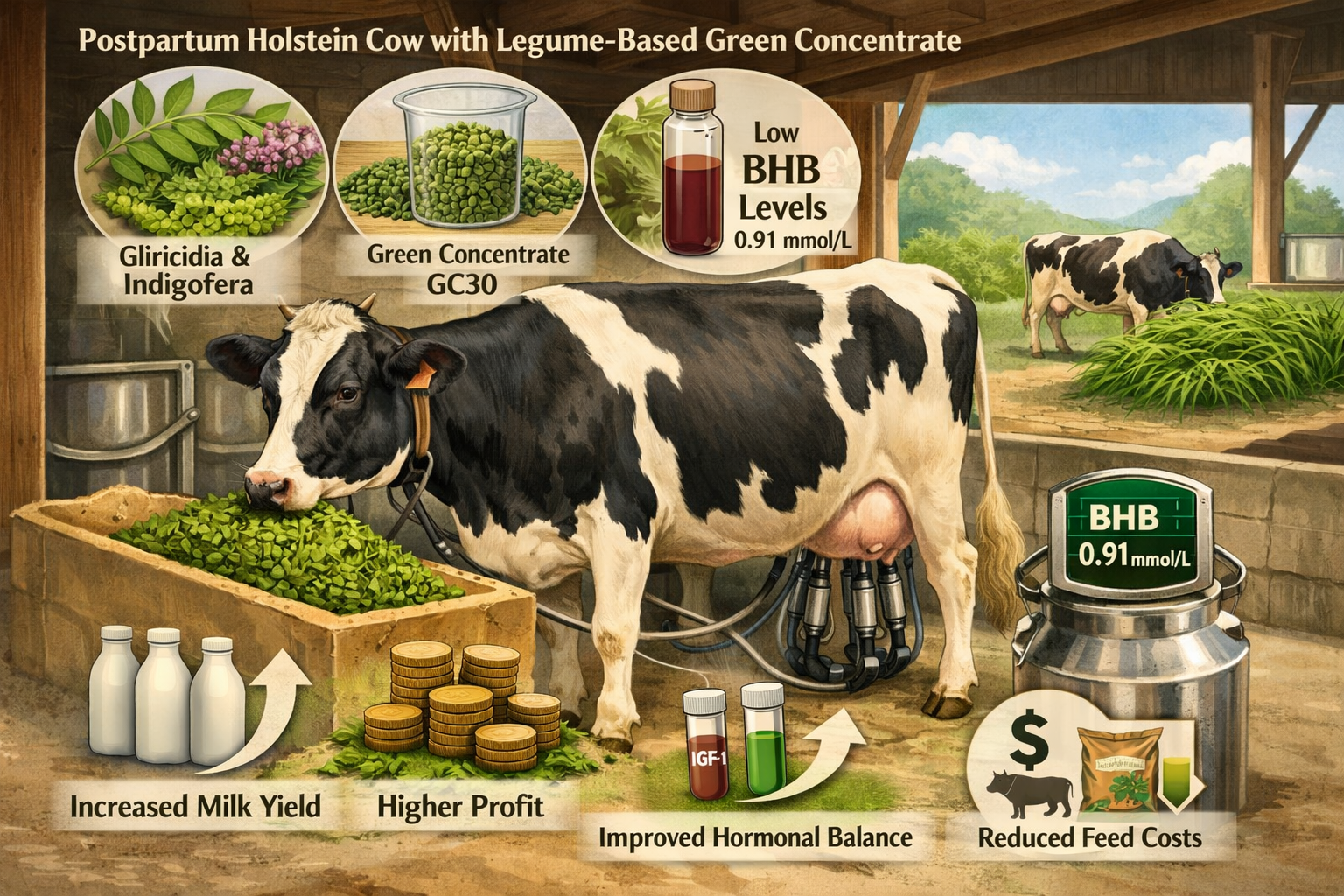
Makassar, Indonesia Apr 16/DGRG/-Milk is more than a drinkβit is a cornerstone of nutrition, health, and rural livelihoods. For dairy farmers, ensuring that cows produce high-quality milk is both an economic and social priority. Yet one of the biggest challenges in dairy farming occurs right after calving, when cows often experience negative energy balance. This condition reduces milk yield, affects metabolic health, and threatens profitability. Scientists are now exploring natural feed solutions to address this challenge, and legumes are showing remarkable promise.
Description
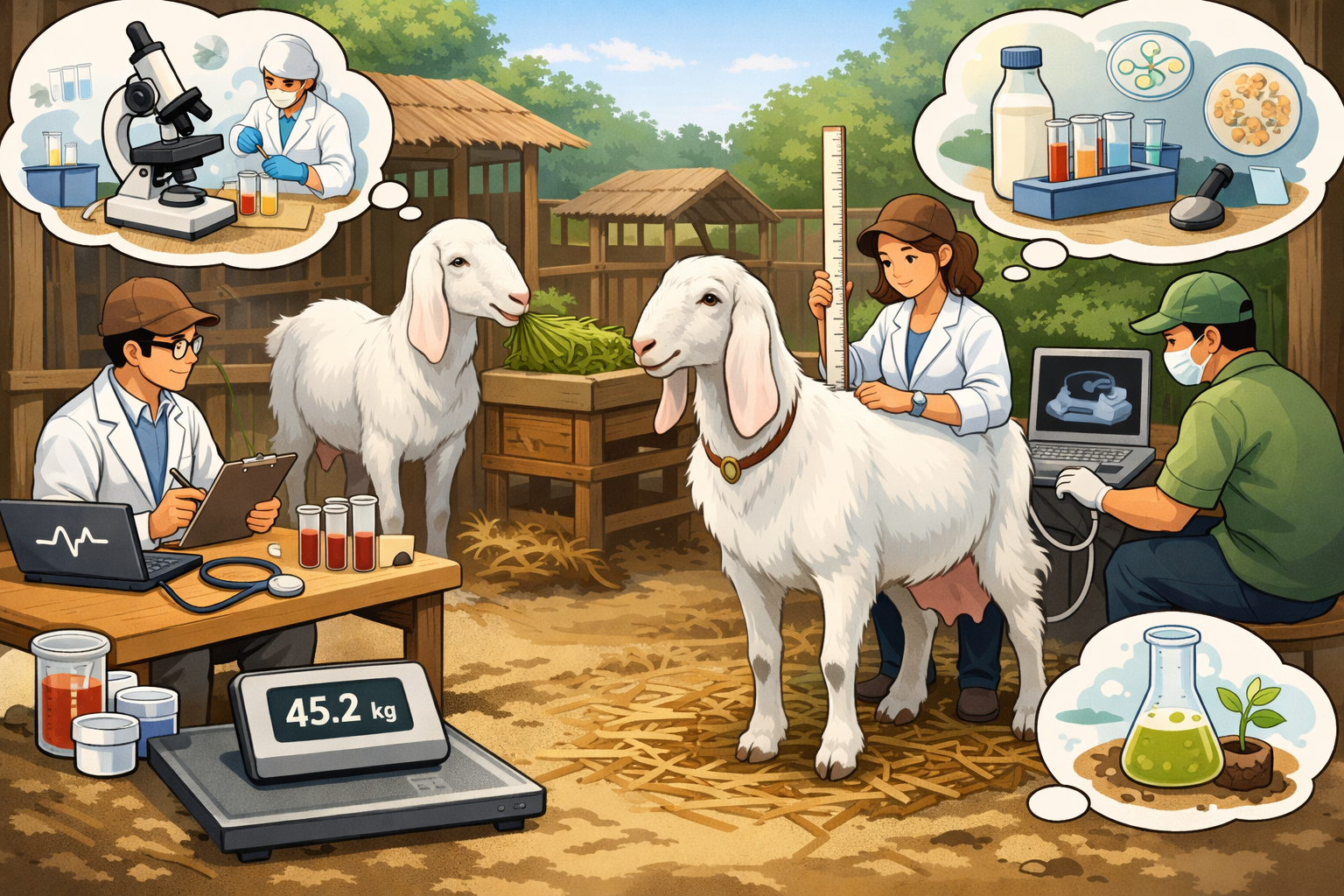
Makassar, Indonesia Apr 16/DGRG/- Goats are more than livestock in Indonesiaβthey are a source of milk, meat, and income for rural households. But the productivity and health of goats depend heavily on what they eat. Farmers often face challenges with expensive feeds, while scientists search for affordable, sustainable alternatives. One promising solution comes from a familiar plant: cassava.

Description
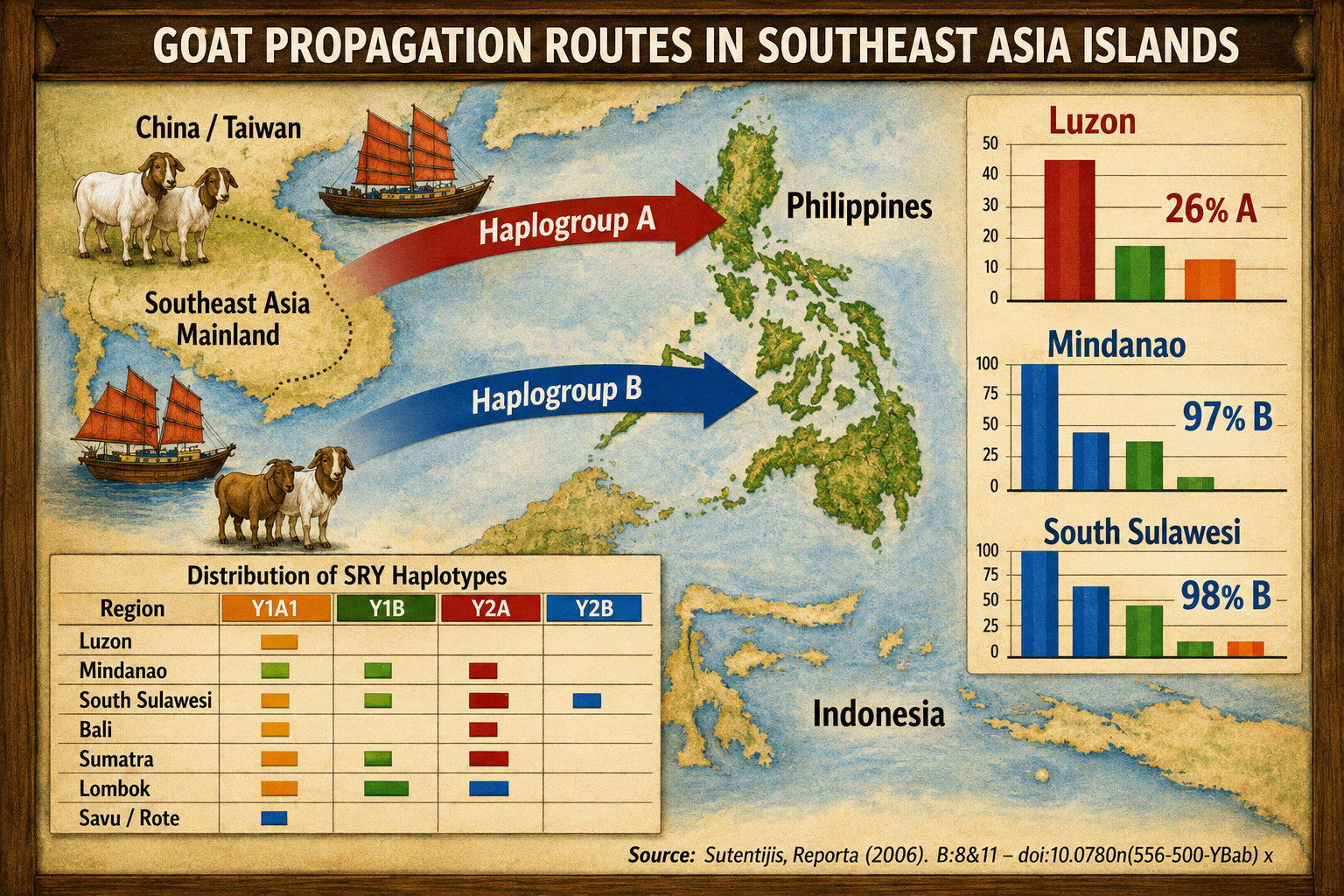
Makassar, Indonesia Apr 16/DGRG/- Goats are more than livestockβthey are travelers, survivors, and companions of human history. In Island Southeast Asia, goats have long been part of rural life, providing meat, milk, and cultural value. But where did these goats come from, and how did they spread across islands and continents? Modern science is now uncovering the answers by looking deep into their DNA.

Description
Makassar, Indonesia Apr 16 2026/DGRG/-Goats are among the oldest domesticated animals, providing meat, milk, and cultural value across continents. In Island Southeast Asia, goats are more than livestockβthey are part of heritage and survival. But where did these goats come from, and how did they spread across islands and oceans? Modern science is now answering these questions by looking deep into their DNA.

Description
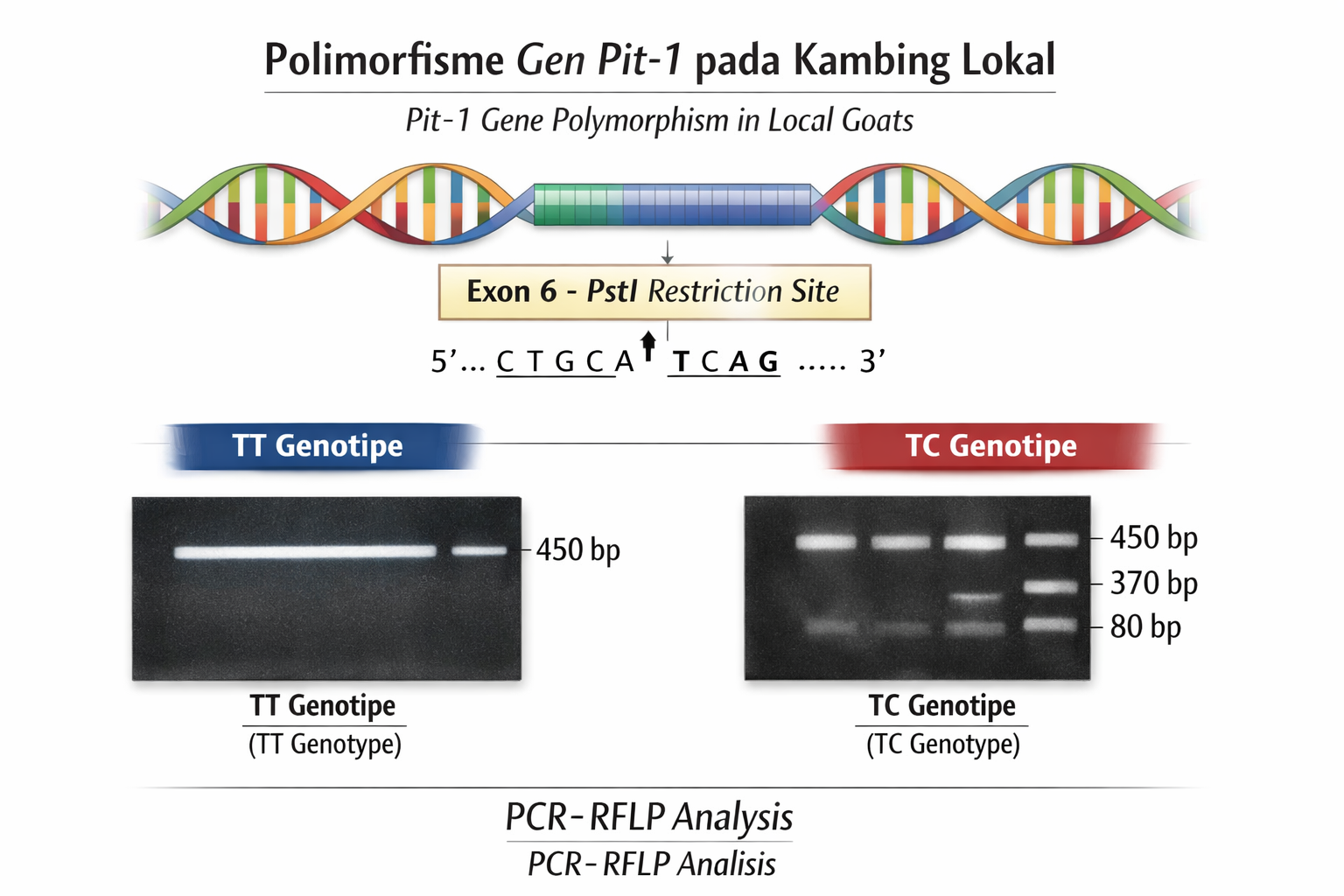
Makassar, Indonesia Apr 16 2026/DRG/-Goats are more than livestock in Indonesiaβthey are part of culture, economy, and food security. For rural communities, goats provide meat, milk, and income. But behind their productivity lies something invisible yet powerful: genetics. Understanding the genetic makeup of local goat populations can help farmers and scientists improve breeding, strengthen resilience, and secure livelihoods.

Description
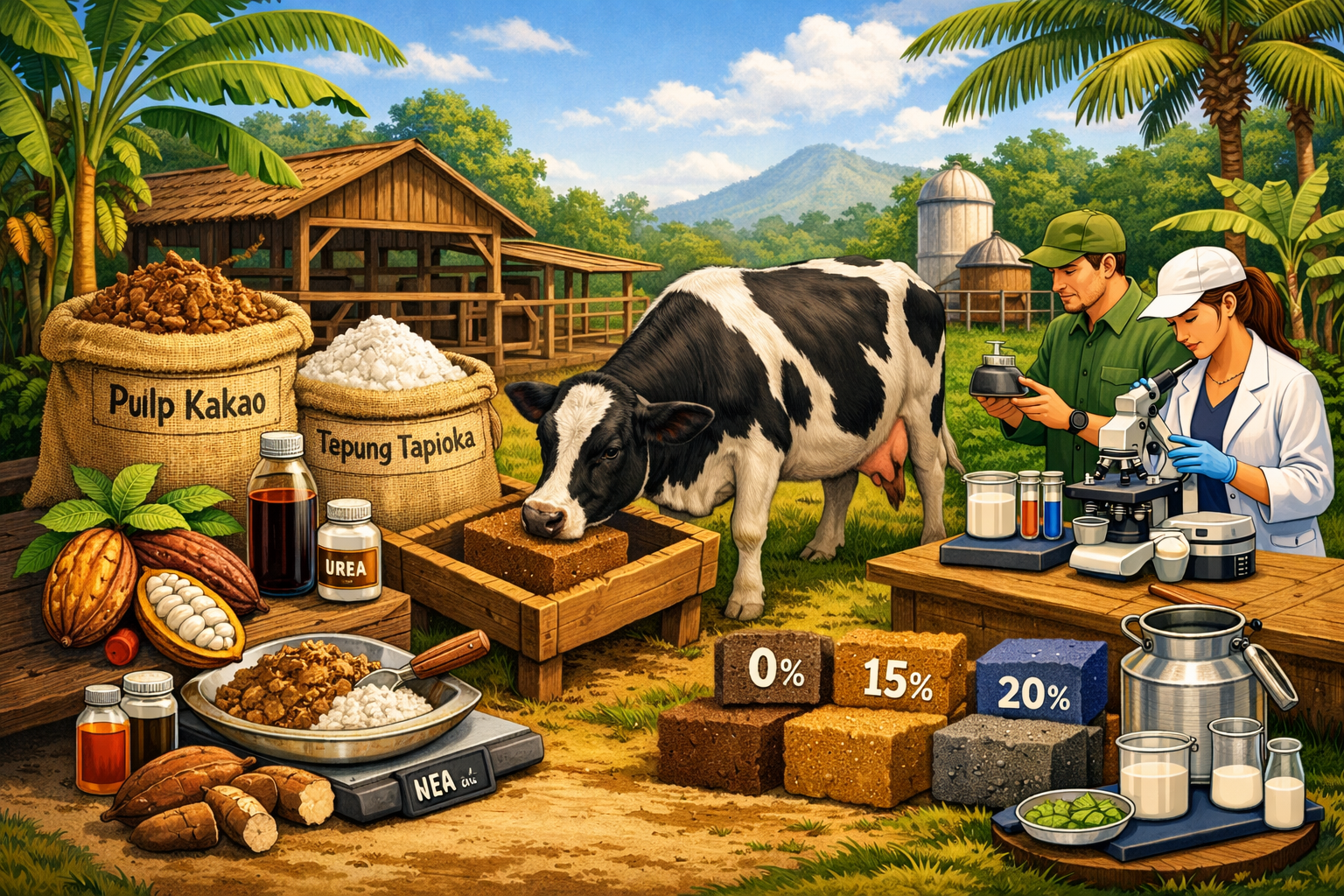
Makassar, Indonesia Apr 11 2026/DGRG/- Milk is more than a staple foodβit is a lifeline for families, a source of income for farmers, and a driver of rural development. Yet the quality of milk depends on what cows eat. Farmers often struggle with expensive feeds, while scientists search for affordable, sustainable alternatives. One innovation making a difference is the Urea Molasses Multinutrient Block (UMMB), a compact feed supplement that delivers protein, energy, and minerals to ruminants.

Description
Makassar, Indonesia Apr 11 2026/DGRG/- Milk is more than a drinkβit is a foundation of nutrition, health, and livelihoods. For millions of families, dairy products provide protein, calcium, and energy. But the quality of milk depends on what cows eat. Farmers and scientists are now exploring natural feed solutions that improve both yield and quality, while also supporting sustainable development.

Description
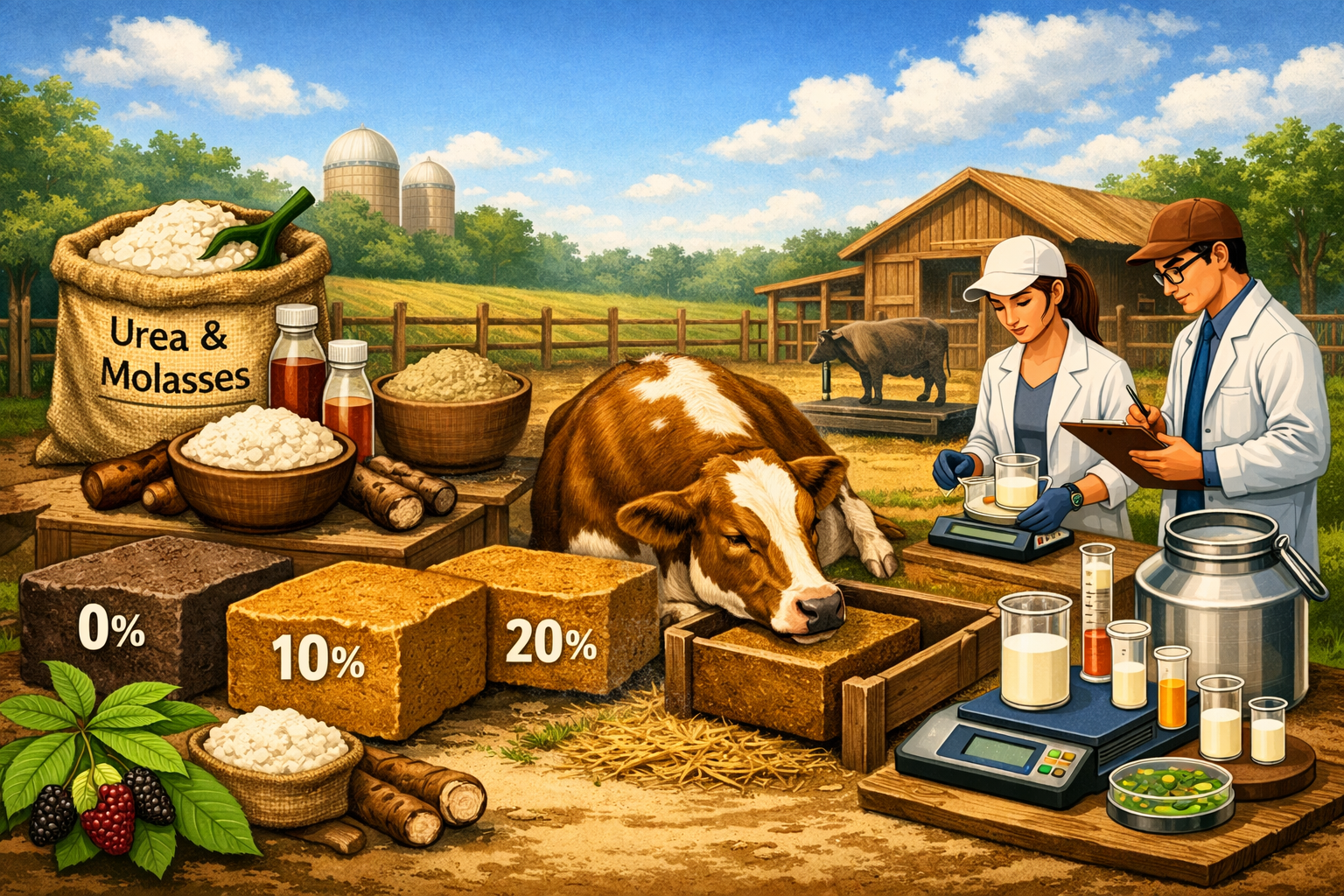
Makassar, Indonesia Apr 11 2026/DGRG/- Livestock farming is more than raising animalsβit is about feeding families, sustaining rural economies, and protecting the environment. One innovation making a difference is the Urea Molasses Multinutrient Block (UMMB), a compact feed supplement that delivers protein, energy, and minerals to ruminants. But the quality of these blocks depends on the adhesive that binds them together.