How Digital Technology Is Helping Protect Sulawesi’s Prehistoric Stories
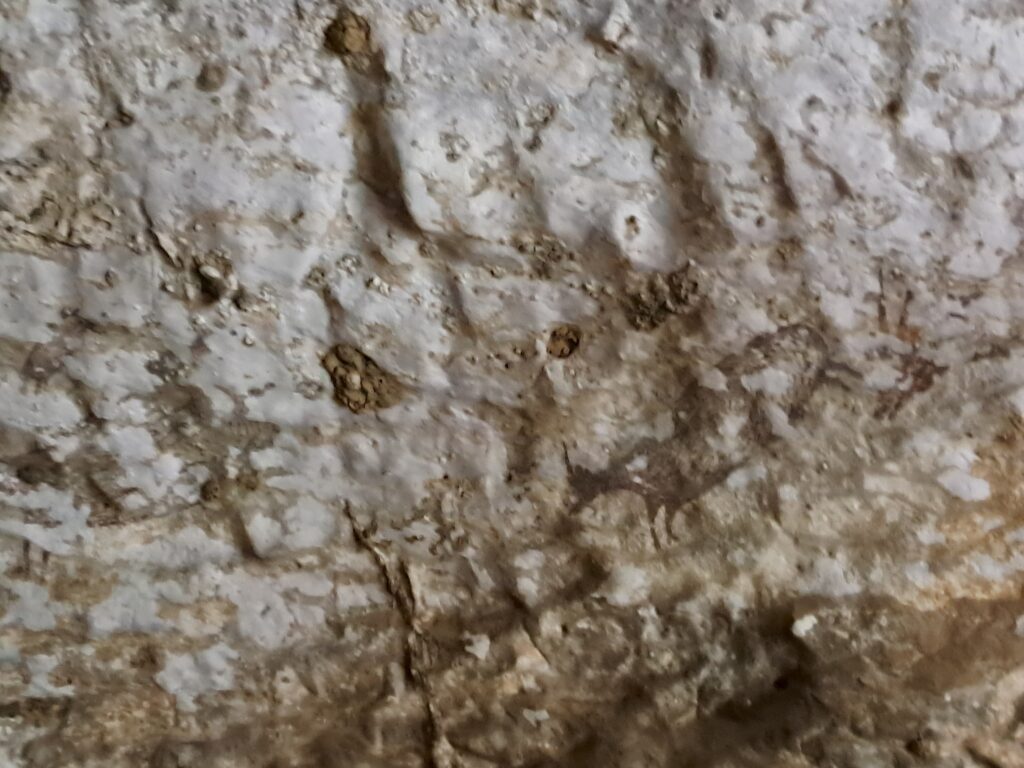
Imagine standing in front of a prehistoric hunting scene created more than 43,000 years ago. You can see hunters, animals, and a story painted on a limestone cave wall—but you cannot safely touch it, and repeated visits may put this fragile artwork at greater risk.
This is the challenge facing the extraordinary rock art of Maros-Pangkep in South Sulawesi, Indonesia. The region contains some of the world’s oldest known figurative and narrative cave paintings. At Leang Bulu Sipong 4, researchers have documented what is regarded as the oldest known narrative hunting scene, depicting human-like figures hunting wild pigs and dwarf bovids. Yet these irreplaceable paintings are vulnerable to environmental deterioration and human pressures.
So, how can we preserve something that cannot simply be moved?
One answer may come from an unexpected place: 3D printing.
In the study 3D-printed replicas for rock art preservation: A workflow development and fidelity assessment, researchers developed a practical method for digitally recording a rock-art panel and turning that digital record into a physical replica. The research was published in Digital Applications in Archaeology and Cultural Heritage, Volume 41 (2026), article e00526, by Elsevier, and became available online on 23 March 2026.
The process begins with photogrammetry—taking many photographs of the original rock surface and combining them to create a detailed three-dimensional digital model. That model was then divided into smaller sections and reproduced using a consumer-grade 3D printer.
The result was a half-scale replica, or 1:2 version, of the Leang Bulu Sipong 4 hunting scene. The researchers found that the overall dimensions of the physical replica corresponded to the digital reference model within 2.5%, meaning that the main forms and motifs remained clearly recognizable. However, the researchers also acknowledge that very fine surface textures and colours cannot yet be reproduced perfectly with this type of printing technology.
Importantly, the replica is not intended to replace the original cave painting. Instead, it can serve as a carefully documented surrogate for museums, education, research, and public interpretation. People may be able to encounter and learn from a physical representation without increasing pressure on the original site.
This approach also connects directly with Sustainable Development Goal 15: Life on Land, which calls for the protection, restoration, and sustainable use of terrestrial ecosystems and the conservation of biodiversity. Cultural landscapes such as the Maros-Pangkep karst are part of this broader heritage environment. Protecting their archaeological evidence requires not only conservation at the cave itself, but also innovative ways of reducing unnecessary physical pressure on fragile sites.
The lesson is simple: sometimes, protecting the past does not mean keeping people away from heritage forever. It means finding smarter ways for people to experience, study, and understand it—while allowing the original to remain where it belongs.
For Sulawesi’s ancient rock art, the future of preservation may be partly digital, and partly 3D-printed.