


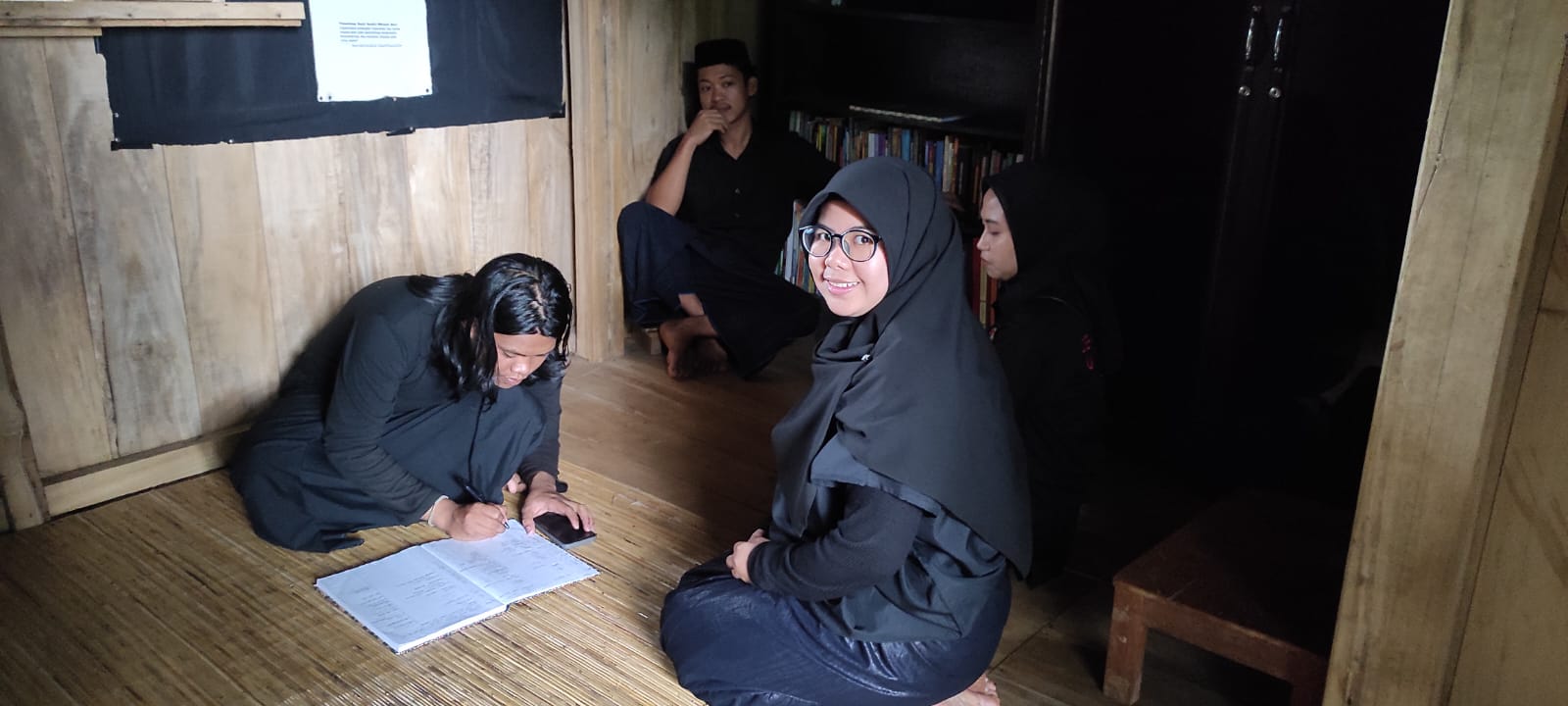
Cultural heritage destinations provide opportunities for visitors to learn about distinctive traditions while creating space for local communities to preserve and share their cultural identity. One such destination is Kajang Dalam, South Sulawesi, home to the indigenous Kajang community whose traditions, customary values, and relationship with nature have been maintained across generations. On June 7, 2026, a cultural tourism activity was conducted in Kajang Dalam to explore the potential of its living heritage as a foundation for responsible and sustainable tourism development.
The main objective of the activity was to strengthen understanding of Kajang Dalam as a cultural tourism destination while emphasizing the importance of protecting the community’s traditions and customary values. The activity introduced participants to the distinctive characteristics of the Kajang community, including its traditional way of life, customary governance, cultural practices, and philosophy of “Pasang ri Kajang,” which provides important guidance for maintaining harmony between people, nature, and their surroundings.
Kajang Dalam offers a distinctive cultural landscape in which heritage is not limited to physical structures or historical objects. The community’s traditions, social relationships, customary rules, architecture, rituals, and environmental practices form an interconnected cultural system. This makes the area particularly valuable for cultural tourism, as visitors can gain a deeper understanding of a living culture rather than simply observing individual attractions.
During the activity, attention was given to the potential for developing immersive and educational cultural tourism experiences. Visitors can learn about local traditions through guided interpretation, observe aspects of customary life, and gain insights into the principles underlying the Kajang community’s relationship with its environment. Such experiences need to be carefully designed so that tourism creates meaningful opportunities for cultural learning without disrupting customary practices or reducing cultural traditions to commercial attractions.
The activity also emphasized the importance of responsible tourism management in Kajang Dalam. Because the area represents a living cultural heritage landscape, tourism development requires sensitivity toward community values and customary regulations. Local residents should remain central to decisions concerning what aspects of their culture can be shared with visitors, how tourism activities are conducted, and how benefits generated by tourism are distributed.
The philosophy of Pasang ri Kajang, particularly its emphasis on simplicity and harmony with nature, also provides an important foundation for sustainable tourism. These values can encourage visitors to adopt more responsible behavior and understand the importance of respecting both cultural and environmental resources. In this way, tourism can function as a means of cultural education and conservation rather than becoming a source of pressure on the community.
The activity contributes to Sustainable Development Goal (SDG) 4: Quality Education by creating opportunities for cultural learning and increasing understanding of indigenous knowledge and heritage. It also supports SDG 11: Sustainable Cities and Communities, particularly through the recognition and safeguarding of cultural heritage and traditional community values.
Furthermore, the activity contributes to SDG 15: Life on Land through its emphasis on the Kajang community’s traditional relationship with nature and the importance of maintaining the cultural landscape. It also reflects SDG 17: Partnerships for the Goals by encouraging collaboration among communities, tourism stakeholders, researchers, and other relevant actors in developing responsible cultural tourism.
Overall, the activity in Kajang Dalam demonstrated the significant potential of living cultural heritage as a foundation for sustainable tourism. By placing community values, cultural preservation, and environmental responsibility at the center of tourism development, Kajang Dalam can offer visitors meaningful cultural experiences while safeguarding its unique identity for future generations.