MAKASSAR, Indonesia Mar 6 2026/Coffee-RG/ – For millions of people around the world, coffee is more than just a beverage—it is a source of livelihood. However, not all coffee beans are created equal. Many farmers produce off-grade Robusta coffee beans, which often receive lower prices in the market due to weaker flavor or undesirable taste characteristics. But what if science could transform these low-value beans into a better and more valuable product?
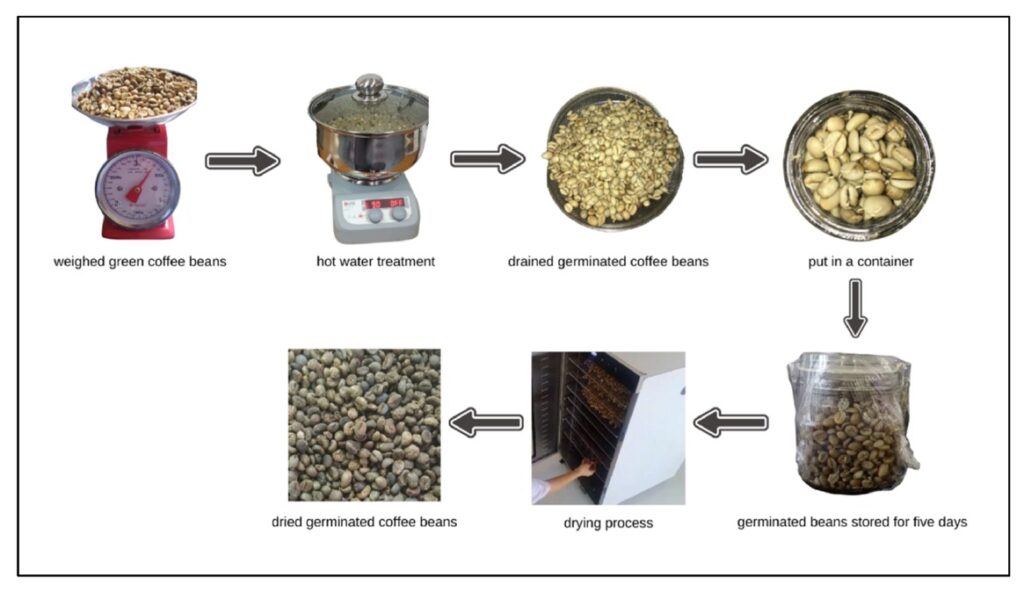
Recent research suggests that one promising solution lies in an unexpected process: germination. Germination is commonly associated with seeds beginning to sprout, but scientists are now exploring how controlled germination can also improve the chemical composition and sensory quality of coffee beans.
A scientific study titled “Germination Induced Metabolic Changes to Improve Taste and Flavor Characteristics of Off-Grade Robusta Coffee Beans,” published in the journal Applied Food Research by Elsevier on 7 September 2025, explains how germination can trigger important metabolic changes inside coffee beans. These changes may help improve the taste, aroma, and overall quality of Robusta coffee that would otherwise be considered low grade.
Inside coffee beans are hundreds of chemical compounds that determine how coffee tastes and smells. Some of the most important compounds include sugars, amino acids, organic acids, and phenolic compounds. During germination, natural biochemical reactions begin to occur within the bean. Enzymes become active and start breaking down complex molecules into simpler ones.
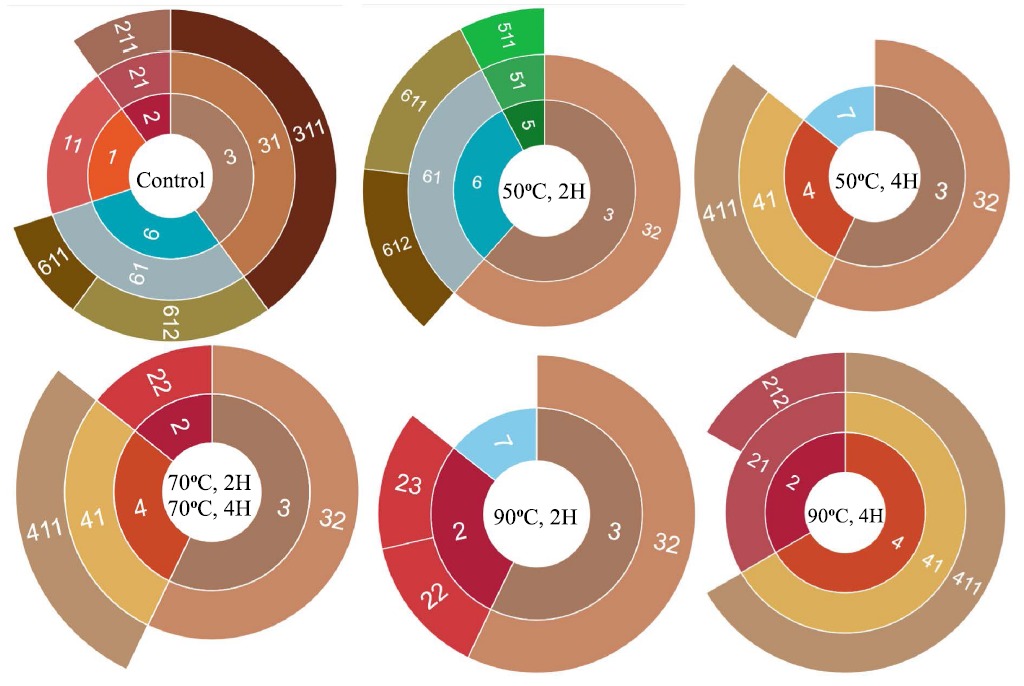
These transformations can significantly influence flavor development. For example, the breakdown of carbohydrates and proteins can produce precursors that later form desirable aromas during roasting. As a result, germinated coffee beans may develop smoother flavors, reduced bitterness, and more pleasant aroma profiles compared to untreated off-grade beans.
This approach is particularly important for Robusta coffee, which is widely cultivated in many tropical countries. Although Robusta is known for its high productivity and strong caffeine content, it is often considered inferior in flavor compared to Arabica. Improving Robusta quality through scientific processing methods could therefore create new opportunities for farmers and the coffee industry.
The impact of this innovation goes beyond flavor improvement. It is closely related to Sustainable Development Goal (SDG) 1: No Poverty. Coffee farming supports the livelihoods of millions of smallholder farmers, especially in developing countries. By increasing the value of off-grade coffee beans, technologies such as germination processing could help farmers obtain better prices and reduce economic losses from lower-quality harvests.
Instead of discarding or selling low-grade beans at extremely low prices, farmers and processors could apply improved post-harvest techniques to enhance quality and market value. This creates a more sustainable coffee supply chain while supporting rural economies.
Scientific research like this demonstrates how innovation in food science can directly benefit agricultural communities. By understanding the metabolic changes that occur during germination, researchers are opening new possibilities for transforming overlooked resources into valuable products.
In the end, the future of coffee may not only depend on where it is grown, but also on how it is processed. Through science-driven approaches such as germination, even off-grade Robusta beans may find a second chance—delivering better flavor in the cup and better income for the people who grow them.
Reference
DOI: https://doi.org/10.1016/j.afres.2025.101329
Contact:
Dr. Februadi Bastian
+62858-2501-3239
februadi@unhas.ac.id