MAKASSAR, Indonesia Mar 6 2026/Coffee-RG/ – For many coffee lovers, flavor is everything. Aroma, sweetness, acidity, and body combine to create the unique experience of every cup. However, producing flavorful coffee is not always easy—especially when dealing with decaffeinated Robusta beans, which are often considered less aromatic and less complex than other coffee types. But what if an unexpected ingredient, such as watermelon waste, could help improve coffee flavor?
Recent research shows that innovative fermentation techniques may hold the key. By using natural materials and controlled microbial processes, scientists are exploring new ways to enhance the flavor profile of coffee beans that would otherwise be considered lower quality.
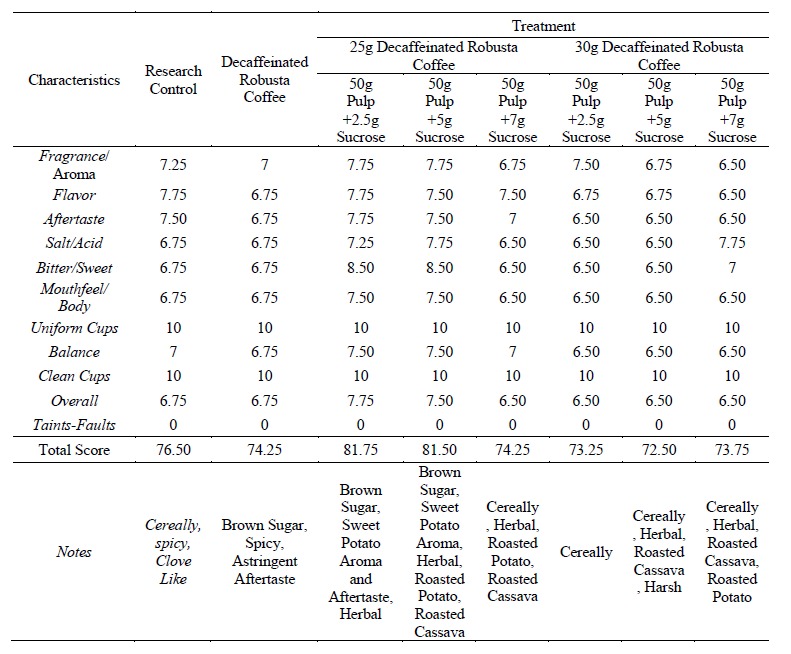
One example comes from a scientific article titled “Flavor Enhancement of Decaffeinated Robusta Beans Refermentation Using a Mucilage Analog of the Blend of Watermelon Albedo (Citrullus vulgaris Schard) and Sucrose.” The study was published in IOP Conference Series: Earth and Environmental Science by IOP Publishing on 20 September 2023. This research explores how refermentation using a specially designed mucilage analog can improve the sensory characteristics of decaffeinated Robusta coffee beans.
In coffee processing, mucilage refers to the sticky layer that surrounds coffee beans inside the fruit. During traditional fermentation, microorganisms break down this mucilage, producing organic acids, alcohols, and other compounds that contribute to coffee flavor. However, in some situations—such as processing dried or decaffeinated beans—the natural mucilage is no longer present.
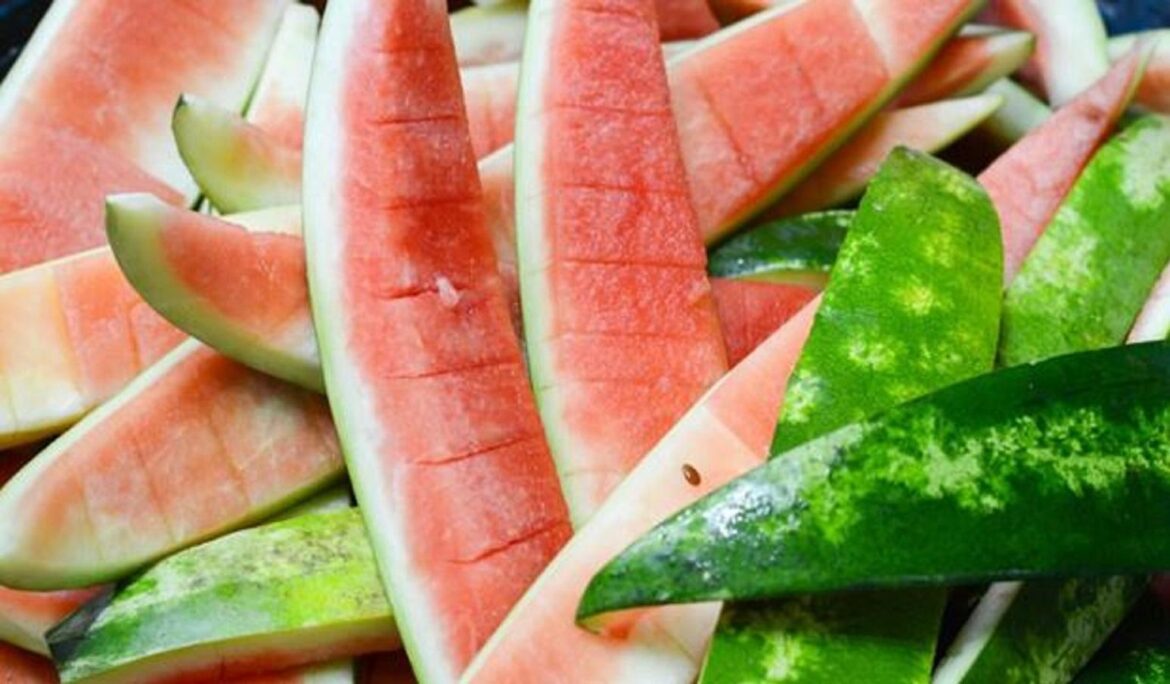
To solve this problem, researchers created a mucilage analog, an artificial fermentation medium designed to mimic the natural sugars and nutrients found in coffee pulp. In this study, the mucilage analog was made from watermelon albedo, the white inner rind of watermelon that is often discarded as waste, combined with sucrose.
This mixture provides carbohydrates and nutrients that microorganisms can use during fermentation. As microbes metabolize these compounds, they produce flavor-active substances that can penetrate the coffee beans and improve their sensory profile.
The results show promising potential. Refermentation using this mucilage analog can enhance aroma complexity, balance bitterness, and create a more pleasant cup profile for decaffeinated Robusta coffee. In other words, beans that might previously have been considered less desirable could be transformed into a more appealing product.
Beyond improving coffee taste, this innovation also carries an important sustainability message. The use of watermelon rind, which is typically discarded as agricultural waste, demonstrates how food by-products can be repurposed into valuable resources.
This approach directly supports Sustainable Development Goal (SDG) 12: Responsible Consumption and Production by encouraging the efficient use of food materials and reducing waste. By transforming agricultural by-products into fermentation substrates, researchers are promoting circular food systems where waste becomes a resource.
This research can be connected to Sustainable Development Goal 3 (SDG 3): Good Health and Well-Being. By exploring ways to produce coffee with reduced caffeine while maintaining an enjoyable sensory experience, food scientists can contribute to the development of coffee options for consumers who want to manage their caffeine intake.
More importantly, this study shows that innovation does not always require complicated new ingredients. Sometimes, the answer can be found in something we normally overlook. A part of a watermelon that might be discarded could become a useful ingredient in creating a better cup of decaffeinated coffee.
Furthermore, improving the quality of Robusta coffee can help increase its market value, which may benefit coffee farmers and processors in producing countries. Higher-value products mean better economic opportunities across the coffee supply chain.
Reference
DOI: https://doi.org/10.1088/1755-1315/1230/1/012174
Contact:
Dr. Februadi Bastian
+62858-2501-3239
februadi@unhas.ac.id