MAKASSAR, Indonesia Mar 6 2026/Coffee-RG/ – Coffee is more than just a morning ritual. For millions of people around the world, it is a source of livelihood, culture, and increasingly, a source of health-promoting compounds. Behind every cup of coffee lies a complex journey—from plantation to processing, roasting, and finally brewing. During this journey, the chemical composition of coffee beans changes dramatically, influencing not only flavor but also the potential health benefits of the drink.
A scientific article titled “From Plantation to Cup: Changes in Bioactive Compounds during Coffee Processing,” published in the journal Foods by MDPI on 17 November 2021, highlights how different stages of coffee processing affect the levels of important bioactive compounds. These compounds include chlorogenic acids, caffeine, trigonelline, and other antioxidants that are known to contribute to human health.
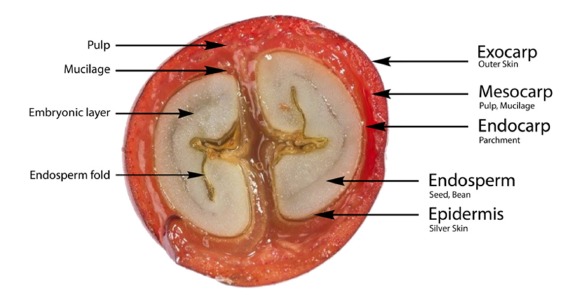
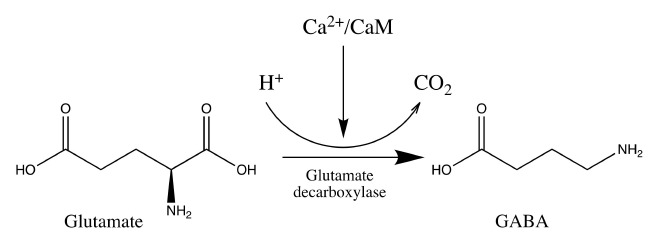
Bioactive compounds are natural substances found in foods that can provide health benefits beyond basic nutrition. In coffee, these molecules can help reduce inflammation, support metabolism, and provide antioxidant protection. However, their levels do not remain constant. Instead, they change significantly during harvesting, fermentation, drying, roasting, and brewing.
One of the most interesting stages is fermentation, which occurs shortly after coffee cherries are harvested. During this stage, microorganisms naturally break down the sticky mucilage surrounding the coffee beans. This microbial activity not only helps separate the beans from the fruit but also modifies the chemical composition of the beans. As a result, certain bioactive compounds may increase, decrease, or transform into new compounds that influence both flavor and health potential.
Processing methods—such as washed, natural, or honey processing—also play a major role. For example, wet processing often produces cleaner flavor profiles, while natural processing can enhance fruity notes. At the same time, these methods influence the stability of antioxidants and other bioactive compounds.
Roasting introduces another layer of transformation. When green coffee beans are roasted, heat triggers complex chemical reactions such as the Maillard reaction. These reactions generate new compounds responsible for coffee’s aroma and taste. However, roasting can also reduce some original antioxidants while creating new antioxidant molecules.
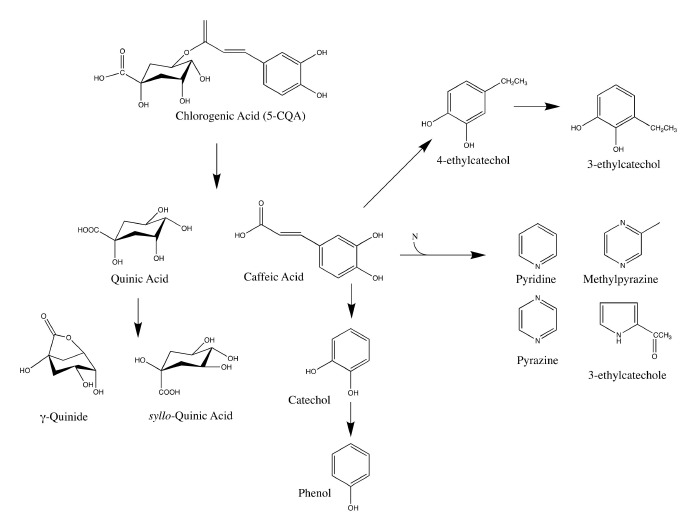
Understanding these changes is not only important for scientists and coffee professionals but also for consumers who care about what they drink every day. Research on coffee bioactive compounds helps producers improve processing techniques to preserve beneficial compounds while enhancing flavor.
This topic is strongly connected to Sustainable Development Goal (SDG) 3: Good Health and Well-being. By understanding how food processing affects health-related compounds, scientists and the food industry can promote healthier dietary choices and improve the nutritional quality of widely consumed beverages like coffee.
Furthermore, coffee research encourages collaboration between farmers, scientists, food technologists, and the coffee industry. Such collaboration ensures that knowledge generated in laboratories can ultimately benefit producers and consumers alike.
The next time you sip a cup of coffee, remember that it is not just a beverage. It is the result of a scientific and agricultural journey—one that transforms humble coffee cherries into a drink rich in flavor, culture, and potentially beneficial bioactive compounds.
Reference
DOI: https://doi.org/10.3390/foods10112827
Contact:
Dr. Februadi Bastian
+62858-2501-3239
februadi@unhas.ac.id