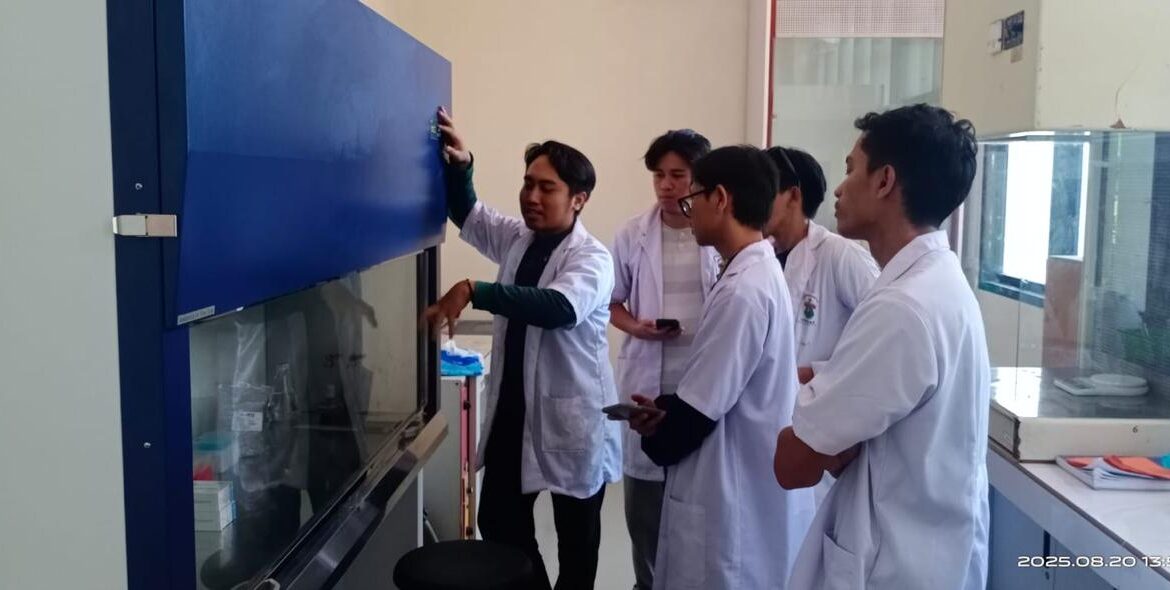
Makassar — On August 20, 2025, a specialized training program entitled “Training on Microbial Isolation and Inoculation for Coffee Processors” was successfully conducted at the Microbiology and Food Biotechnology Laboratory, Department of Food Science and Technology, Universitas Hasanuddin, Makassar. The activity brought together six selected coffee processors who are directly involved in post-harvest handling and fermentation practices. The program was designed to strengthen their scientific understanding and technical skills in isolating and inoculating beneficial microorganisms for controlled coffee fermentation.
The training aimed to provide participants with foundational and applied knowledge on the processes of microbial isolation and inoculation. In coffee fermentation, microorganisms play a central role in shaping flavor, aroma, acidity, and overall quality. However, many traditional fermentation practices rely on spontaneous microbial activity, which can result in inconsistent product characteristics. Through this training, participants were introduced to systematic laboratory techniques that allow for the identification, isolation, and controlled application of selected microbes to improve fermentation reliability and product value.
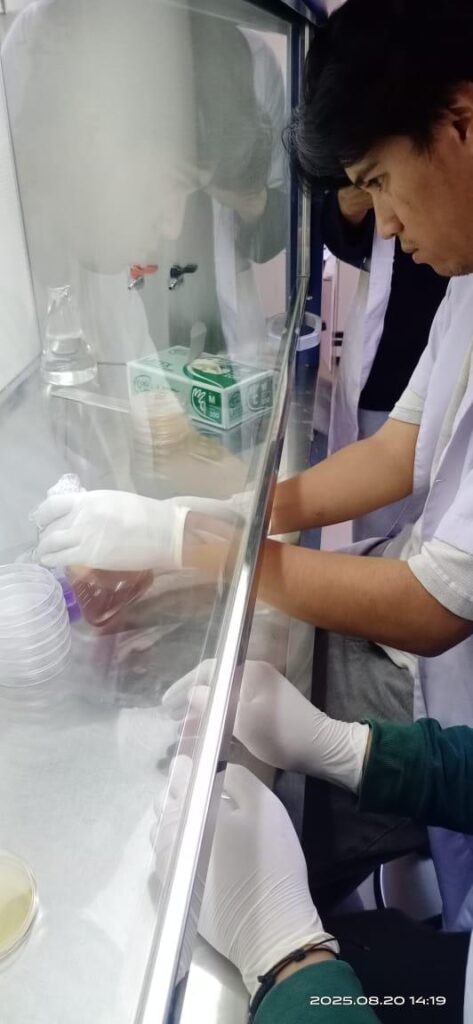
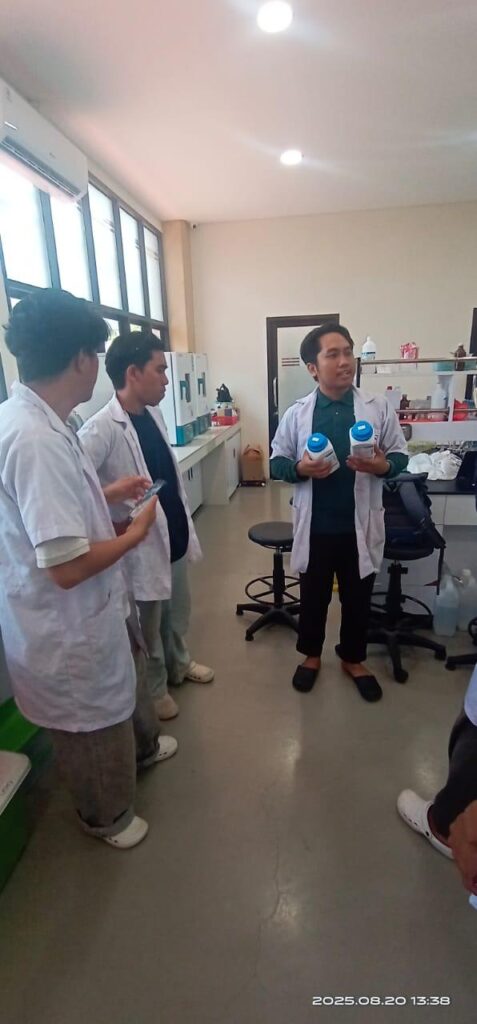
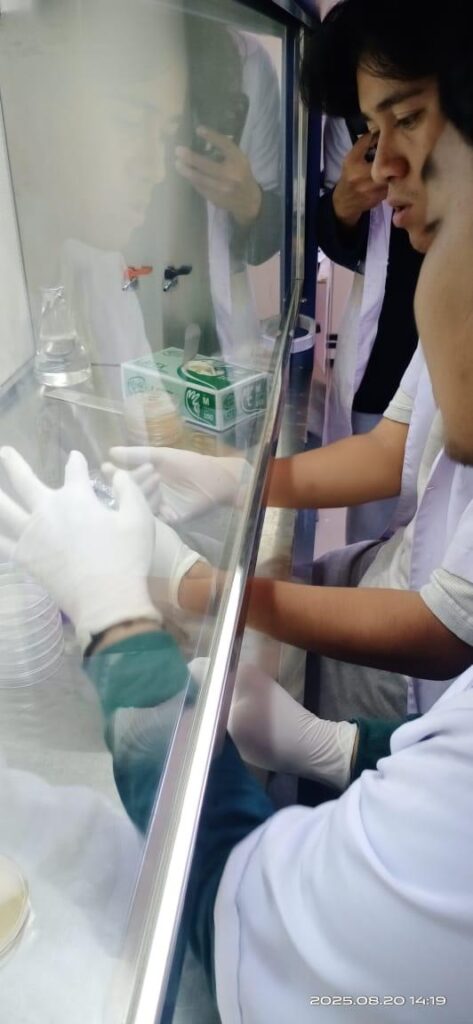
The session began with an accessible scientific overview of microbial ecology in coffee fermentation, explaining the roles of lactic acid bacteria, yeasts, and other beneficial microbes in transforming sugars and producing flavor-active compounds. Participants were then guided through hands-on laboratory exercises, including sample preparation, serial dilution, plating techniques, colony observation, and basic identification principles. Emphasis was placed on aseptic techniques to ensure accuracy and prevent. contamination
In the inoculation module, participants learned how to prepare starter cultures and apply them under controlled conditions. The facilitators explained how standardized inoculum levels can help regulate fermentation dynamics, optimize pH changes, and enhance sensory outcomes. By translating laboratory methods into practical knowledge, the training bridged the gap between scientific research and field-level coffee processing.
This initiative contributes meaningfully to several Sustainable Development Goals (SDGs). The supports SDG 4: Quality Education by delivering hands-on, competency-based learning in applied microbiology. The program empowered coffee processors with scientific literacy that can be directly implemented in their professional activities. The training aligns with SDG 1: No Poverty, as improving fermentation control can increase product quality and market competitiveness. Higher-quality coffee has greater potential to access premium markets, thereby strengthening economic resilience among processors and farmers. The activity reflects SDG 17: Partnerships for the Goals, highlighting collaboration between academia and industry practitioners. By opening laboratory facilities to coffee processors, Universitas Hasanuddin fostered knowledge exchange and built strategic partnerships aimed at sustainable agricultural innovation.
Beyond technical capacity building, the training reinforced the importance of evidence-based practice in food processing. It demonstrated that microbiological knowledge is not limited to research institutions but can serve as a practical tool for improving livelihoods and strengthening the coffee value chain. Through this focused and collaborative effort, participants left with enhanced skills, greater confidence, and a shared commitment to advancing sustainable and science-driven coffee fermentation practices.