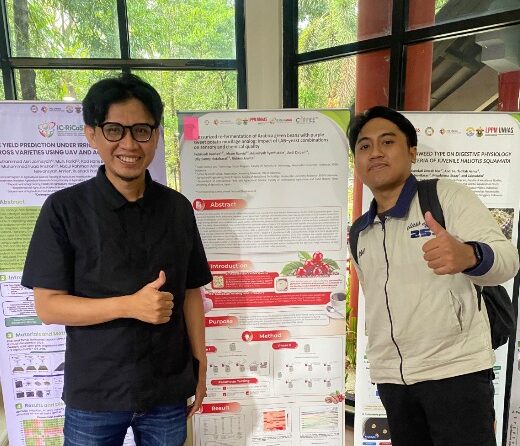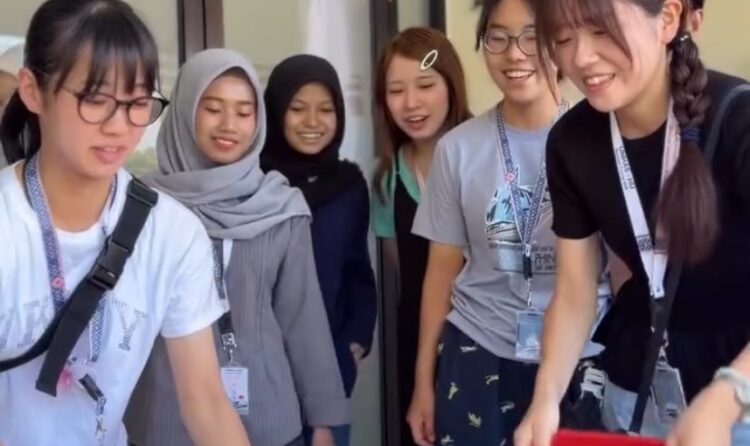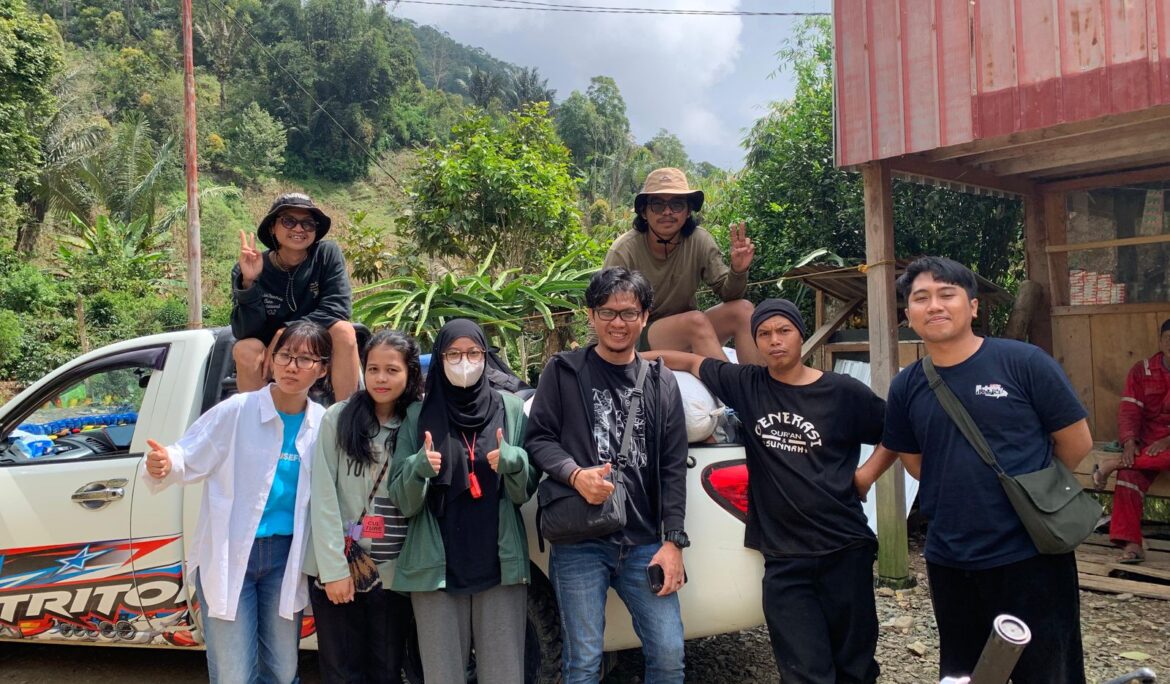
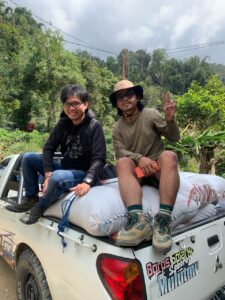
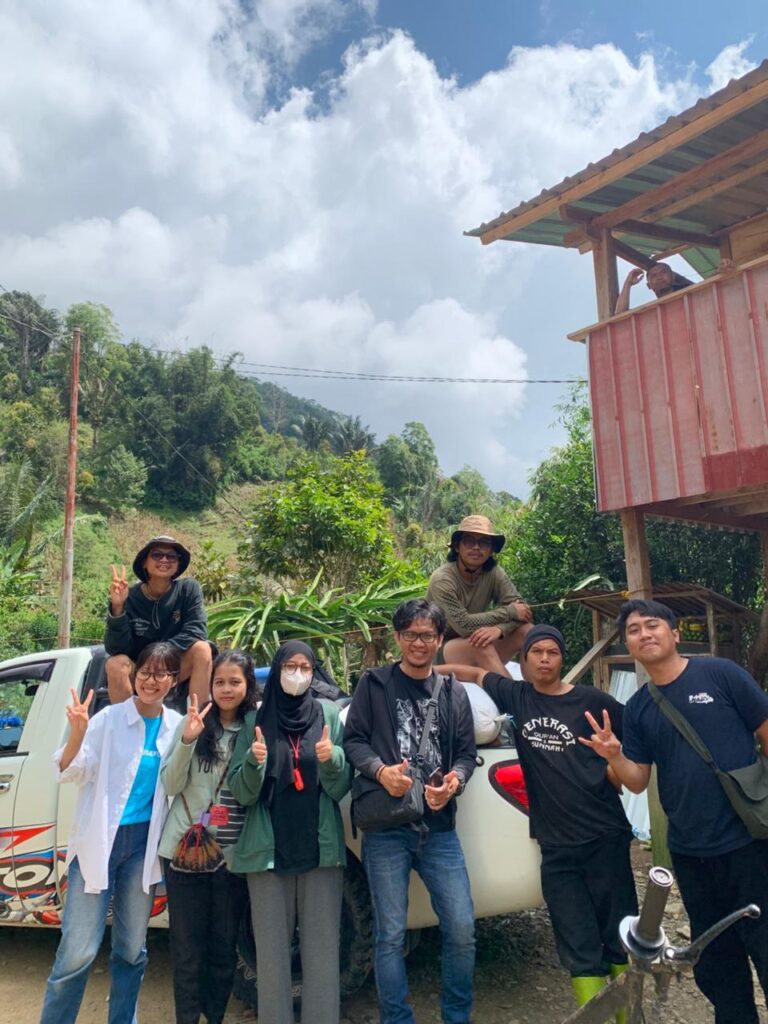
Latimojong, Luwu — On July 21–22, 2025, a scientific field application activity was conducted at Solaku Estate, involving 10 participants comprising researchers, technical staff, and local farm representatives . The activity involved 4 student, namely Irham Rasyid, Andi Arikah Puteri Yasmin, Afingka Christy Dwipuspasari and Justasya Buntu Payung. The program focused on the application of selected microbial isolates—Lactobacillus plantarum strain UL4 and Pichia kudriavzevii W10—in controlled coffee fermentation processes. This initiative represents a strategic step in translating laboratory-scale research into practical, field-based innovation within the coffee production sector.
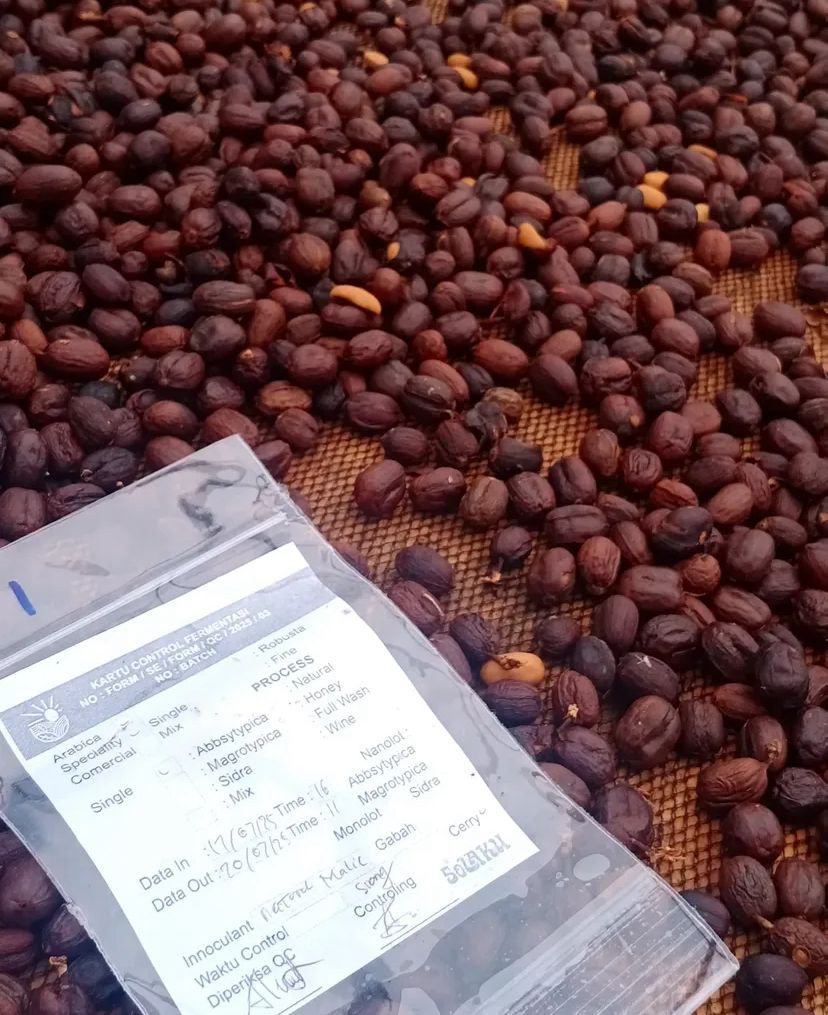
The primary objective of this activity was to apply previously isolated and characterized microorganisms to improve the consistency and quality of coffee fermentation. Fermentation is a critical post-harvest stage that significantly influences the flavor, aroma, and overall sensory profile of coffee. However, spontaneous fermentation often leads to inconsistent results due to uncontrolled microbial populations. By introducing Lactobacillus plantarum, a lactic acid bacterium known for its acidification capacity and antimicrobial properties, alongside Pichia kudriavzevii, a yeast recognized for its enzymatic activity and contribution to flavor complexity, the team aimed to create a more controlled and reproducible fermentation environment
During the two-day activity, participants engaged in hands-on sessions covering starter preparation, inoculum standardization, fermentation setup, and monitoring of key parameters such as pH, temperature, and fermentation time. Scientific explanations were delivered in accessible language to ensure knowledge transfer was effective and applicable for estate-level implementation. The collaborative approach allowed participants not only to observe but also to directly practice the fermentation protocol under expert guidance.
This initiative directly contributes to several Sustainable Development Goals (SDGs). The supports SDG 1: No Poverty, by enhancing coffee quality and market competitiveness, thereby potentially increasing farmers’ income and economic resilience. Improved and standardized fermentation processes can help producers access specialty coffee markets with higher added value. The activity advances SDG 4: Quality Education through practical, field-based scientific learning. Participants gained applied microbiological knowledge, strengthening local capacity in post-harvest technology and fostering a culture of evidence-based agricultural practice. The program embodies SDG 17: Partnerships for the Goals, as it demonstrates collaboration between researchers and estate stakeholders. Knowledge exchange and joint implementation highlight the importance of multi-sector partnerships in driving sustainable agricultural innovation.
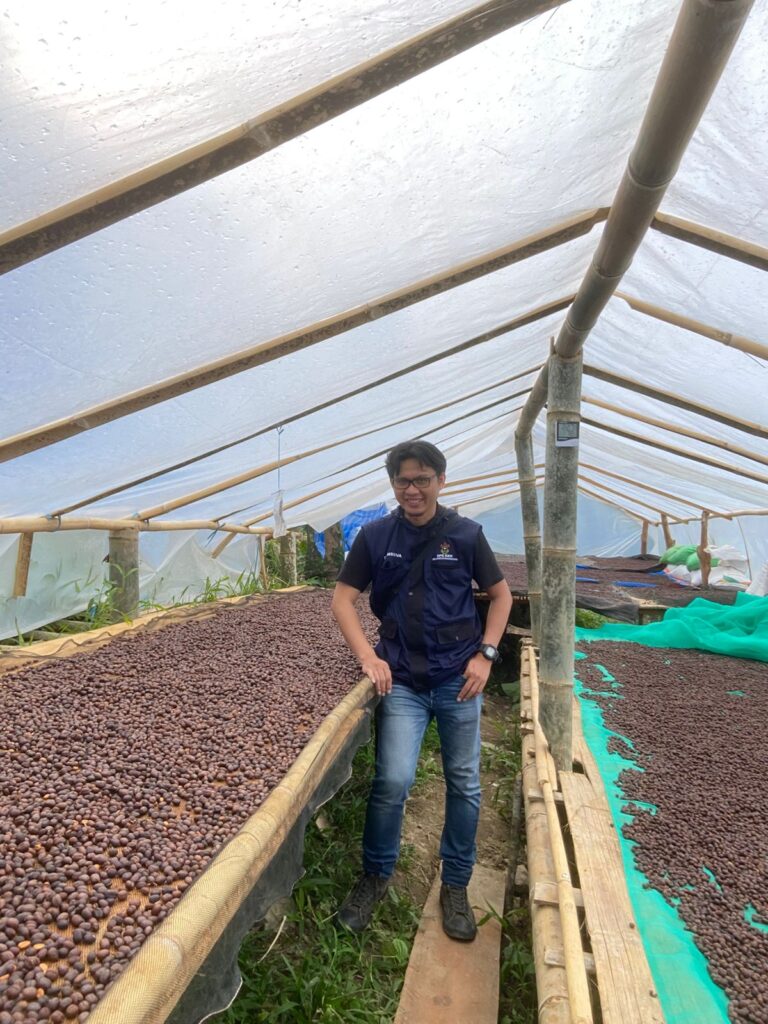
Beyond technical outcomes, this activity underscores the importance of bridging research and real-world application. By implementing microbial biotechnology directly at Solaku Estate, the initiative illustrates how scientific discoveries can be translated into tangible improvements in agricultural systems. The long-term expectation is the development of a standardized fermentation model adaptable to local conditions in Latimojong, contributing to sustainable coffee production and community empowerment.
Through science-driven collaboration, this program marks an important milestone in strengthening innovation, sustainability, and partnership within Indonesia’s coffee sector.