Makassar, Indonesia 23/04/2026/BioVax TB/–Tuberculosis (TB) continues to be one of the world’s deadliest infectious diseases, affecting millions of people every year. One of the biggest challenges in controlling TB is detecting it early especially in people who carry the infection without showing symptoms, also known as latent TB. Without proper detection, these hidden cases can later develop into active TB and spread the disease further.
To address this challenge, scientists are now exploring innovative ways to improve TB diagnosis. One promising approach focuses on biomarkers small biological signals in the body that can indicate the presence of disease. Among these, microRNAs (miRNAs) and immune-related proteins are gaining attention for their diagnostic potential.
A study titled “Expression of miRNA-29a-3p and IFN-γ as biomarkers in active and latent pulmonary tuberculosis”, published in Annals of Medicine and Surgery by Elsevier Ltd in 29 September 2022, highlights an important breakthrough in this area. The research investigates how specific molecular markers can help distinguish between active TB, latent TB, and healthy individuals.
In simple terms, miRNA-29a-3p is a tiny molecule that helps regulate how genes work in our body. Meanwhile, IFN-γ (interferon-gamma) is a protein that plays a key role in the immune system, especially in fighting infections like TB. The study found that levels of miRNA-29a-3p were significantly higher in people with both active and latent TB compared to healthy individuals. This suggests that this molecule could serve as a reliable early warning signal for TB infection.
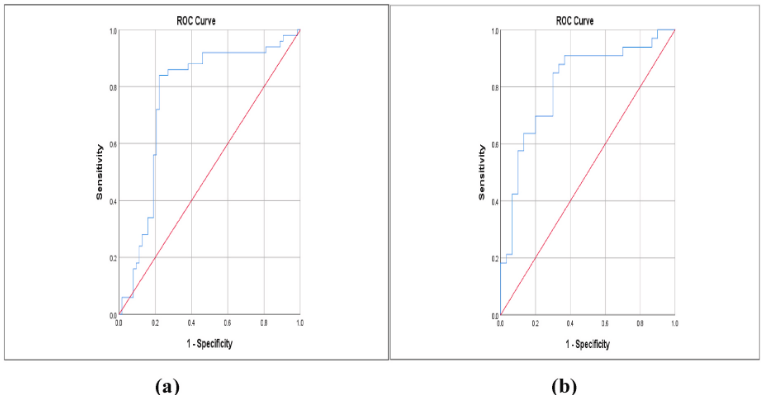
Interestingly, while IFN-γ levels were also different between groups, they did not show a strong direct relationship with miRNA-29a-3p. This means that although both are important, miRNA-29a-3p may be a more consistent indicator for detecting TB at different stages.
Why is this important? Because current TB diagnostic methods often rely on sputum tests or imaging, which can be time-consuming, less accurate in certain cases, or difficult to perform especially in children or patients who cannot produce sputum samples. A blood-based biomarker like miRNA-29a-3p could offer a faster, less invasive, and more accessible alternative.
This innovation is closely linked to Sustainable Development Goal (SDG) 3: Good Health and Well-being. SDG 3 aims to end global epidemics such as tuberculosis by improving prevention, diagnosis, and treatment. Early detection through advanced biomarkers can play a critical role in reducing TB transmission and improving patient outcomes.
In conclusion, the discovery of miRNA-29a-3p as a potential biomarker represents a major step forward in TB diagnosis. While more research is needed before it becomes widely used in clinical practice, this approach offers hope for faster and more accurate detection. By combining modern science with global health efforts, we can move closer to a future where tuberculosis is no longer a major threat to humanity.
Reference:
DOI: 10.1016/j.amsu.2022.104786
Contact:
Prof. Muhammad Nasrum M
+62 811-412-202
nasrumm@unhas.ac.id