


Makassar, Indonesia, March 19, 2026/BIONE/–Fruit flies are among the most important insect pests affecting horticultural crops worldwide. Their infestations can reduce fruit quality, lower market value, and cause significant economic losses for farmers. Understanding which fruit fly species occur in agricultural areas is therefore essential for developing effective and sustainable pest management programs.
A study entitled “Fruit Fly Identification from Fruits and Vegetables of Turikale Maros, South Sulawesi, Indonesia”, published in the Proceedings of the International Conference and the 10th Congress of the Entomological Society of Indonesia (ICCESI) by Atlantis Press on May 18, 2020. Investigated the fruit fly species associated with several fruits and vegetables in Turikale, Maros, South Sulawesi. The research provides valuable baseline information on fruit fly diversity in one of Indonesia’s important horticultural regions.
What Fruit Fly Species Attack Fruits and Vegetables in Maros?
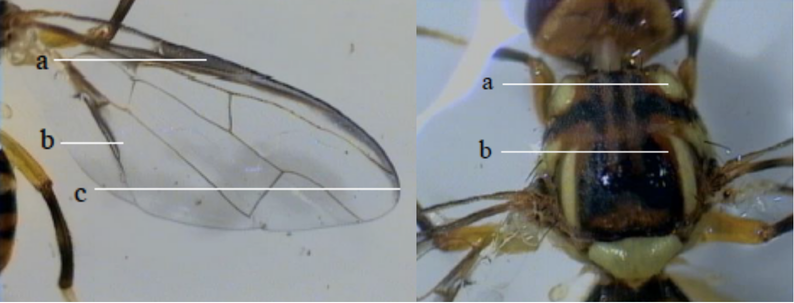
The researchers collected fruit flies from various agricultural commodities and identified them using morphological characteristics. The study revealed the presence of several species belonging to the genus Bactrocera, a group widely recognized as major pests of tropical fruits and vegetables. Species identification was based on distinctive morphological traits, including wing patterns, body coloration, and abdominal markings. These diagnostic features are important because different fruit fly species may vary in their host preferences, distribution patterns, and responses to management strategies.
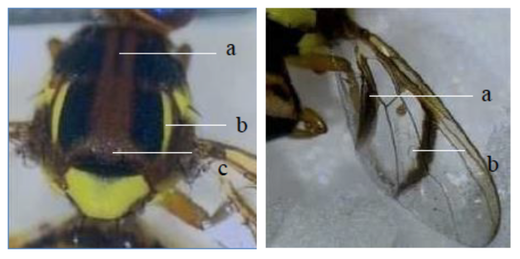
The findings also showed that different fruits and vegetables were associated with different fruit fly species. This suggests that host plant preference plays a significant role in shaping fruit fly communities within agricultural ecosystems. Such information can help farmers and researchers identify commodities that are more vulnerable to infestation and require closer monitoring.
Why Knowing the Species Matters
The real threat posed by fruit flies begins when females lay their eggs inside fruits or vegetables. After hatching, the larvae feed internally on plant tissues, causing damage that often remains hidden until symptoms become visible. Infested commodities may experience tissue breakdown, reduced quality, and lower marketability.
Accurate species identification serves as the foundation for effective pest management. Knowing which fruit fly species are present in a particular area enables researchers and agricultural practitioners to develop appropriate monitoring programs, implement targeted control measures, and reduce unnecessary pesticide applications. As a result, pest management becomes more efficient, economical, and environmentally responsible.
Supporting Sustainable Agriculture
This research supports Sustainable Development Goal (SDG) 2: Zero Hunger by contributing to efforts aimed at reducing crop losses and improving agricultural productivity. Effective pest management helps maintain crop quality and supports food availability for growing populations. The study also aligns with SDG 15: Life on Land, which promotes the sustainable use of terrestrial ecosystems and biodiversity conservation. By improving knowledge of pest diversity and encouraging science-based management approaches, the research contributes to healthier and more resilient agricultural ecosystems.
Looking Ahead
Although fruit flies are small insects, their impact on agricultural production can be substantial. This study demonstrates that understanding species diversity is a crucial first step toward effective pest management. Accurate identification not only helps researchers and farmers respond more effectively to pest problems but also provides important baseline information for future monitoring and integrated pest management programs. Scientific studies such as this strengthen agricultural research while contributing to food security, environmental sustainability, and the long-term resilience of farming systems.
Reference:
DOI: https://doi.org/10.2991/absr.k.200513.016
Contact Info:
Prof. Dr. Ir. Itji Diana Daud, M.S.
+62811445853
itjidianadaud@unhas.ac.id


