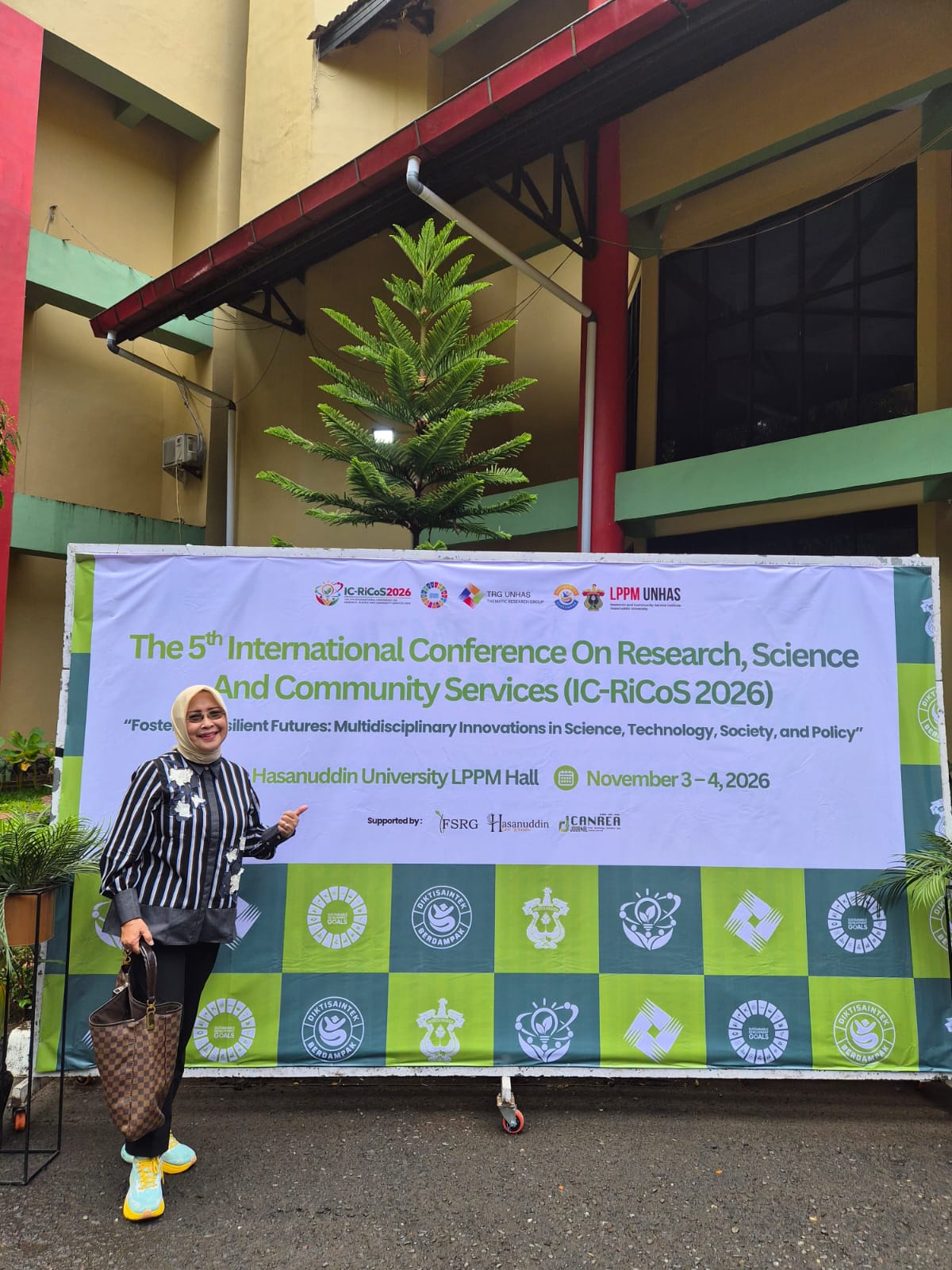

Makassar, Indonesia, November 3, 2026/BIONE/—The Biopesticides and Natural Enemies (BIONE) Research Group participated in the 5th International Conference on Research, Science, and Community Services (IC-RiCos 2026), held at the Research and Community Service Institute (LPPM) Hall, Hasanuddin University, Makassar, Indonesia, on November 3, 2026. The international conference brought together approximately 350 participants and featured speakers from Thailand, Mexico, Indonesia, and Czechoslovakia, providing a platform for scientific exchange, research dissemination, and international collaboration across various disciplines.
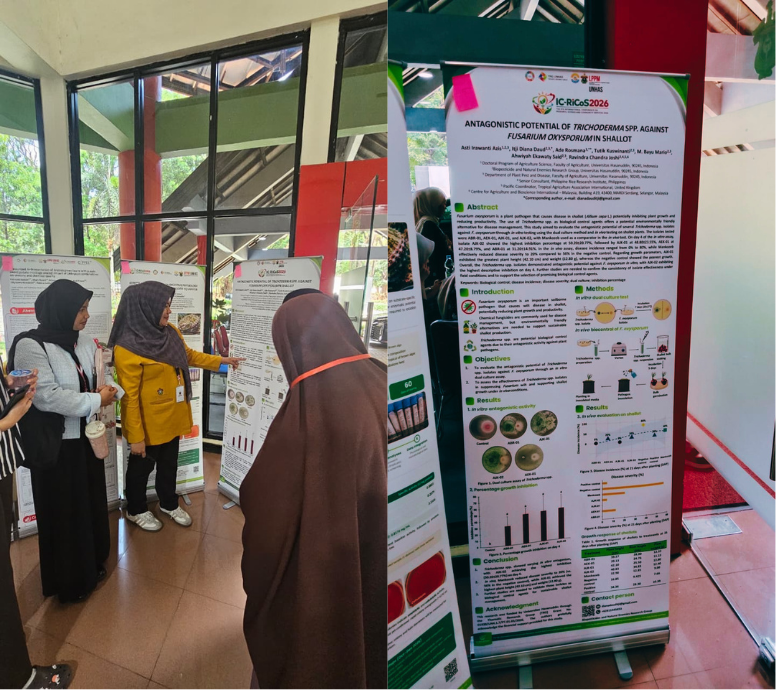
The BIONE Research Group showcased a research poster entitled Antagonistic Potential of Trichoderma spp. Against Fusarium oxysporum in Shallot. The poster highlighted the potential of Trichoderma spp. isolates as biological control agents against F. oxysporum, the fungal pathogen responsible for wilt disease in shallot. The study evaluated the antagonistic activity of different Trichoderma isolates through laboratory and in vivo assessments, contributing to the development of sustainable biological control strategies for shallot disease management. During the poster session, Ahwiyah Ekawaty Said, S.P., M.Si. a member of the BIONE Research Group, explained the research findings and engaged in discussions with conference participants, providing an opportunity to exchange scientific insights and perspectives with fellow researchers and attendees.
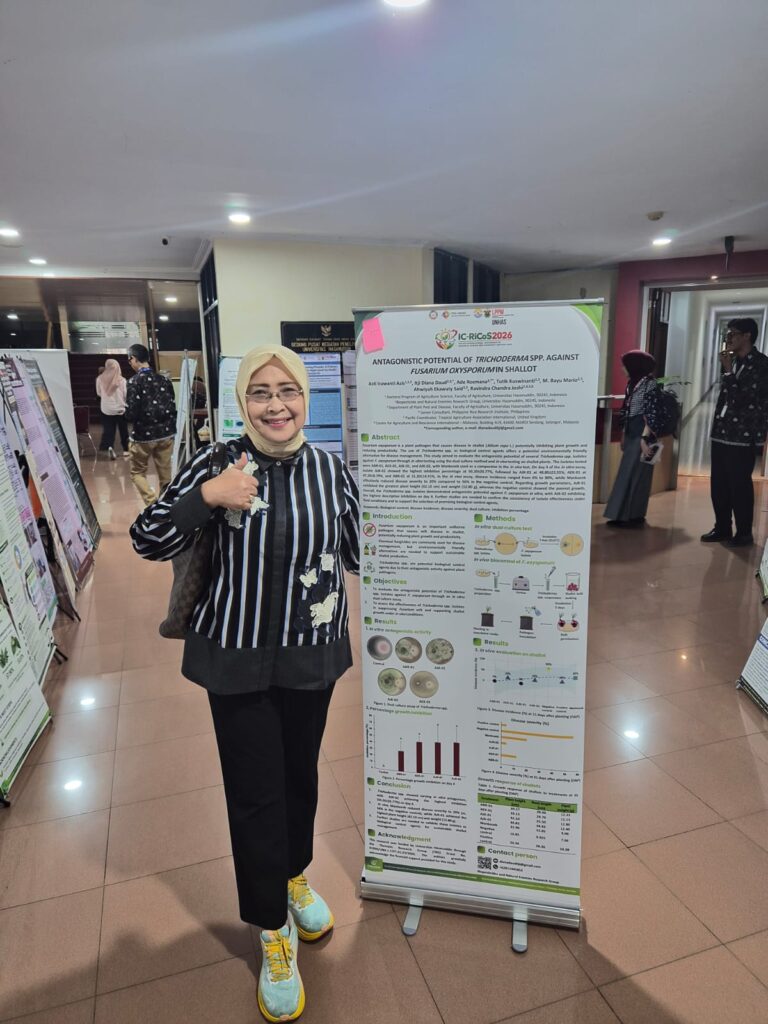
Participation in IC-RiCos 2026 reflects BIONE’s commitment to advancing agricultural research, promoting sustainable crop protection, and supporting the Sustainable Development Goals (SDGs). Research on the potential use of Trichoderma spp. as biological control agents supports SDG 1 (No Poverty) by contributing to crop protection strategies that may help reduce crop losses and support farmers’ livelihoods. It also supports SDG 2 (Zero Hunger) by promoting sustainable agricultural practices and helping maintain crop productivity. The dissemination of research findings through an international academic forum contributes to SDG 4 (Quality Education) by encouraging scientific knowledge exchange and research development. Furthermore, interactions with researchers and participants from different countries reflect SDG 17 (Partnerships for the Goals), highlighting the importance of international collaboration in addressing agricultural challenges.
The participation in IC-RiCos 2026 also provided an opportunity to enhance the visibility of research conducted by the BIONE Research Group at the international level. Through the poster presentation, the team was able to introduce its research on biological control of shallot wilt disease to a broader scientific audience, receive feedback, and engage in discussions on sustainable plant disease management. Such academic engagement is essential for expanding research perspectives, strengthening scientific collaboration, and encouraging the development of environmentally friendly approaches to managing plant diseases.