
Makassar, Indonesia February 10 2026/APHREG. What if a familiar tropical fruit could offer more than a refreshing taste? Passion fruit (Passiflora edulis) is widely known as a nutritious fruit, but scientists are now exploring whether its natural compounds may also support male reproductive health.
A recent study investigated this possibility in male mice. The research, titled “The Potential of Passion Fruit (Passiflora edulis) Extract in Enhancing Reproductive Performance in Mice (Mus musculus),” was published in the International Journal of Agriculture and Biosciences, A Publication of Unique Scientific Publishers, with an online publication date of 10-Feb-26. The study was conducted by researchers from Hasanuddin University and examined whether passion fruit extract could improve several indicators of male reproductive function.
The researchers used 24 adult male mice divided into four groups. One group received no passion fruit extract, while the other groups received 100, 200, or 400 mg of extract per kilogram of body weight each day for 28 days. The researchers then examined sperm quality, testicular characteristics, testosterone levels, and the microscopic structure of the testes.
The results were intriguing because more was not always better.
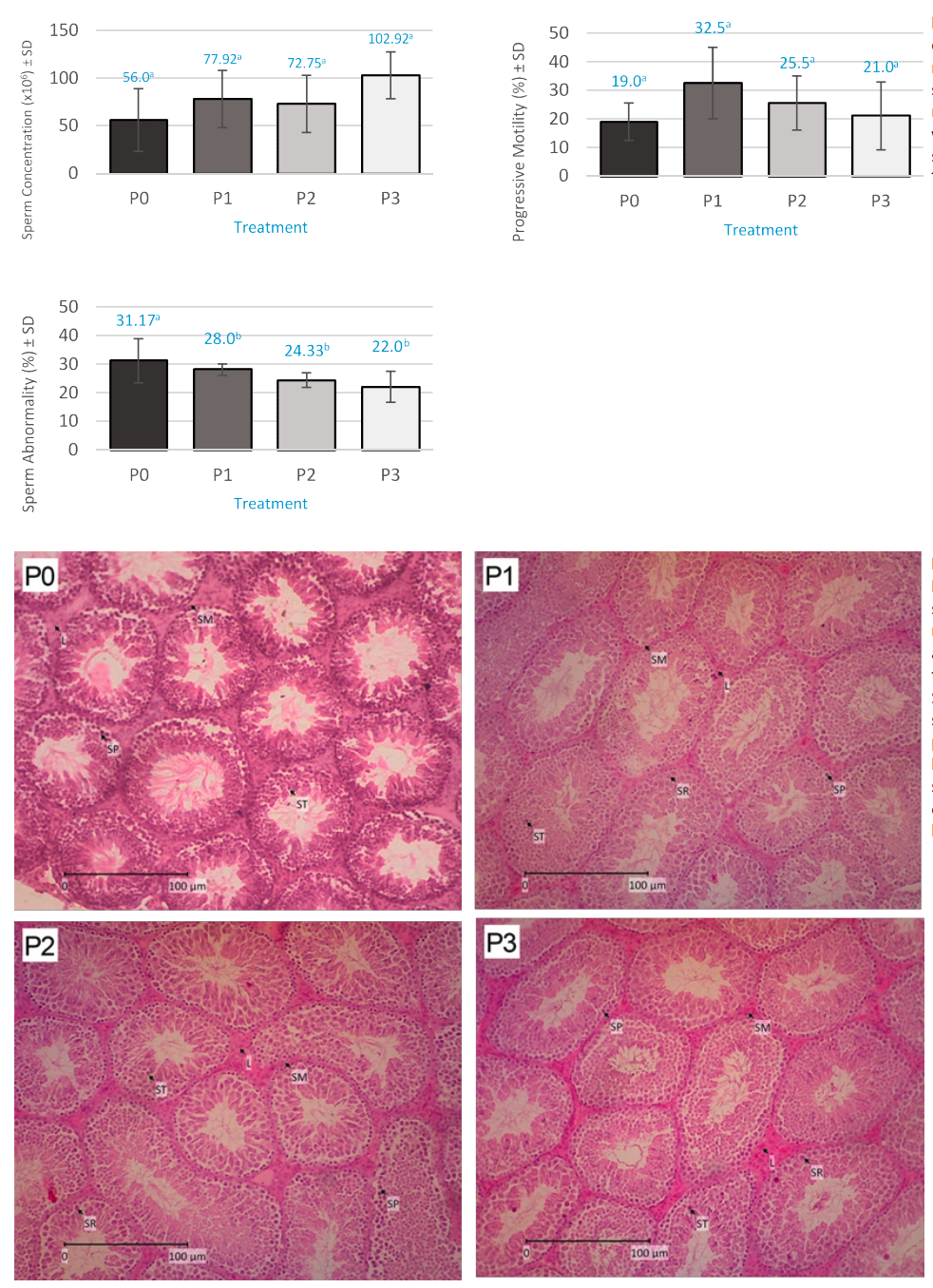
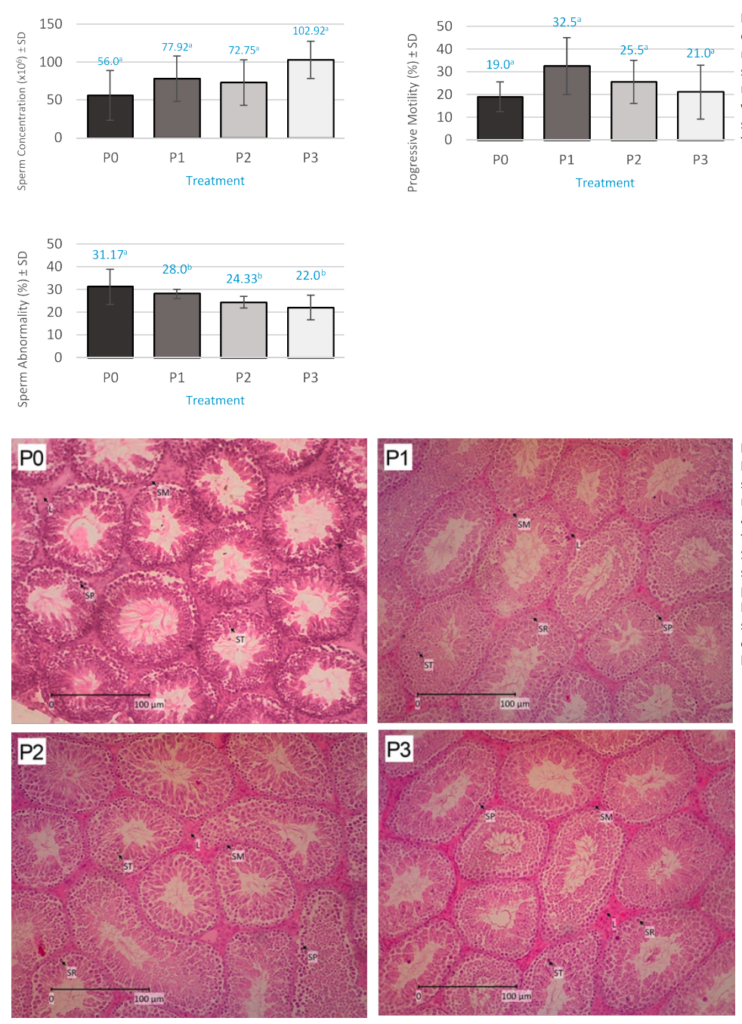
The 100 mg/kg dose produced the strongest improvement in several important measurements. Mice receiving this dose had significantly greater testicular weight, diameter, and volume than some other groups. Their testosterone concentration also reached 2.63 ng/mL, compared with only 0.20 ng/mL in the control group. Sperm motility was highest at the 100 mg/kg dose, reaching 32.50%, compared with 19.00% in the control group.
However, higher doses produced different results. The 400 mg/kg group had the highest sperm concentration, at 102.92 million sperm cells per milliliter, although the difference between groups was not statistically significant. Interestingly, sperm abnormalities were significantly reduced, with the highest-dose group showing 22.00% abnormalities compared with 31.17% in the control group.
Microscopic examination provided another piece of the puzzle. Treated mice generally showed better-organized seminiferous tubules, thicker germinal epithelium, and more mature sperm cells. The researchers suggest that antioxidant compounds in passion fruit—including flavonoids, polyphenols, and vitamin C—may help protect testicular cells from oxidative stress.
The findings illustrate an important scientific principle called hormesis: a substance may produce different biological effects depending on the dose. In this study, testosterone and sperm motility responded most favorably to the lower dose, while some structural and sperm-quality indicators were better at higher doses.
This research supports Sustainable Development Goal (SDG) 3: Good Health and Well-being, particularly through research into reproductive health and potential natural approaches to maintaining physiological function.
Still, these findings should not be interpreted as proof that passion fruit extract can treat infertility in humans. The study was conducted in mice, and further research is needed to determine safety, mechanisms, effective doses, and whether similar effects occur in other animals or humans.
For now, the message is simple: a tropical fruit may contain promising biological compounds, but science—and the right dose—determines how useful they really are.
Reference
DOI: https://doi.org/10.47278/journal.ijab/2026.038
Contact:
Drh. Nur Alif Bahmid
+62 85-396-339-181
aliefbahmid02@gmail.com