


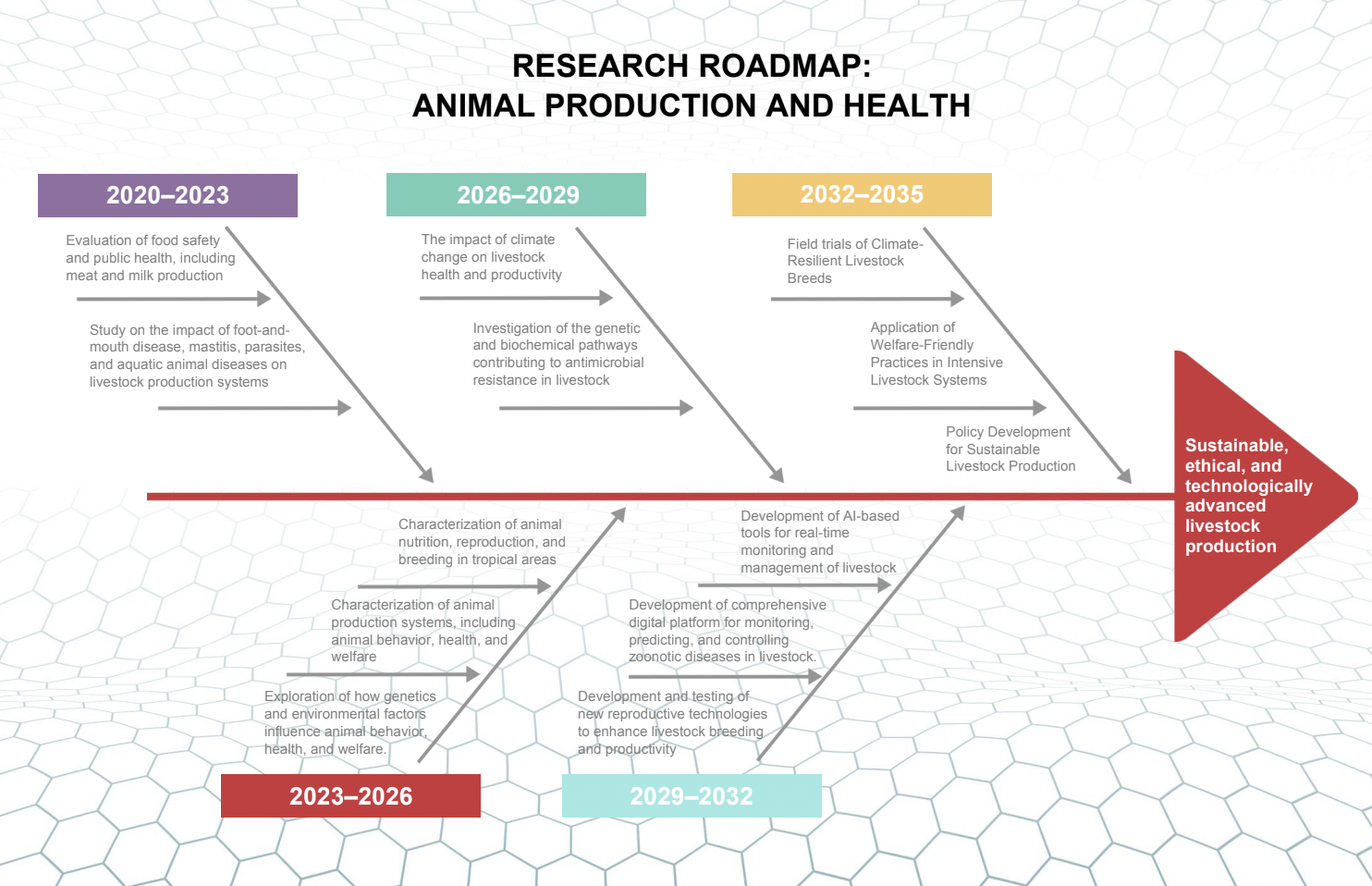
Animal Health and Disease Prevention
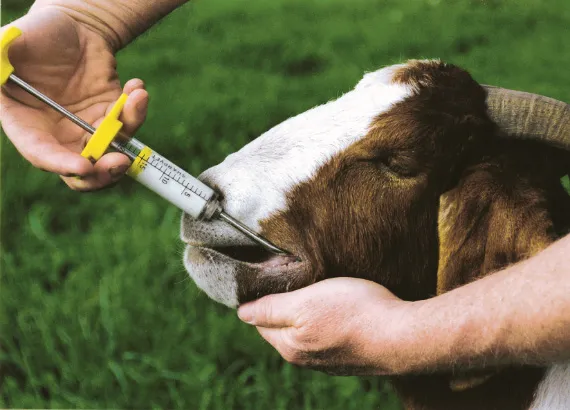
In the context of animal production, which includes the breeding, raising, and management of animals for meat, milk, eggs, fiber, and other products, animal health and disease prevention are critical to ensuring not only the welfare of the animals but also the safety, productivity, and sustainability of the entire agricultural system. Disease outbreaks in production animals can have severe consequences, including reduced productivity, economic losses, and food safety risks.
Animal Welfare and Behavior
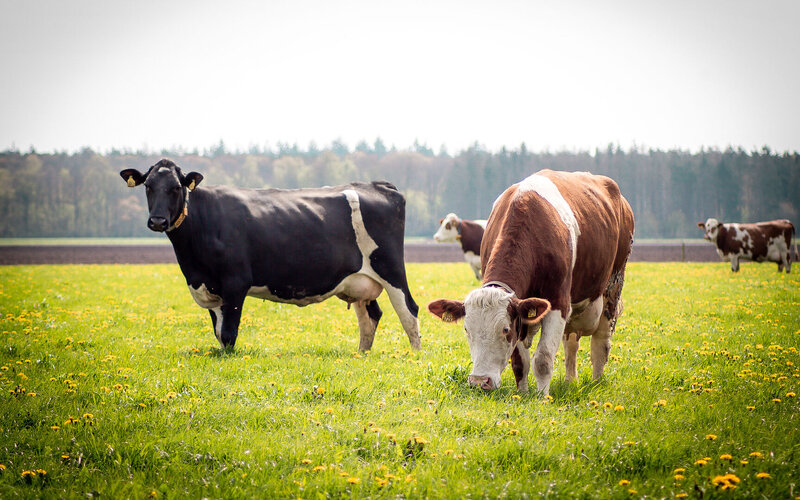
Animal welfare and behavior are deeply intertwined in animal production systems, where ensuring the well-being of animals is critical to both ethical standards and the efficiency of production. Animal welfare refers to the physical and psychological state of animals and their ability to express natural behaviors, while animal behavior encompasses the natural actions, reactions, and interactions of animals with their environment, including other animals and humans. A strong connection between animal welfare and behavior is essential for optimizing the health, productivity, and sustainability of animal production systems, such as livestock farming, dairy farming, poultry production, and aquaculture.
Sustainable Farming Practices
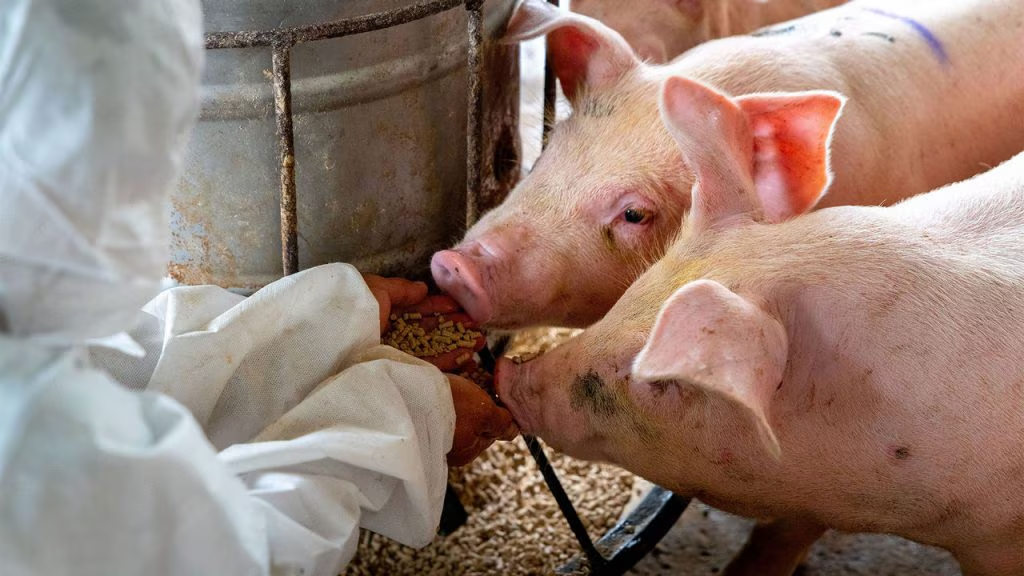
Sustainable farming aims to balance the need for food production with the preservation of environmental health, animal welfare, and social equity. In animal production, sustainable practices directly impact the health of animals, the long-term viability of farming systems, and the well-being of both animals and the environment. As the global demand for animal products grows, integrating sustainability into animal production is essential to ensure food security while mitigating negative environmental and health impacts
Reproductive Physiology and Technology
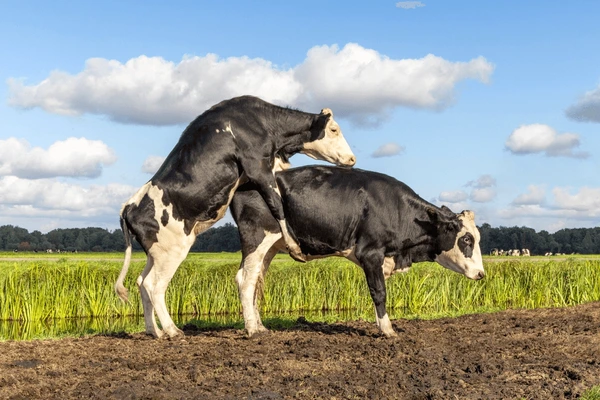
Reproductive physiology refers to the biological processes governing reproduction in animals, including the development, regulation, and functioning of reproductive organs, hormones, and mating behaviors. Reproductive technology encompasses the tools, techniques, and interventions used to manipulate and enhance reproductive processes. Together, these fields play a critical role in animal production and health, enabling the improvement of breeding efficiency, animal welfare, and productivity in livestock and other domesticated species. Understanding and leveraging reproductive physiology and technology can enhance genetic improvement, increase reproductive success, and ensure better health outcomes for both individual animals and entire herds or flocks.
Veterinary Public Health
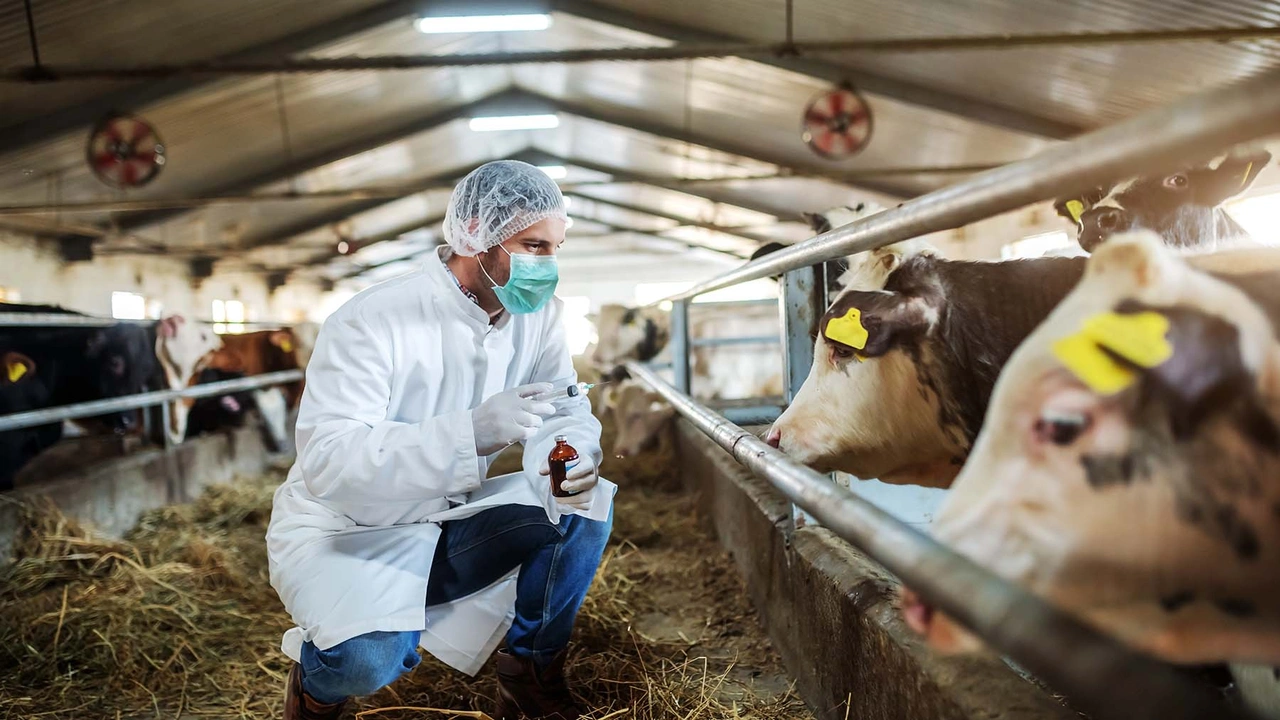
Veterinary public health (VPH) is a multidisciplinary field that links animal health, human health, and the environment. It plays a crucial role in ensuring the health and well-being of animals, protecting human populations from zoonotic diseases, and promoting sustainable animal production systems. The connection between veterinary public health and animal production is increasingly important due to the growing demand for animal-derived food products and the complex interactions between animal health, environmental health, and public health.
Socio-Economic and Policy Research
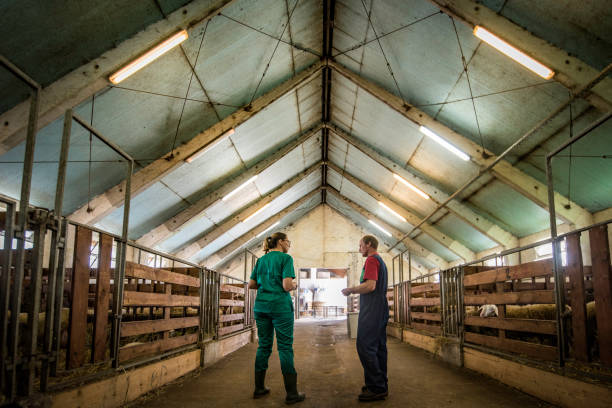
Socio-economic and policy research focuses on understanding the social, economic, and political factors that influence agricultural practices, including animal production, and their implications for public health, animal welfare, and environmental sustainability. This field provides critical insights into how policies, economic incentives, and social dynamics shape the way animals are produced, managed, and cared for, and how these processes impact both animal health and the overall agricultural system. The relationship between socio-economic factors, policy frameworks, and animal production/health is crucial for creating sustainable, efficient, and equitable systems of animal agriculture that benefit both producers and consumers while protecting public health and the environment.
Emerging Technologies in Animal Science
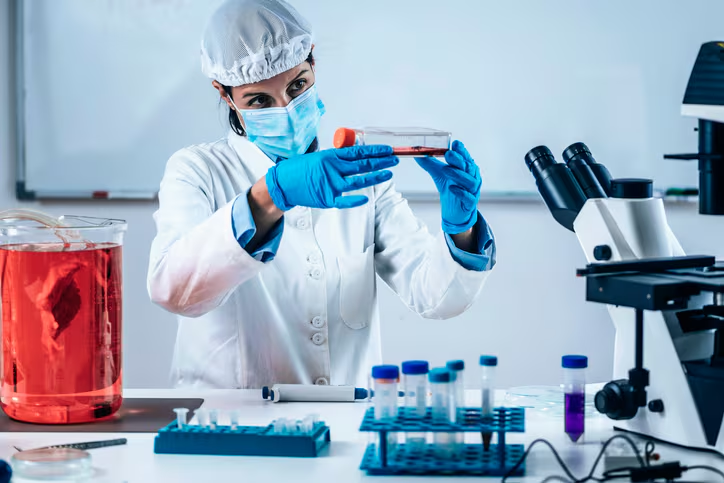
Emerging technologies in animal science have the potential to revolutionize the way animal production systems are managed, enhancing both animal health and the efficiency of production. From genomics to precision farming, advances in technology are providing new tools to monitor, manage, and optimize the health of animals while improving productivity, sustainability, and welfare. These technologies are transforming various aspects of animal agriculture, from breeding and disease management to nutrition and welfare, with significant implications for public health and environmental sustainability.