Makassar, Indonesia April 15 2026/APHREG. Livestock health is closely connected to the lives and livelihoods of farming communities. A disease that quietly affects animals can reduce productivity, increase economic losses, and threaten animal welfare. One of the parasites that deserves attention is Trypanosoma evansi, a blood parasite that can cause a disease known as surra in several animal species.
Surra is particularly important in tropical and subtropical regions, including Indonesia. Infected animals may experience weakness, weight loss, anemia, fever, and reduced productivity. In severe cases, the disease can even lead to death. The challenge is that infected animals do not always show obvious signs, making early detection essential.
A recent study entitled “Prevalence of Trypanosoma evansi in Jeneponto Regency Shows Variation in Detection among Methods” explored the occurrence of this parasite in livestock in Jeneponto Regency, Indonesia. The article was published in the International Journal of Agriculture and Biosciences, a publication of Unique Scientific Publishers, on 15-Apr-26.
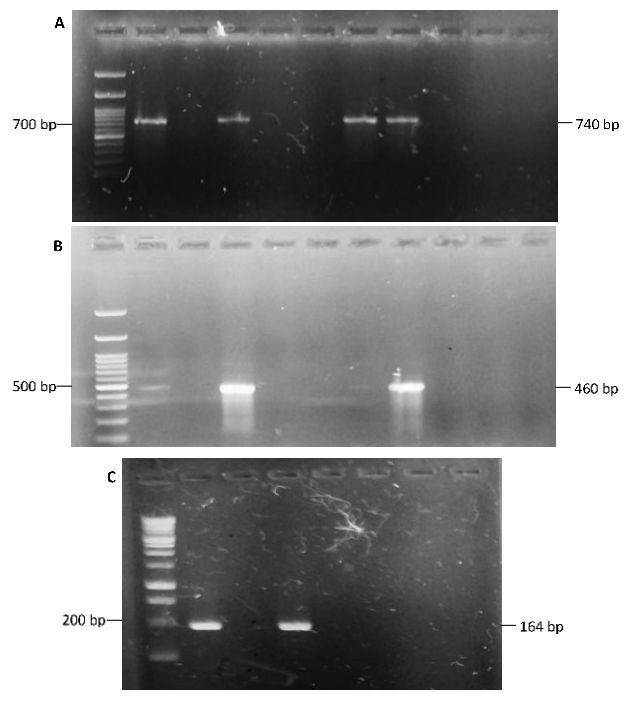
One important message from the study is that the method used to detect T. evansi can influence whether an infection is identified. Different diagnostic approaches may have different levels of ability to detect the parasite, particularly when the number of parasites circulating in an animal’s blood is low. Therefore, a negative result from one method does not necessarily mean that an animal is completely free from infection.
This finding is important for farmers, veterinarians, and animal health authorities. Imagine an infected animal that appears healthy and produces a negative test result. If the infection remains undetected, the parasite may continue circulating within livestock populations. This can make disease control more difficult and potentially increase economic losses for farmers.
The study also highlights a broader lesson: good disease control begins with reliable detection. Combining appropriate diagnostic methods with regular monitoring, proper animal management, and veterinary supervision can improve the chances of identifying infections early.
This research directly supports Sustainable Development Goal (SDG) 3: Good Health and Well-being. Although T. evansi is primarily an animal health concern, protecting animal health contributes to healthier agricultural systems, safer livelihoods, and community well-being. This reflects the One Health perspective, which recognizes that human, animal, and environmental health are closely interconnected.
Ultimately, understanding how T. evansi is detected is more than a laboratory concern. It is a practical step toward healthier livestock, stronger disease surveillance, and more resilient farming communities. Sometimes, protecting animal health starts with finding what cannot be seen.
Reference
DOI: https://doi.org/10.47278/journal.ijab/2026.101
Contact:
Drh. Dwi Kesuma Sari
+62 852-9927-9988
dwiks73@gmail.com