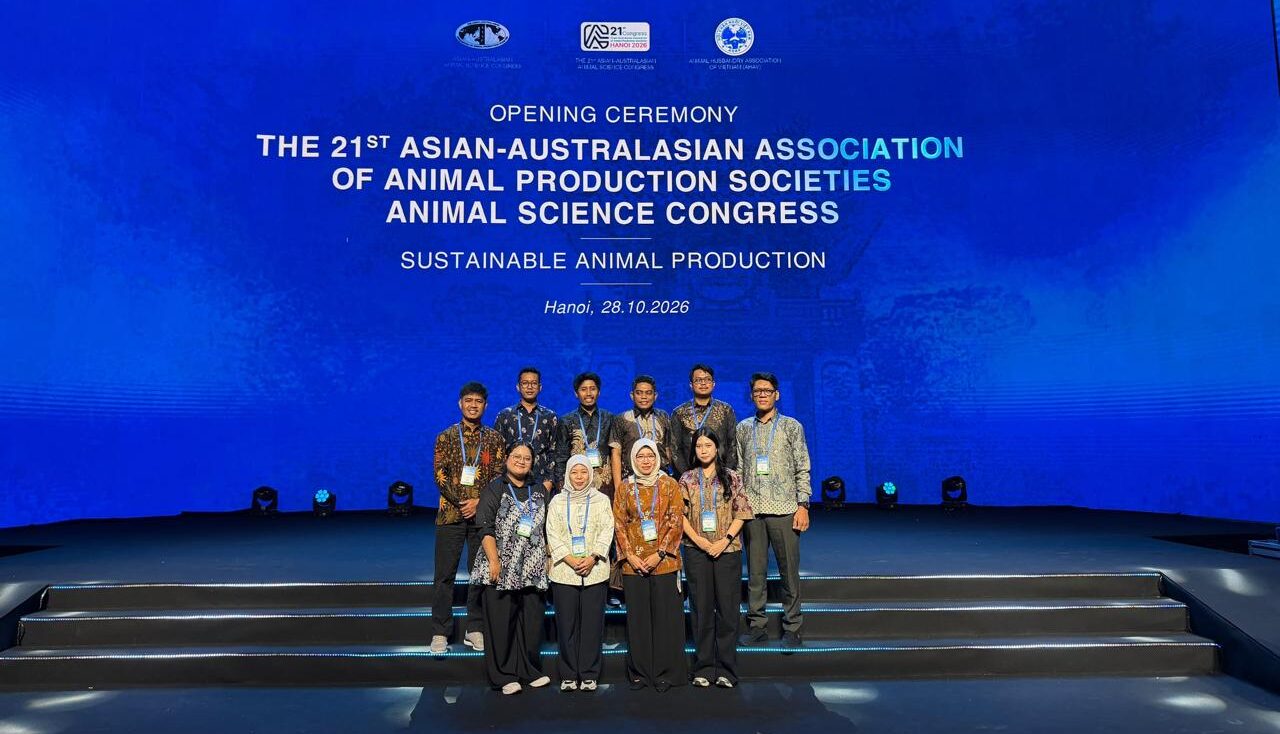

Hanoi, Vietnam 31st October 2026 – The 21st Asian-Australasian Association of Animal Production Societies Animal Science Congress (AAAP 2026) was held from 28 to 31 October 2026 at the National Convention Center in Hanoi, Vietnam. Under the theme “Sustainable Animal Production,” the congress brought together scientists, veterinarians, academics, policymakers, and industry professionals to exchange evidence-based approaches to responsible and resilient animal production.
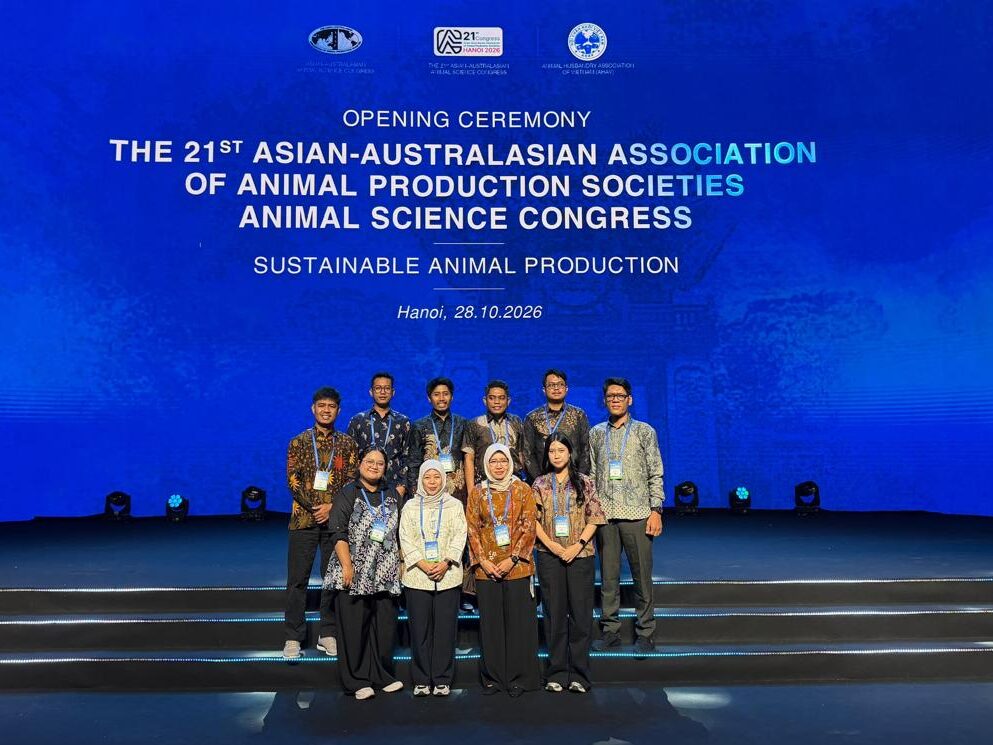
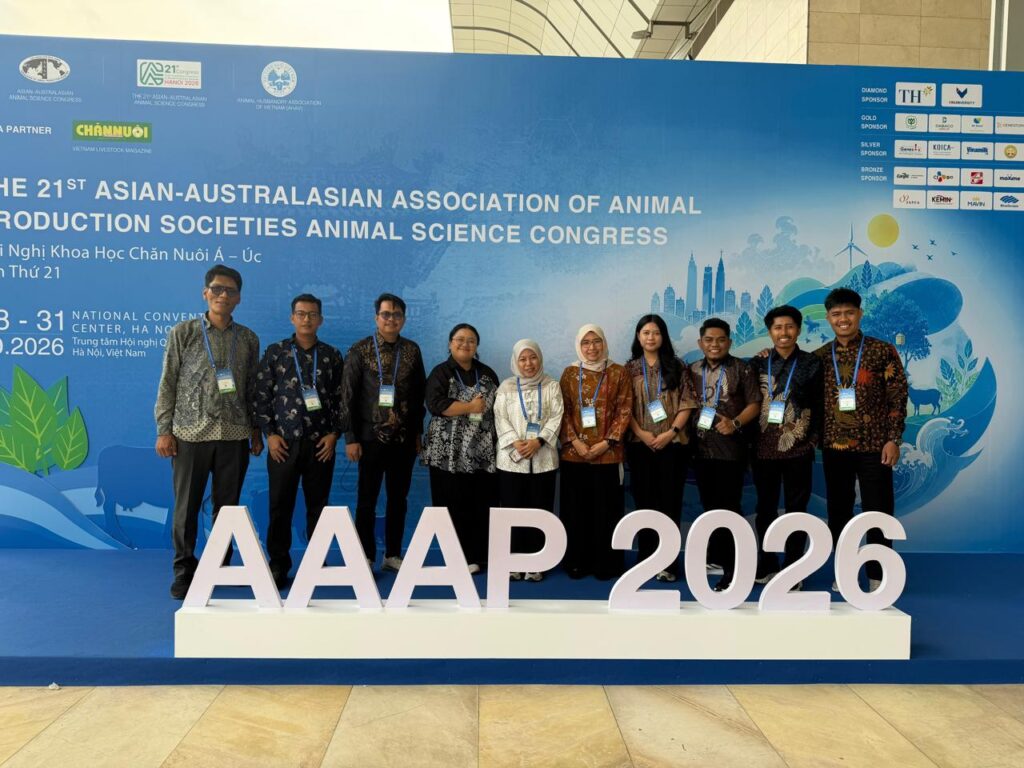
Hosted by the Animal Husbandry Association of Vietnam (AHAV), in collaboration with universities, research institutes, government agencies, industry partners, and international organizations, the congress encouraged interdisciplinary dialogue and regional cooperation. Its scale reflected strong international engagement: 1,697 delegates registered, including 627 international participants representing 45 countries and territories. The scientific program received 1,141 submissions and featured 306 oral presentations and 617 poster presentations.
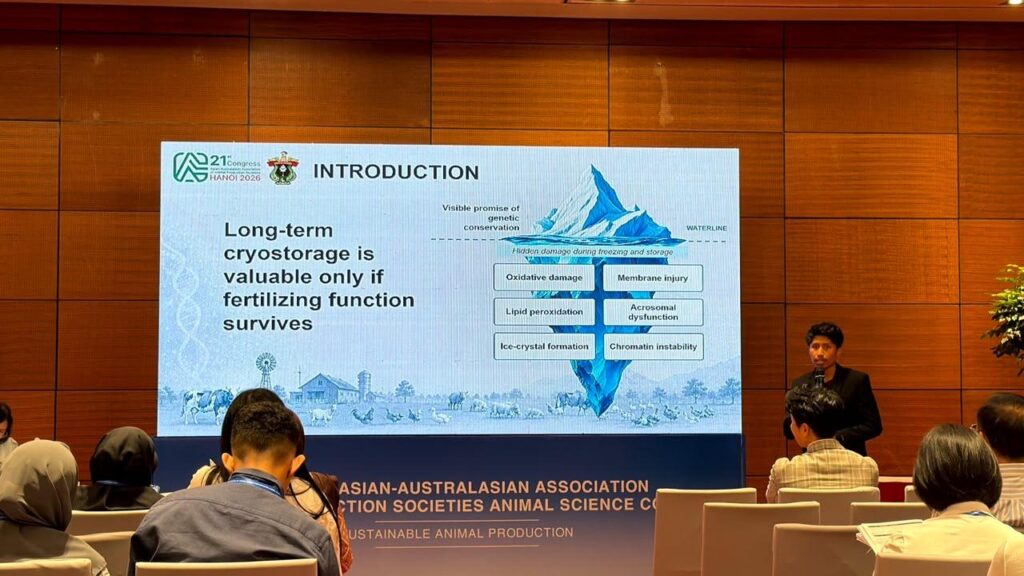
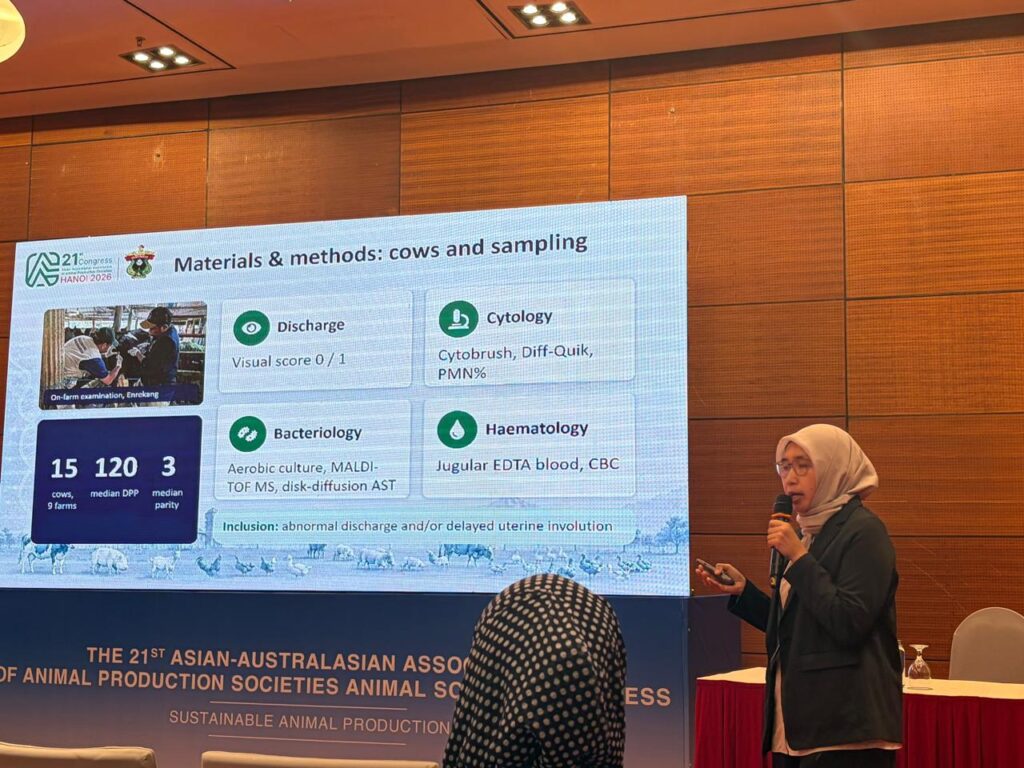
Among the scientific contributions were five oral presentations addressing livestock reproduction, public health and feed technology. Nur Alif Bahmid examined the in vitro fertilization capacity of Friesian Holstein bull spermatozoa cryopreserved for 1 to 25 years, highlighting questions relevant to genetic-resource management. Fika Yuliza Purba presented preliminary clinical, cytological, bacteriological, and fertility-response characteristics of suspected endometritis in dairy cows. Anjani Marisa Kartikasari investigated zoonotic-borne parasites in wild Rattus species in Makassar, Indonesia, emphasizing the importance of disease surveillance at the human–animal interface. Andi Muh Fuad Al Kautsar Walinono evaluated pellet and crumble feed particle-size uniformity in a commercial layer feedmill, while Ichlasul Amal assessed disk-mill performance using corn and fish meal as poultry-feed ingredients.
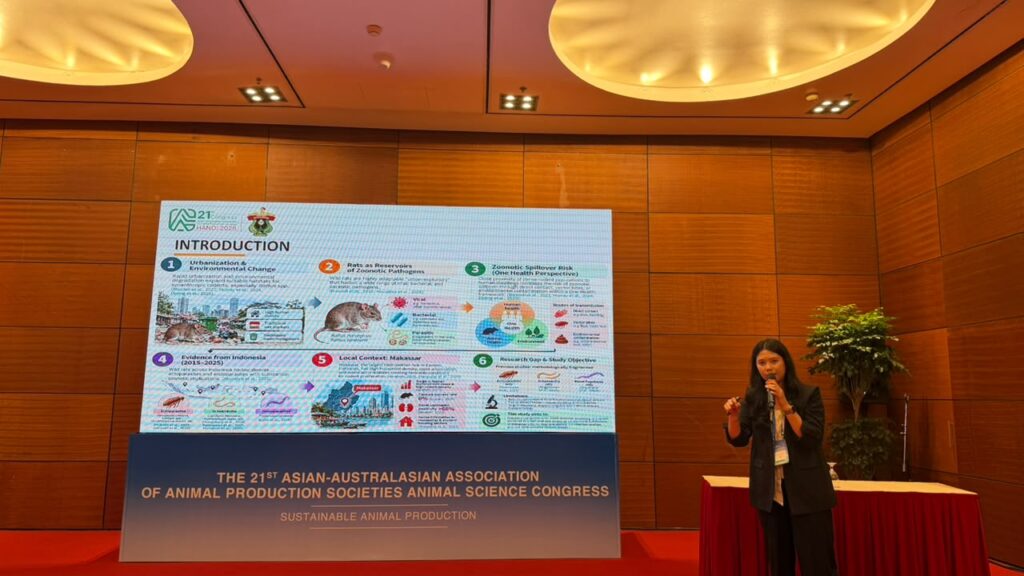
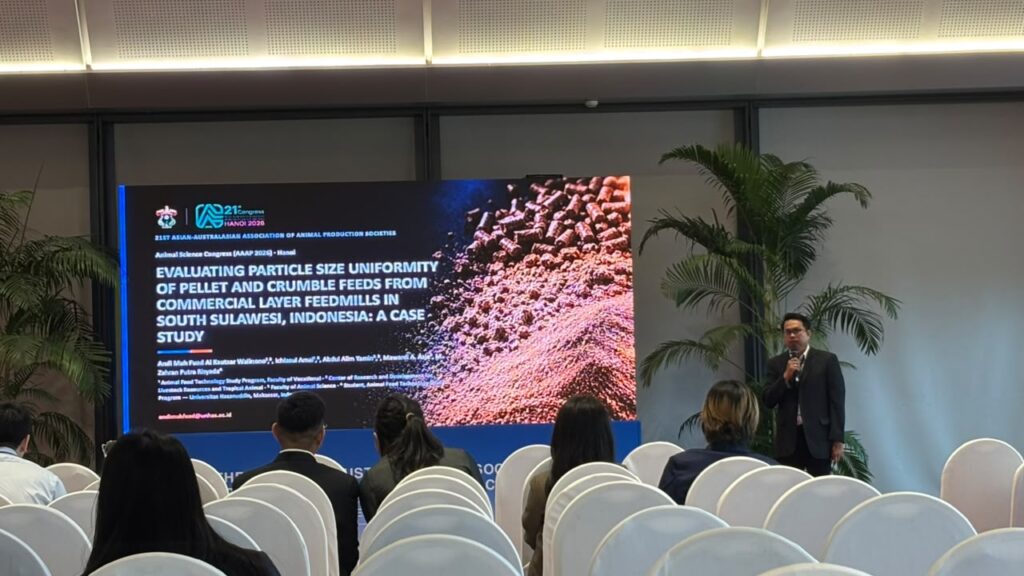
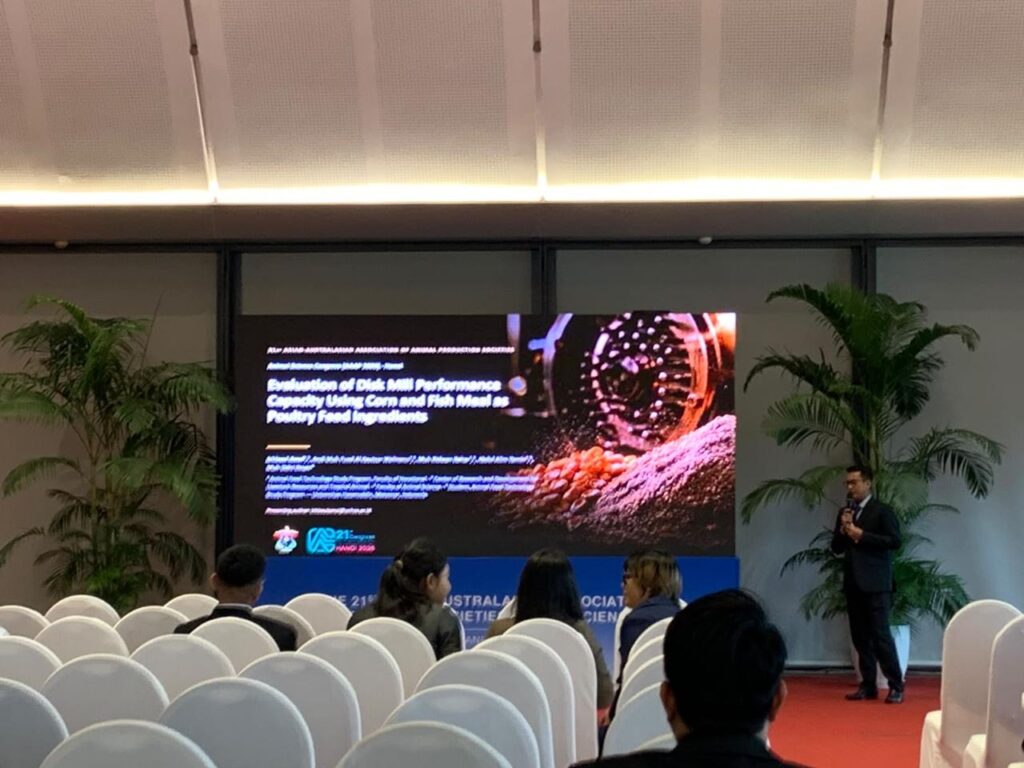
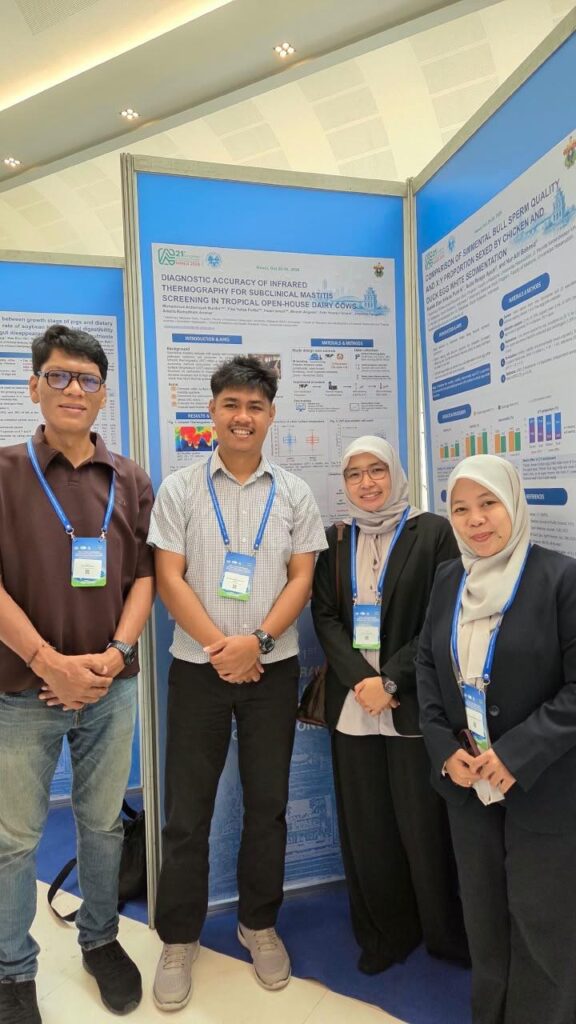
Five poster presentations broadened the discussion across environmental health, animal welfare, and reproduction. Amelia Ramadhani Anshar explored behavioral and brain histopathological biomarkers of styrene exposure in Oryzias celebensis. Muh Ardiansyah Nurdin investigated infrared thermography for detecting subclinical mastitis in tropical dairy cows. Kadek Dian Krisna Putri compared Simmental bull sperm quality and X proportions following sex separation using chicken and duck egg-white sedimentation. Muhammad Muflih Nur analyzed repeat breeding among beef cattle at the farmer level in Balakia Village, Sinjai Regency. Irwan Ismail examined gastrointestinal protozoa and helminths in primates at Citra Satwa Celebes Zoo, South Sulawesi.
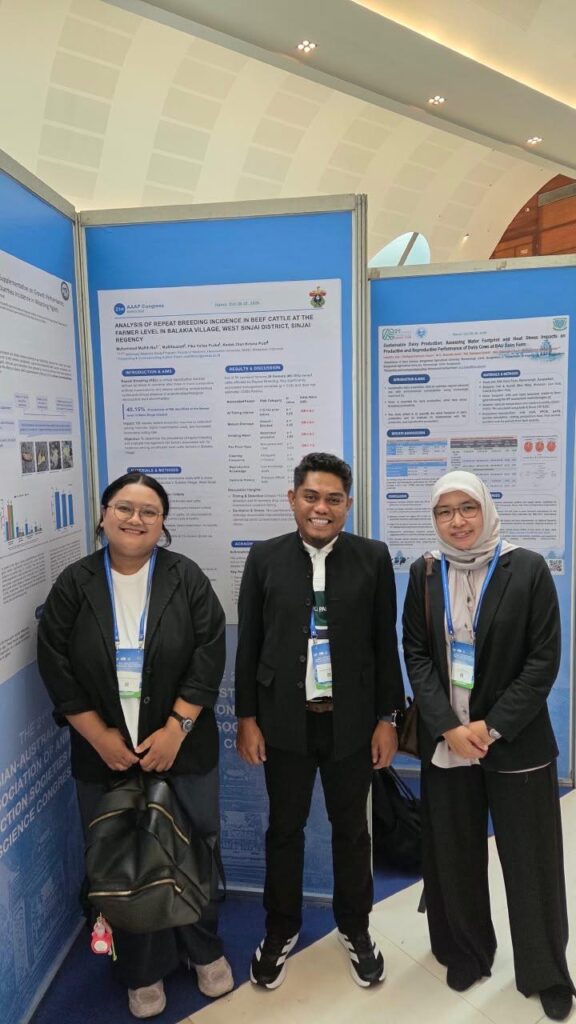
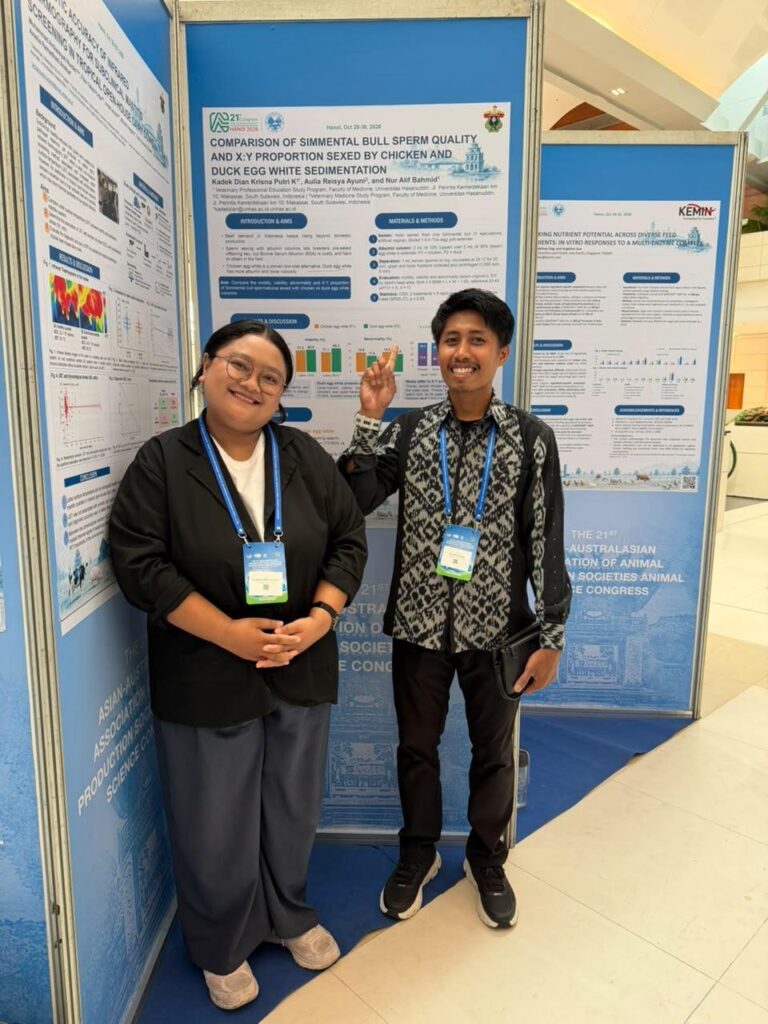
These contributions demonstrate how scientific knowledge can support the United Nations Sustainable Development Goals. Improvements in livestock productivity and reproductive efficiency contribute to SDG 1 (No Poverty) by potentially strengthening farmers’ livelihoods. Research dissemination, critical discussion, and learning opportunities advance SDG 4 (Quality Education). Cross-border scientific exchange and institutional cooperation directly reinforce SDG 17 (Partnerships for the Goals). Investigations of zoonotic disease and animal health also support SDG 3 (Good Health and Well-being), while aquatic pollution research relates to SDG 14 (Life Below Water).
Beyond presenting research, AAAP 2026 strengthened connections between scientific discovery and practical solutions for sustainable agriculture. Participants looked ahead to the 22nd AAAP Congress, scheduled for Bangkok, Thailand, in 2028, with renewed opportunities for collaboration and knowledge exchange.