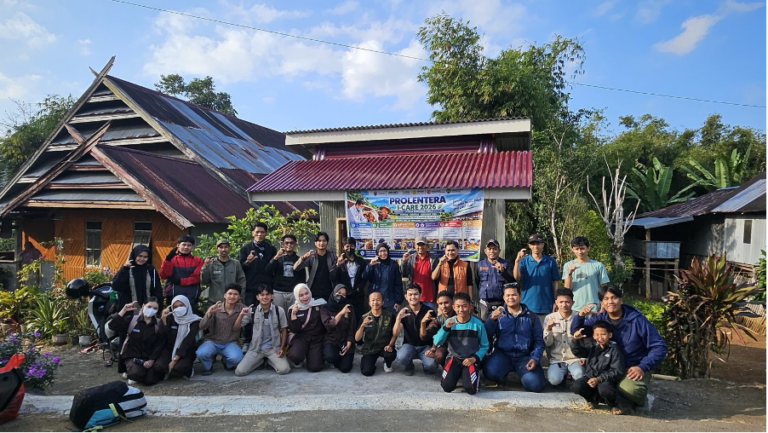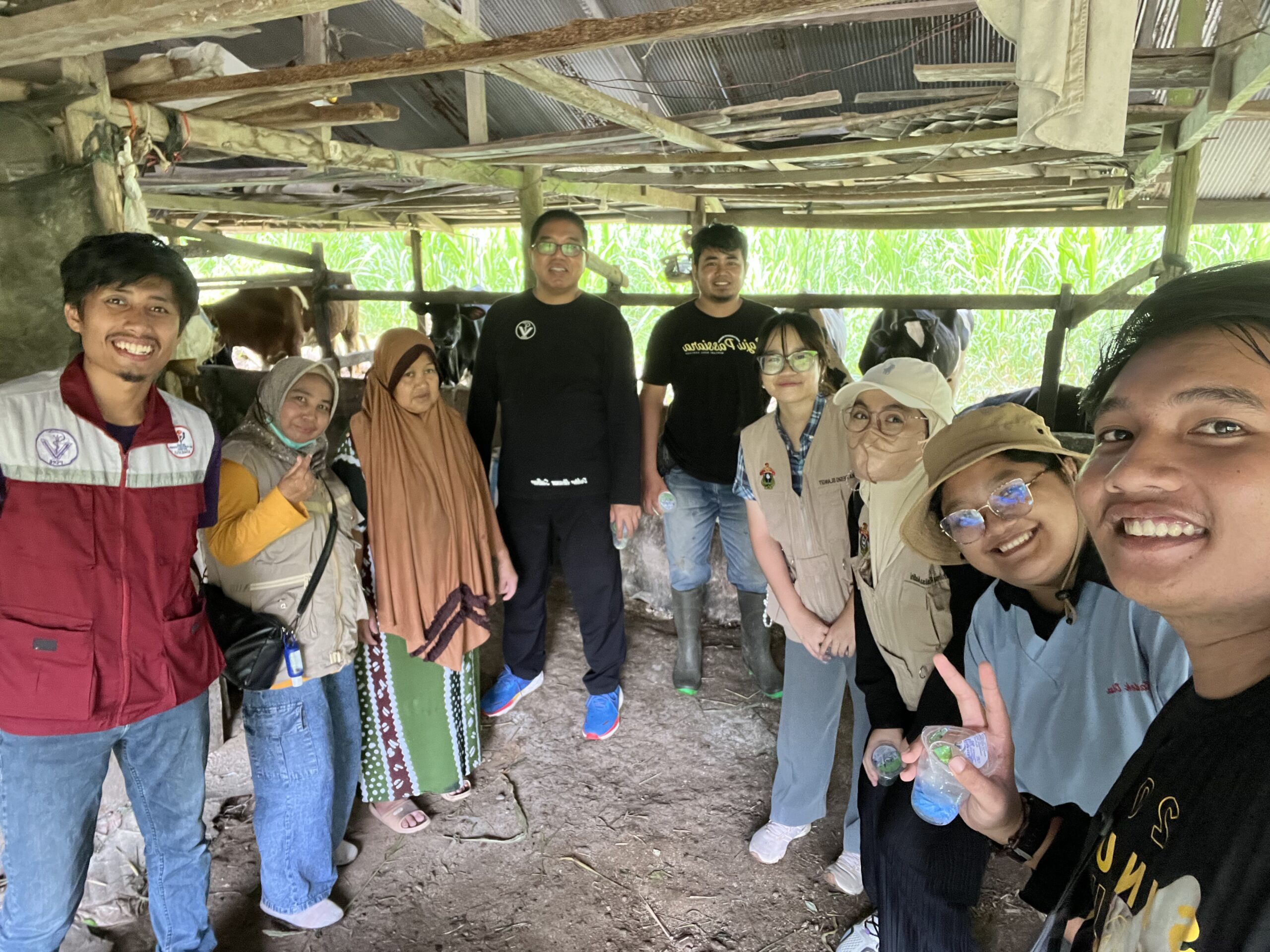

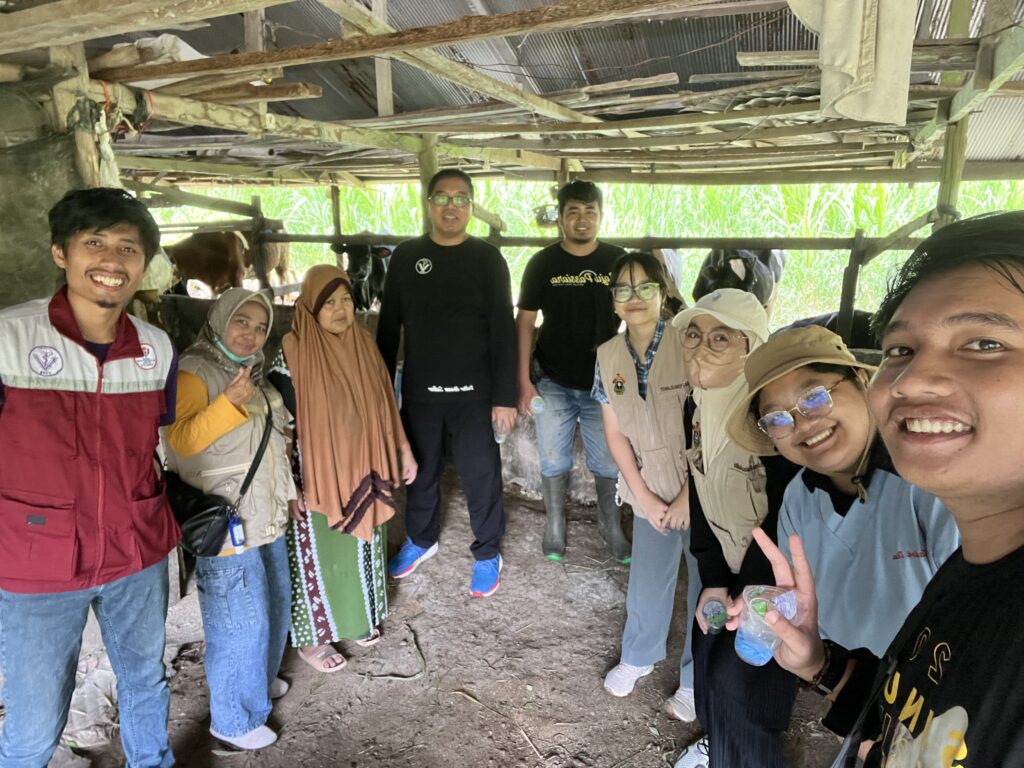
Enrekang, July 5, 2025 – An academic and field-based research activity entitled “Observation of Repeat Breeding in Dairy Cows in Cendana District, Enrekang Regency, South Sulawesi, Indonesia” was conducted in Cendana District, Enrekang Regency, South Sulawesi. The activity involved 18 participants and aimed to examine the prevalence and possible risk factors associated with repeat breeding in dairy cows, an important reproductive problem that can reduce the efficiency and sustainability of smallholder dairy farming.
Repeat breeding refers to a condition in which a cow shows a normal reproductive cycle but repeatedly fails to become pregnant after several insemination attempts. This condition can lengthen the interval between calvings, increase artificial insemination costs, and reduce milk production, creating additional economic pressure for farmers. The scientific study underlying this activity reported that repeat breeding represented a substantial reproductive challenge in Cendana, with a prevalence of 28.8% at the individual cow level and 60.4% at the farmer level.
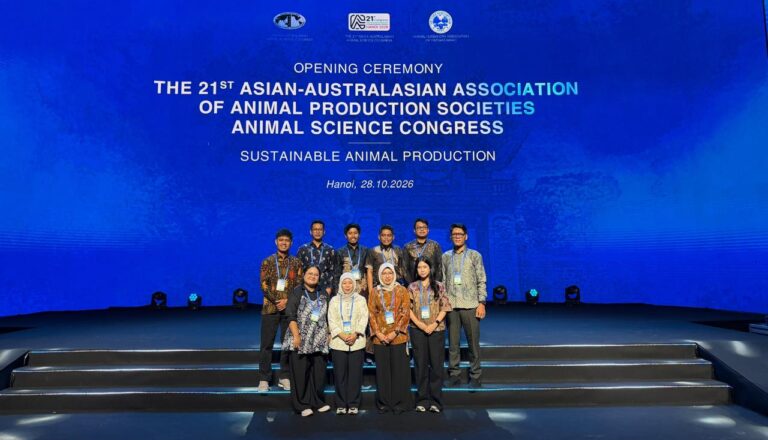
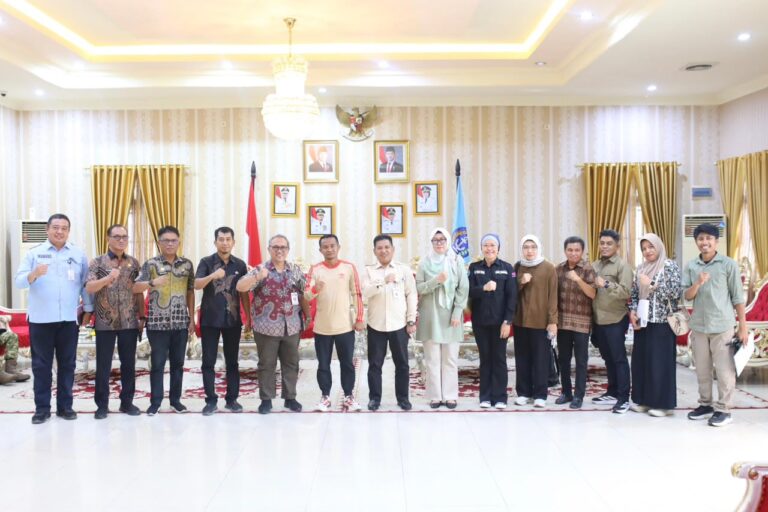
The activity brought together students and international collaborators to strengthen both scientific learning and cross-country academic engagement. The participating students included Kalvin N. Pongkapadang, Amrin Amrin, Subaedy Yusuf, and several undergraduate students, while the international partners involved were Erick Vitus Gabriel Komba and John King N. Layos. Their participation reflected the value of collaborative approaches in addressing livestock health challenges through research, knowledge exchange, and international academic partnerships.
The activity focused on understanding reproductive performance at the farm level and identifying factors that may increase the likelihood of repeat breeding. The related scientific findings showed that low milk yield, smaller herd size, and a previous history of reproductive disorders were significantly associated with repeat breeding. Cows producing less than 10 liters of milk per day had considerably higher odds of experiencing repeat breeding, while cows with a history of reproductive disorders were also at greater risk.
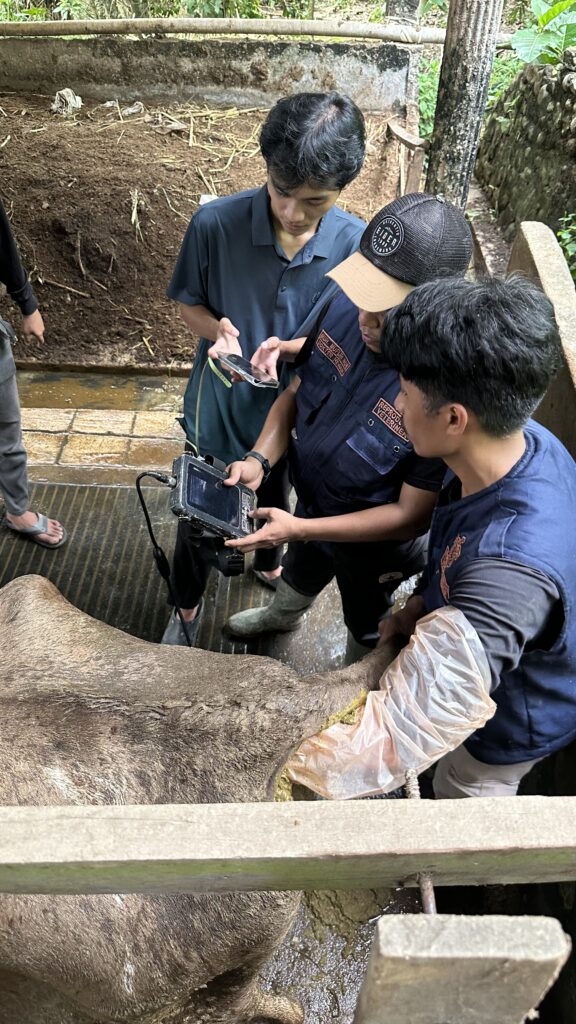
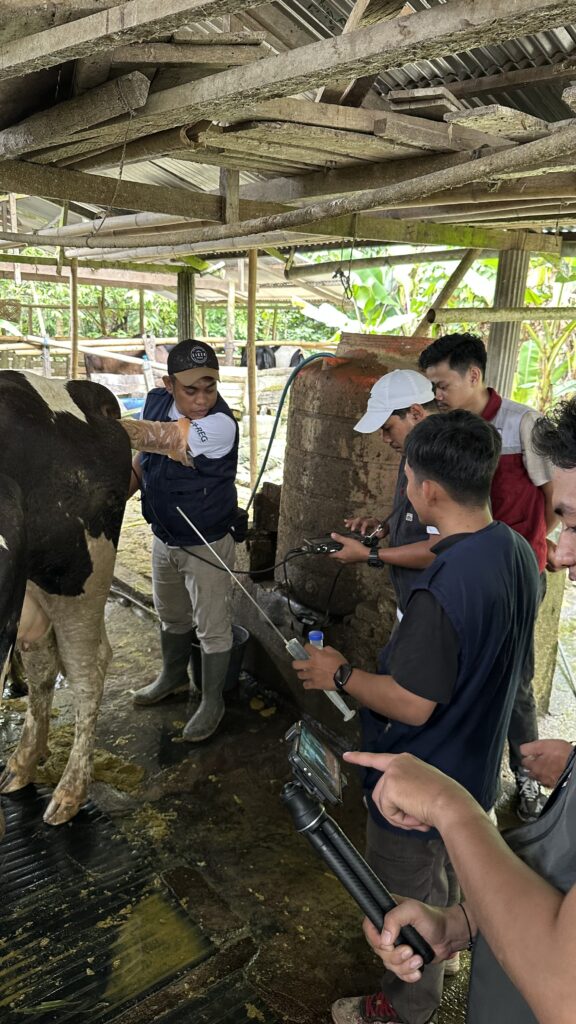
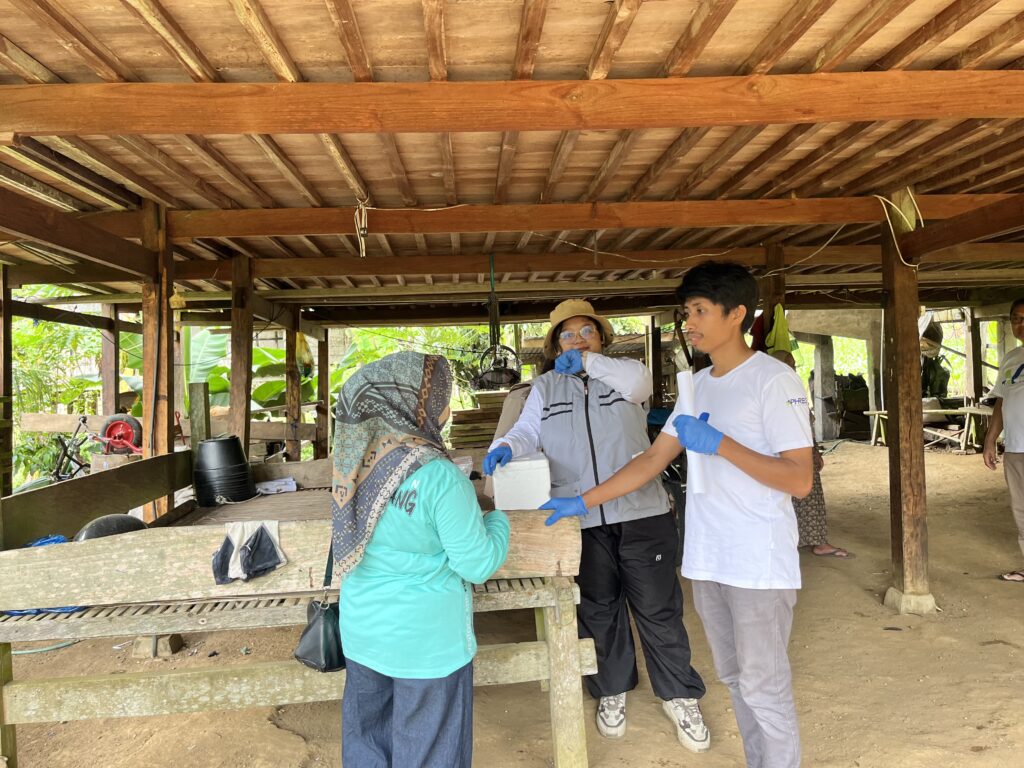
This activity directly supports Sustainable Development Goal 1 (SDG 1): No Poverty, because reproductive failure can reduce farmers’ income through higher breeding costs, delayed pregnancies, and lower productivity. Improving reproductive efficiency can therefore help protect the economic resilience of smallholder dairy-farming households.
It also contributes to Sustainable Development Goal 4 (SDG 4): Quality Education by providing students with practical experience in veterinary research, field observation, data interpretation, and communication with farming communities. Learning outside the classroom enables students to connect scientific knowledge with real agricultural challenges.
Finally, the involvement of international partners demonstrates a clear connection with Sustainable Development Goal 17 (SDG 17): Partnerships for the Goals. Collaboration among students, researchers, farmers, universities, and international partners strengthens the exchange of knowledge and creates opportunities for more effective solutions to livestock reproductive problems.
Through this activity, reproductive health research becomes more than an academic exercise—it becomes a practical contribution to farmer welfare, education, international collaboration, and sustainable dairy development.