
Makassar, Indonesia June 28 2026/APHREG. A cow does not always need to look sick to be unwell. In smallholder dairy farms, some of the most important health problems can remain hidden, quietly reducing milk production, increasing costs, and putting pressure on farmers’ livelihoods.
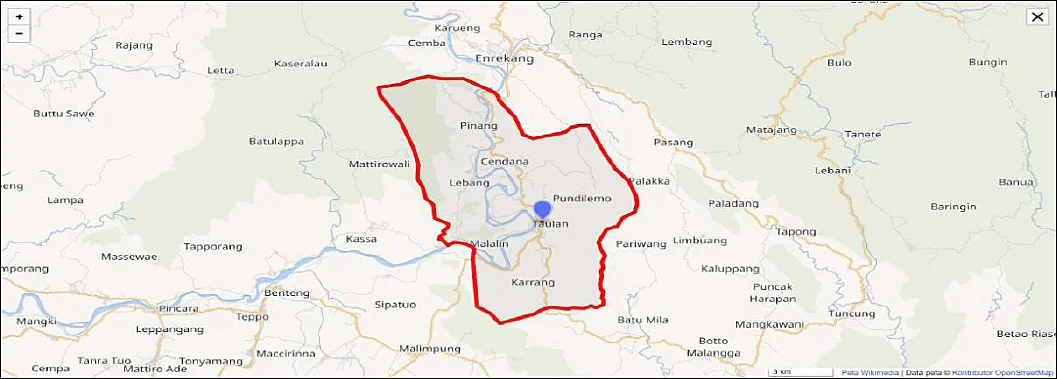
This message comes from a recent study in Enrekang Regency, South Sulawesi. The article, “Multi-pathogen epidemiological survey of subclinical mastitis, gastrointestinal parasitism, and zoonotic diseases in smallholder dairy cattle in South Sulawesi, Indonesia,” was published in Veterinary World, the journal and publisher, on 28 June 2026. The study was led by Fika Yuliza Purba and colleagues and provides one of the first integrated surveys of several important cattle health problems in the area.
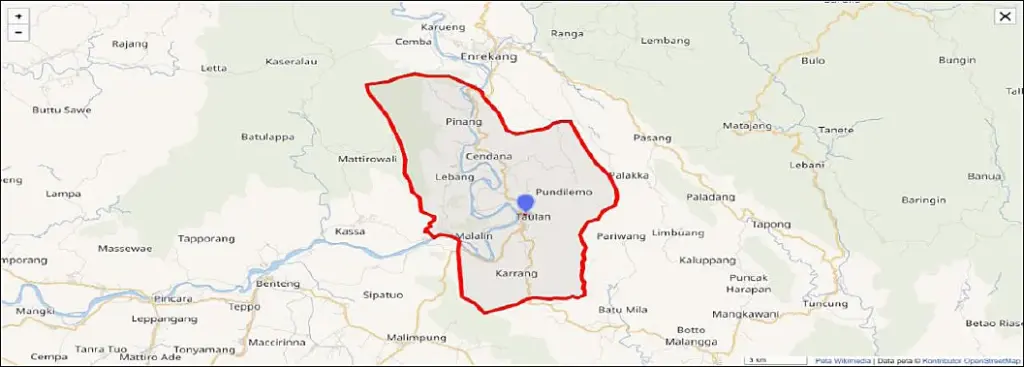
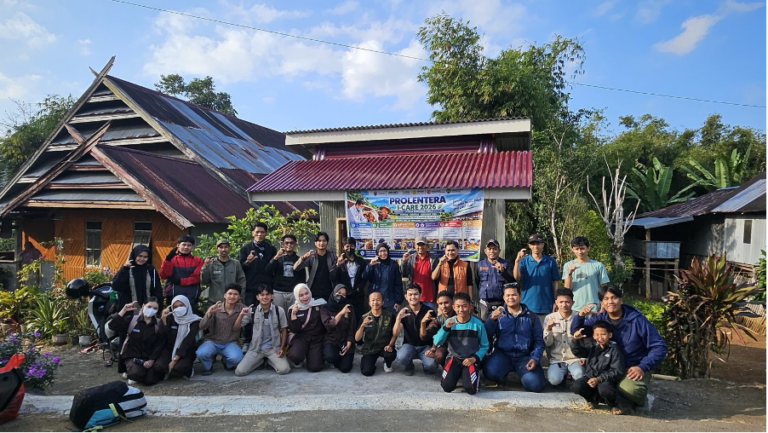
Researchers visited 29 smallholder farms and examined 94 dairy cattle. They looked for three major groups of problems: subclinical mastitis, gastrointestinal parasites, and two zoonotic diseases—bovine tuberculosis and brucellosis.
The most striking finding was not a dramatic outbreak, but diseases that can easily go unnoticed. Subclinical mastitis affected 75.34% of lactating cows and was found in 86.21% of the farms. Unlike clinical mastitis, the udder may show no obvious signs, yet milk production and quality can decline. The study identified bacteria commonly associated with mastitis, including Streptococcus uberis, Streptococcus agalactiae, and Staphylococcus aureus.
Parasites were also widespread. Overall, 75.53% of the cattle had gastrointestinal parasites. Strongyle-type parasites were the most frequently detected, followed by Strongyloides spp., Eimeria spp., and Fasciola spp. Even more concerning from a productivity perspective, 56.16% of lactating cows experienced both mastitis and parasitism.
There was also encouraging news. All 90 cattle tested for bovine tuberculosis and brucellosis were negative in the study. However, the authors appropriately note that negative screening results do not completely rule out low-level infection.
Why does this matter beyond the cowshed? For a smallholder farmer, every reduction in milk production can translate into less income. Repeated treatment, veterinary expenses, and poor animal performance can gradually weaken household finances. Preventing disease is therefore not only an animal-health issue—it is also an economic strategy.
This is closely connected to SDG 1: No Poverty. Healthy dairy cattle can support more stable milk production, protect household income, and strengthen rural livelihoods. Practical measures such as cleaner milking routines, better housing sanitation, proper manure management, and strategic parasite control can make a meaningful difference.
The study, identified by DOI 10.14202/vetworld.2026.2619-2633, offers a simple but powerful lesson for everyone: protecting farmers’ livelihoods can begin with protecting the health of the animals that support them. In smallholder dairy farming, disease surveillance is not merely about finding sick cows. It is about keeping families, farms, and local food systems more resilient.
Reference
DOI:
10.14202/vetworld.2026.2619-2633
Contact:
Drh. FIka Yuliza Purba
+62 812-6388-348
fikapurba@med.unhas.ac.id